
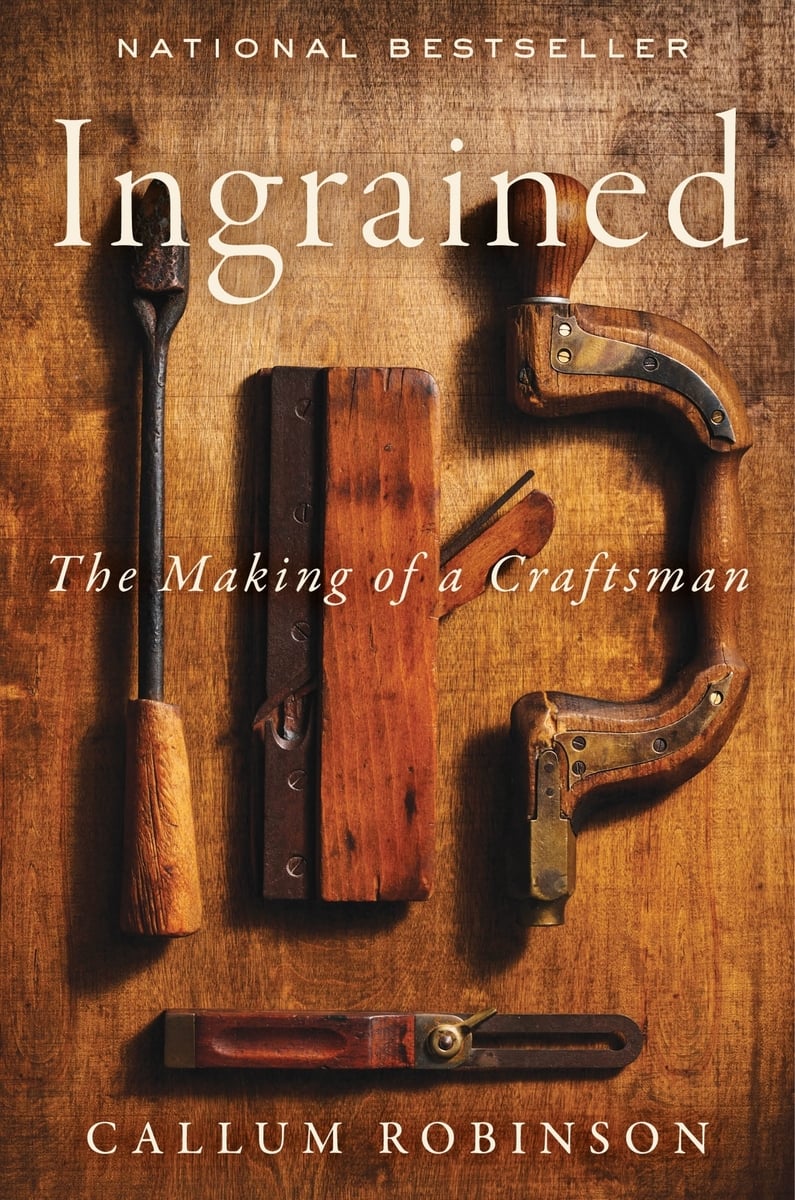
If you have last-minute holiday shopping to do and would like to give a fine memoir as a gift, I have a suggestion.
I spotted Ingrained: The Making of a Craftsman by Callum Robinson in a local bookstore and thought that my son’s partner, who is an amateur furniture-maker, might like it. Of course, I decided to sample a chapter. Two days later, I’d finished the memoir, having enjoyed a kind of bliss through the entire reading.
This is a superb, deeply personal book that is also suspenseful, sensual, poetic, and universal. I could smell the cedar, pine, and oak as I read. Makers will love this story, but I don’t think you have to be a maker to respond deeply to this nature-based memoir.
The neat flat-cut edge of its end-grain revealing the gently arcing lines of the tree’s growth rings. Dark reddish brown, like burnt umber or strong tea…It is a broad piece of one-inch elm…Fine close grain tumbles down the board’s length. And a tracery of spectral green streaks across it, like the northern lights.”
Callum Robinson, Ingrained
The workshop owned by master woodworker Callum and his wife, landscape architect and designer Marisa, is about to go under, thanks to the cancellation of a substantial corporate project. Already leveraged to the hilt, the relatively young business faces imminent bankruptcy.
They must change direction, and fast.
Chapter by chapter, the story expands to reveal Callum and Marisa’s world: the devoted young craftsmen who work for them; Callum’s father, also a master woodworker, who jumps in to help set the business in a new direction; the small Scottish town of Linlithgow, where their little studio and workshop reside; the beautiful Scottish forests that supply much of the timber from which their furniture is made; and the customers who eventually browse their shop and can’t resist the furniture they see.
And with its flowing organic transitions, to me the grand elm table feels more like a sculpture than a piece of furniture. To one edge of its mighty top, among the swirling purples, reds, and greens, there remains just the tiniest taste of the tree’s true form. A handbreadth of live edge and finely sanded bark, still visible in the straight, sharp, otherwise regimented lines. A perfect imperfection – a signature – like the crimped pie crust or the fingerprint in the clay.
Callum Robinson
Callum Robinson seamlessly blends the past and present as he tells of his own coming-of-age and how he found his life’s work. His story is relevant to anyone concerned with living in a deeply authentic, meaningful way. You will be rooting for these singular people who design and make furniture of great beauty that will be loved and handed down through the ages.
This is a celebration of the human-designed and handmade. Callum approaches crafting fine furniture from some of the world’s most beautiful trees as if it were pure poetry. His writing is the same.
I look forward to reading more of him.
Nostalgia is a powerful thing. An ethereal link. An ache for something long ago, something that might never really have existed. No other material I know can hold it, or radiate it, quite the way that wood can. And almost nothing made from wood will ever have as many stories locked inside as a family table. Used so often it’s almost invisible, passed down through the generations, scarred by the lives and ingrained with the memories of all those who gathered around it.
Callum Robinson

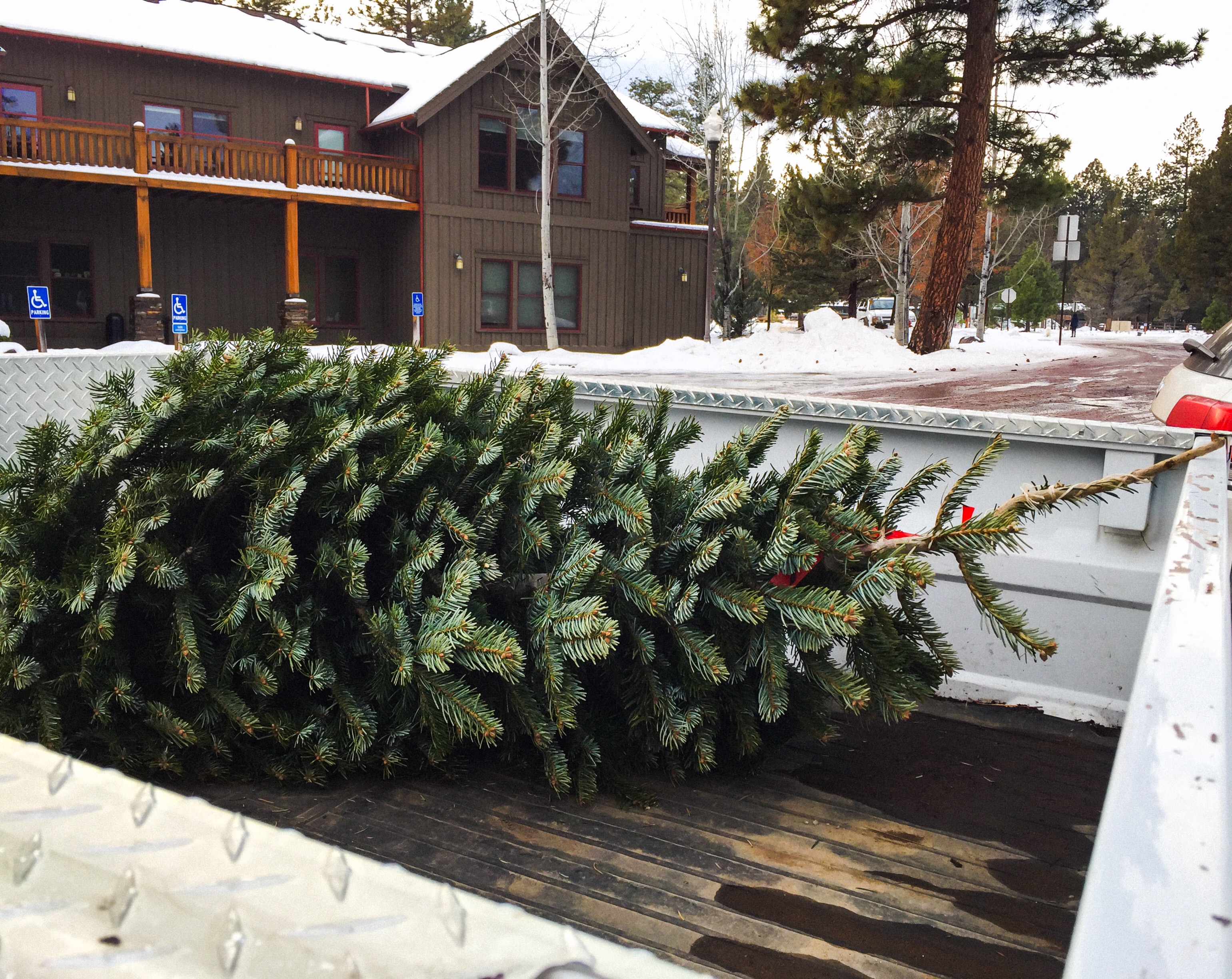
Our ponderosa pine homeplace in central Oregon, where we lived for a few years.
 Books Can Save A Life