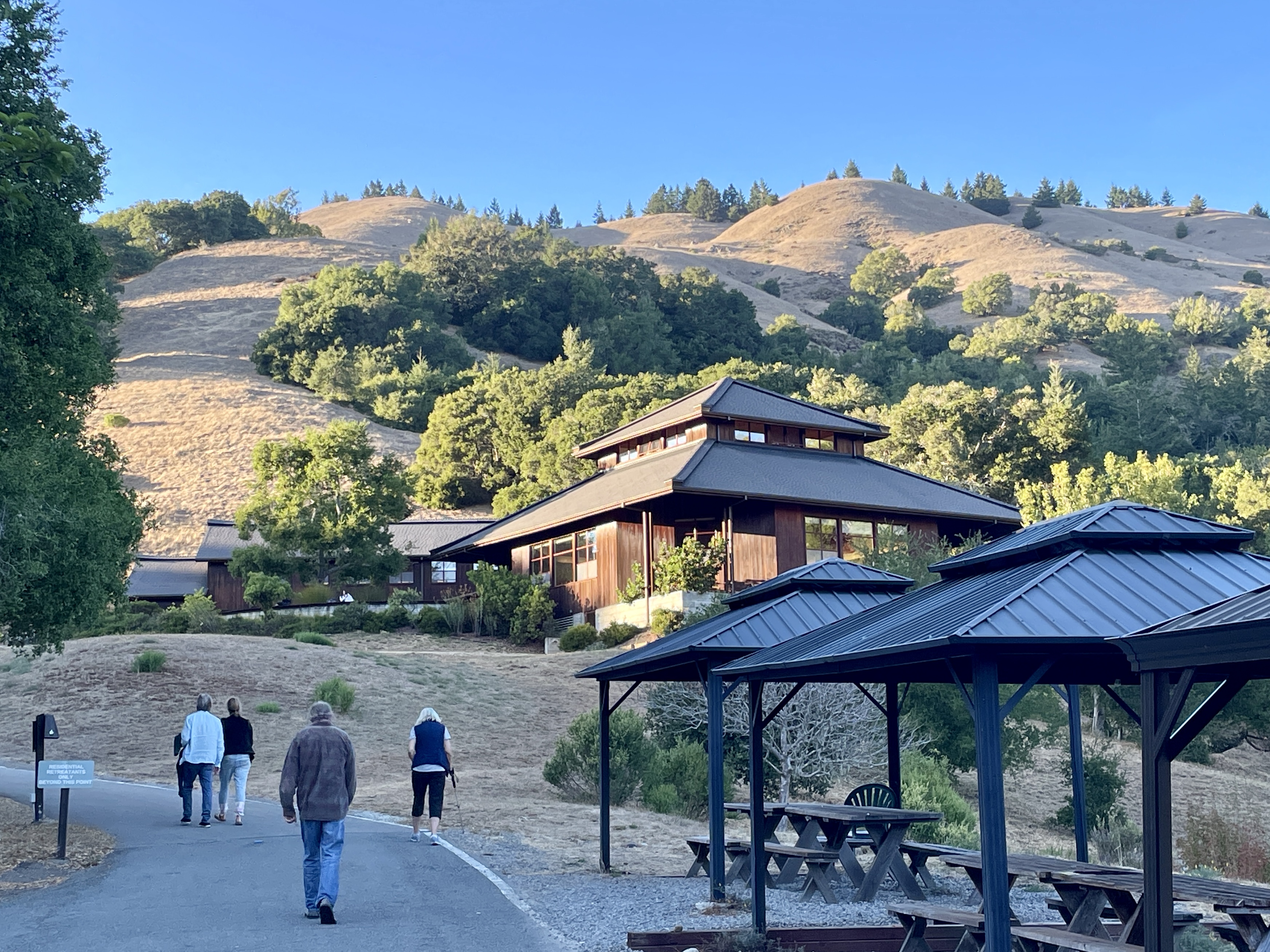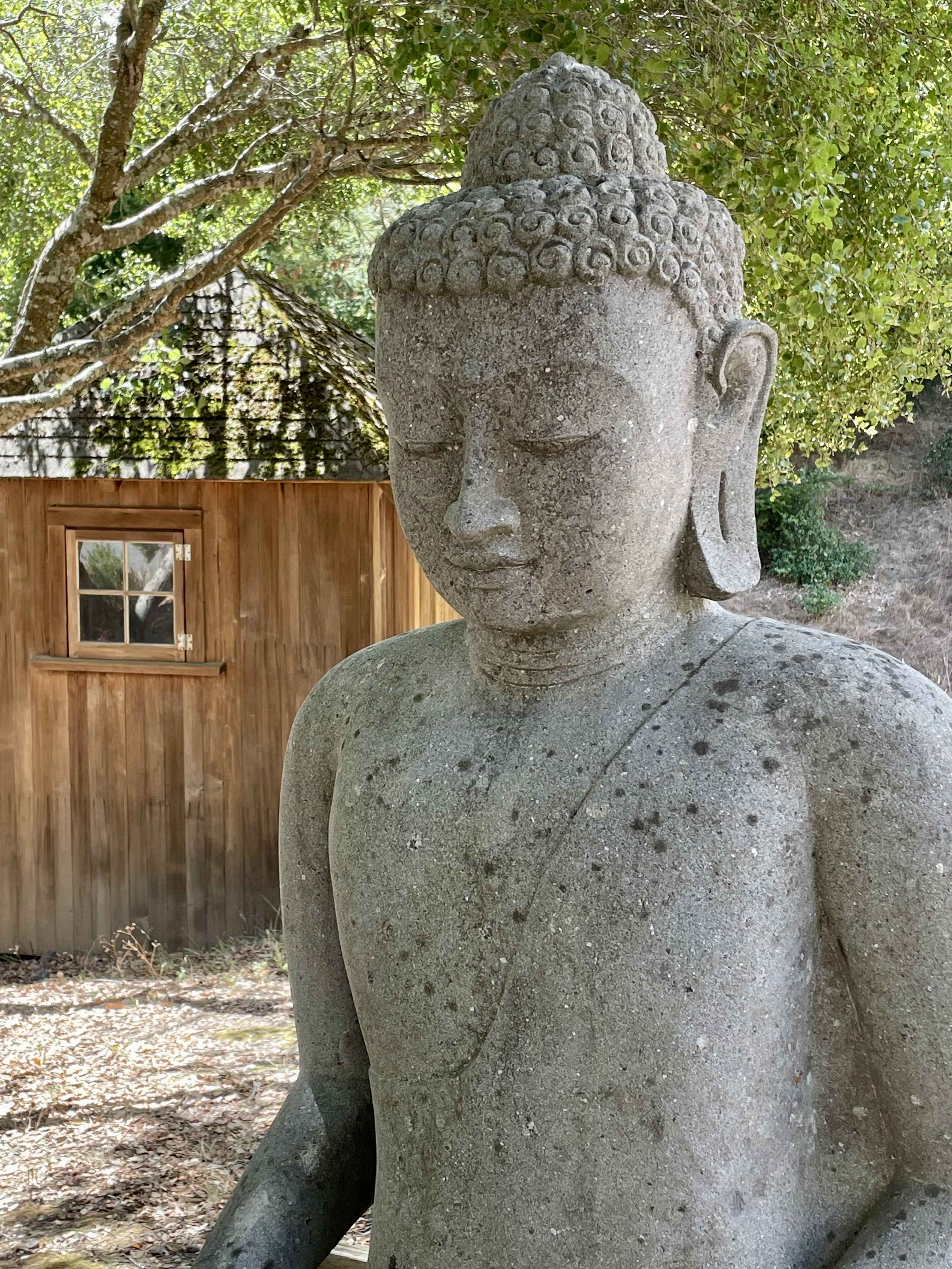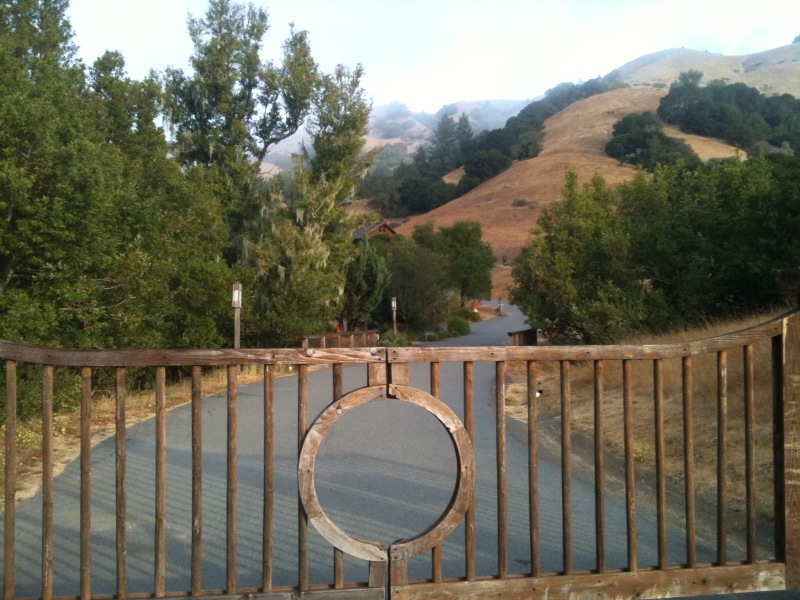
Nine of us were about to begin our first small-group meeting at Spirit Rock Meditation Center, where I was on a silent retreat. The meetings gave our teachers a chance to check in on our well-being and meditation practice. Did we have any questions? Were we facing any challenges?
Six young to middle-aged men sat across from me. My son, who works in tech, said meditation was gaining popularity in his field, and I guessed several of the men in my group worked in tech. Most of them said they had never attended a silent retreat.
When I last went to Spirit Rock over a dozen years ago, there were far more women than men, but now only two other women my age were in our small group.
This will be interesting, I thought.
L was a teddy bear of a man with a presence that filled the room. His words tumbled out on top of each other, peppered with comic, self-deprecating asides: “I’ve never been diagnosed, but no question I have ADD. I constantly monitor six screens in my office. At home, I’ve got more screens, plus my smartphone and the TV remote, and I work them all while my kids and I watch football. Multitasking is my default setting, and my friend and work pal sitting here next to me wanted me to try meditation. I don’t know about all this silence and sitting, but I guess I’ll see what happens…”
***
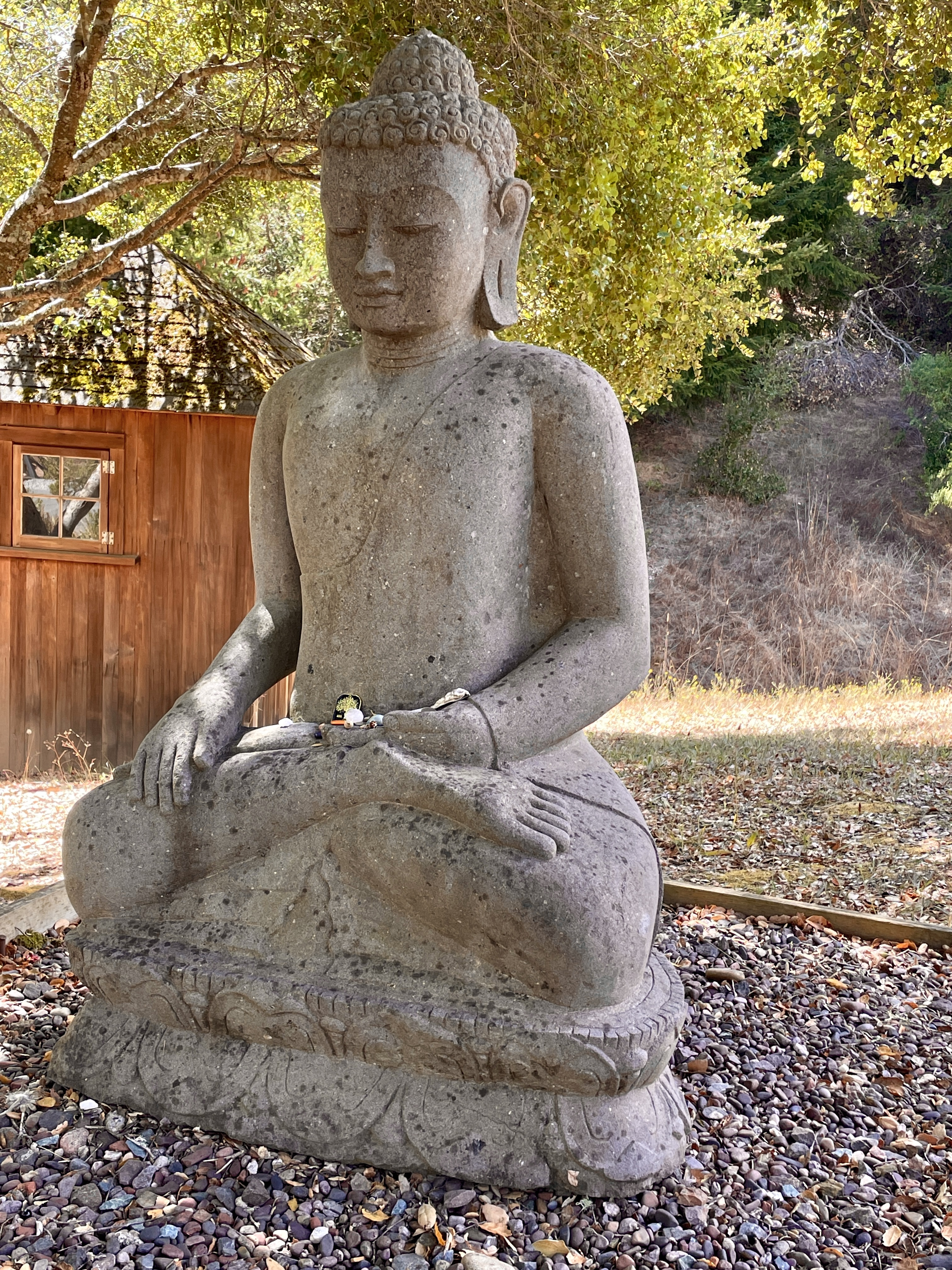
Two days later, we met for our second small-group session.
L had had enough.
“I can’t sit for one more minute. I’m bored out of my mind. This isn’t for me. I’m leaving, except I can’t because I came with my friend, and he’s driving…”
“Boredom is a good sign,” Howie, our teacher, interrupted. “Meditation can be a purity practice, and as discomfort arises, you practice sitting with it…”
“That doesn’t work for me. I know when I’ve reached my limit. I’m not cut out for this. We can move on to the next person; they can take my turn to speak because I have nothing…”
Howie leaned forward, visibly annoyed. “Look at me, L. Stop talking and look at me.” Howie was not going to let L deflect.
“You don’t even know how much you’re suffering. You think you do, but you have no idea.”
L was silent, and the rest of us were, too. J, a young man with whom I seemed to share a vibe and whom I fancied would be a great partner for my son (see my previous post), caught my eye, as if to say, are you catching this drama, too?
“You need to stay here,” Howie said. “You need to sit with this. Because if you don’t face this now, when will you ever? Is this how you want to spend your life, going from screen to screen? Is this how you want to be with your family? Years will go by, and you’ll have spent your life everywhere but in the present moment.”
L listened, taking in Howie’s words.
We sat with L in his vulnerability; I hoped he felt our goodwill surrounding him. After all, when you get right down to it, weren’t we all in the same boat? Weren’t we all constantly moving from screen to screen and distraction to distraction, distanced from ourselves, our loved ones, and the unprecedented challenges urgently demanding our attention?
***
The evening before the last day of the retreat, L happened to sit next to me at dinner. We ate in silence for a while, and then I turned to him. “Do you mind if I say something?”
“Not at all.”
“You’re still here. I’ve been watching, and you’re still here.” I smiled. “Would you come back to Spirit Rock?”
L didn’t hesitate. “100 percent. 100 percent, I’d come here again.”
Truly, I was amazed. L seemed to be in a very different place.
“I’m so glad you stayed. Maybe someday you’ll teach meditation.”
“Me?” L looked surprised, doubtful.
“You’d be good at it. You’ll really know what you’re talking about.”
“My friend and I went hiking yesterday,” L said, “and we were discussing you.”
Now it was my turn to be surprised. (I figured he already knew he wasn’t supposed to be hiking and talking with a friend on a silent retreat, and I decided not to tease him about that.)
“We both think you have no reason to feel low self-esteem. You literally exude happiness and joy.”
I hadn’t expected these kind, sweet words. I’d told the group that my low self-esteem issues had been showing up, especially when I worked on revising my memoir.
“Thank you for telling me that.” I almost said that happiness and joy certainly weren’t my default state; like everyone else, I often had to work at it. But, of course, L already knew that, too.
L reached out and shook my hand. “I’ll say goodbye now because we have to leave tonight.”
“Maybe we’ll meet again someday on the path,” I said.
L stood up, dishes in hand. “These vegetarian meals are great, but I hope the next time I’m here they’ll have seen the light and started serving dessert.”
***
I wasn’t sure if I should write about L, but I don’t think he would mind. This past month since the retreat, I’ve remembered him from time to time, somewhere in Pittsburgh, perhaps with fewer screens in his life. I’ve imagined J at work in Manhattan, and the others I met at Spirit Rock going about their day-to-day lives.
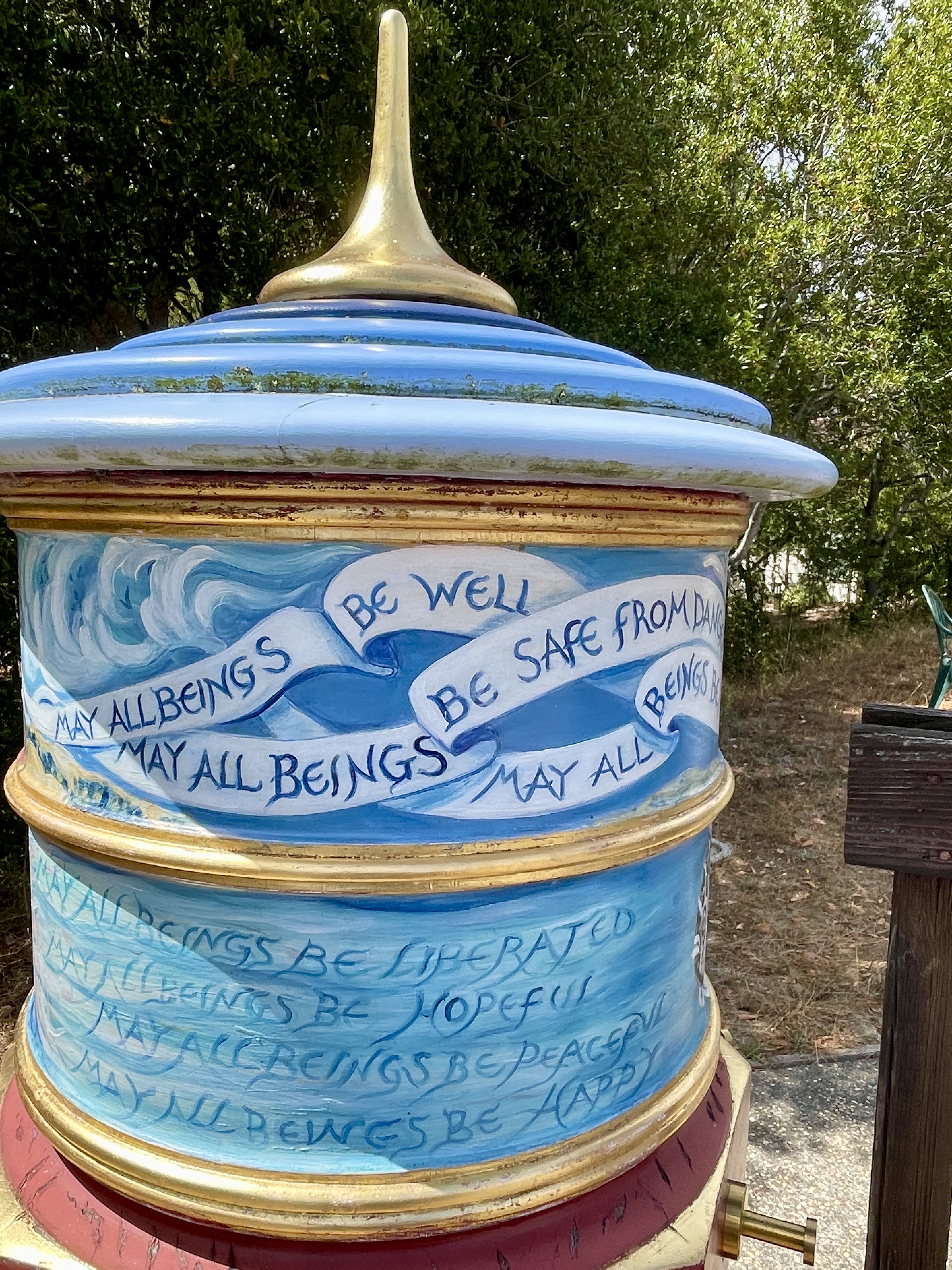
Now and then, I send a meditation their way from North Carolina: May you be filled with loving-kindness. May you be safe and protected. May you be well in body and mind. May you be happy.
***
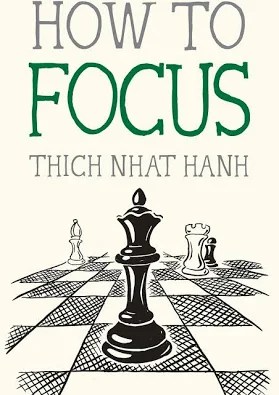
How to Focus by Thich Nhat Hanh fits in the palm of your hand. You can keep it nearby while meditating and read a page or two. I adore this little book. Below are two passages from it.
“Conscious breathing is a marvelous way to return to ourselves. When we are aware of our breath, we come back to ourselves as quick as a flash of lightning. Like a child who returns home after a long journey, we feel the warmth of our hearth, and we find ourselves again. To come back to ourselves like that is already a remarkable success on the path of mindfulness, concentration, and insight.”

“The day your mother passes away, you suffer. If someone sits close to you and shows concern, you feel some relief. This is the world of waves. It is characterized by birth and death, ups and downs, being and nonbeing. A wave has a beginning and an end, but we cannot ascribe these characteristics to water. In the world of water, there is no birth or death, no being or nonbeing, no beginning or end. When we touch the water, we touch reality in its ultimate dimension and are liberated from all these concepts. If you know how to touch your mother in the ultimate dimension, she will always be with you; you can see that she is there in you, smiling. This is a deep practice and it is also the deepest kind of relief.”
Photo: Cannon Beach, Oregon