To inspire your creative practice, soak up another’s

AtHomeinNature.jpg
“Those who have taken up homesteading – whether in the late nineteenth century, in midcentury, or in more recent periods – have all been acting out particular versions of larger experiments in American cultural dissent and spiritual creativity.”


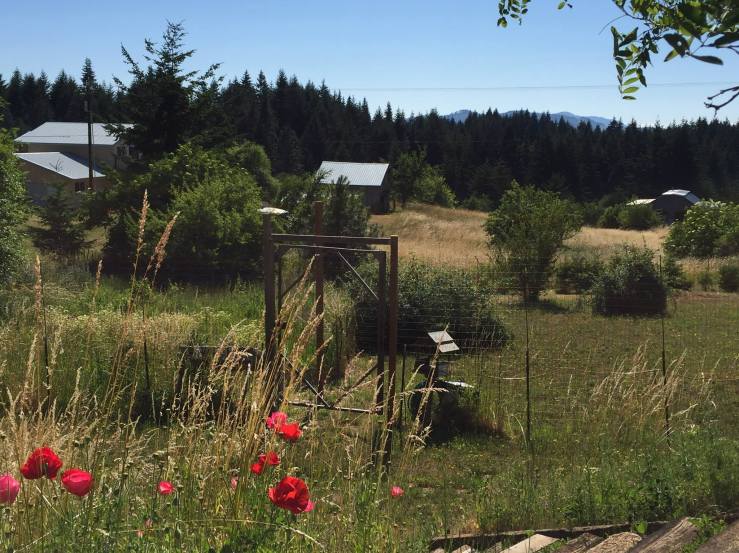
I wake up early, not so usual for me, and when I raise the blinds it’s always sunny here on the dry side of the Columbia River Gorge in Washington.

I put on a thick woolen sweater with a Native American design in sepia and acorn hues, owned by the artist who lives and works here. I grab my cereal and juice, head outside, and eat my shredded wheat looking at Mt. Hood.

We just sold our home of 23 years, where we raised two sons. Wanting to get our minds off of what we left behind, we flew across the country to an artist’s studio and retreat in the Pacific Northwest. New terrain and evidence of an artist hard at work teaching, learning, sharing, and making are reviving my creative spirit.

These things inspire:

  • a weaver’s loom
  • artwork on all the walls, mostly nature based
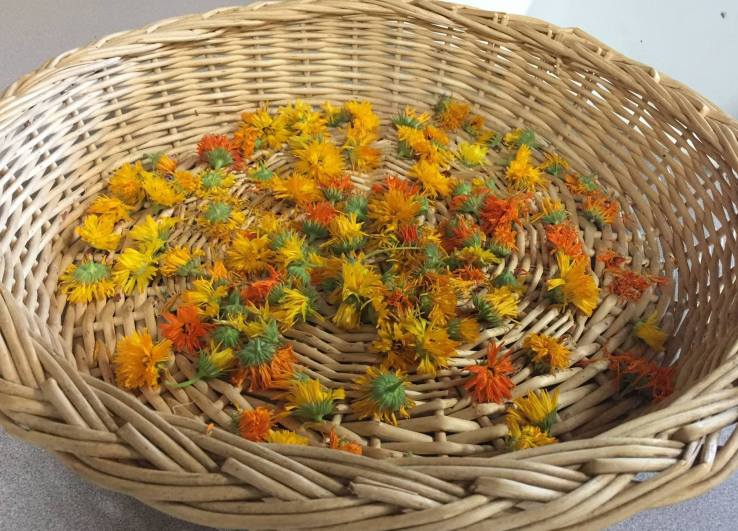
  • marigolds drying in a basket
  • a display of cloth swatches dyed from goldenrod, Queen Anne’s lace, turmeric, eucalyptus, horsetail, walnut, and blackberries
  • a fragrant garden with mint, basil, tomatoes, squash and other goodies
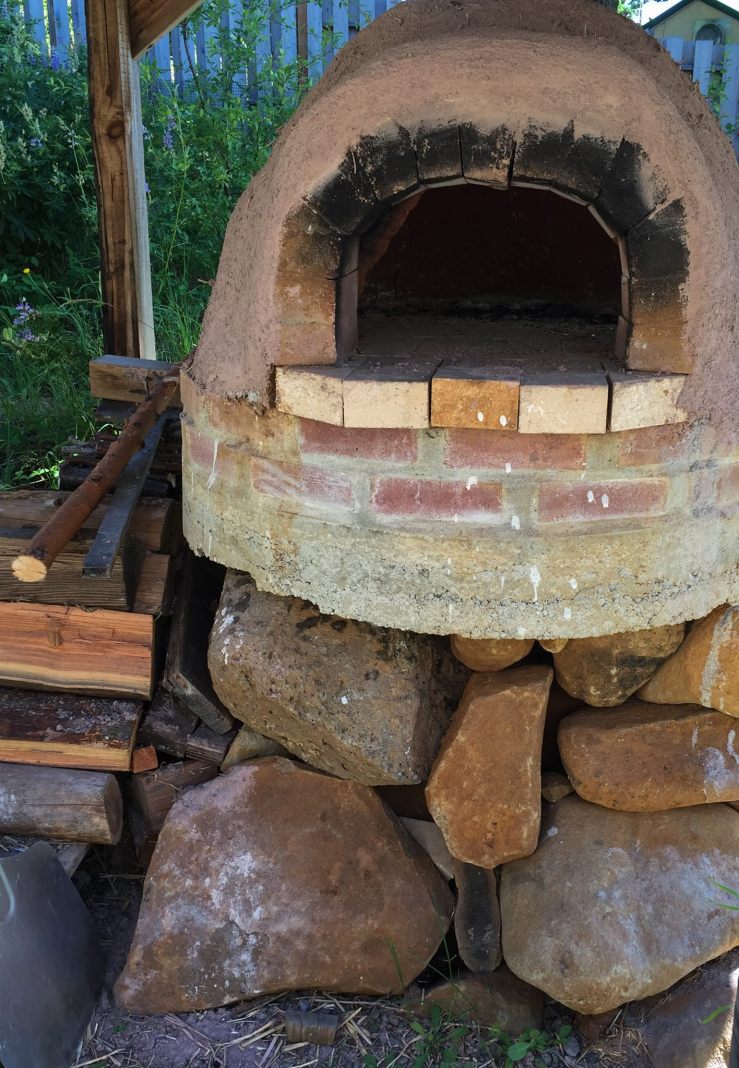
  • a handmade bread oven
  • poppies everywhere in gold and fiery red
  • jars filled with mysterious things, such as dried flower petals and I don’t know what
  • thick, blush-pink pear slices put by in glass jars
  • a catalog of enticing classes like Wooden Spoon Carving, Flower Farm Dyes, Ikat Weaving, and Columbia Plateau Beadwork
 

ArtistRetreat.jpg
It’s chilly in the morning, often windy, always sunny.


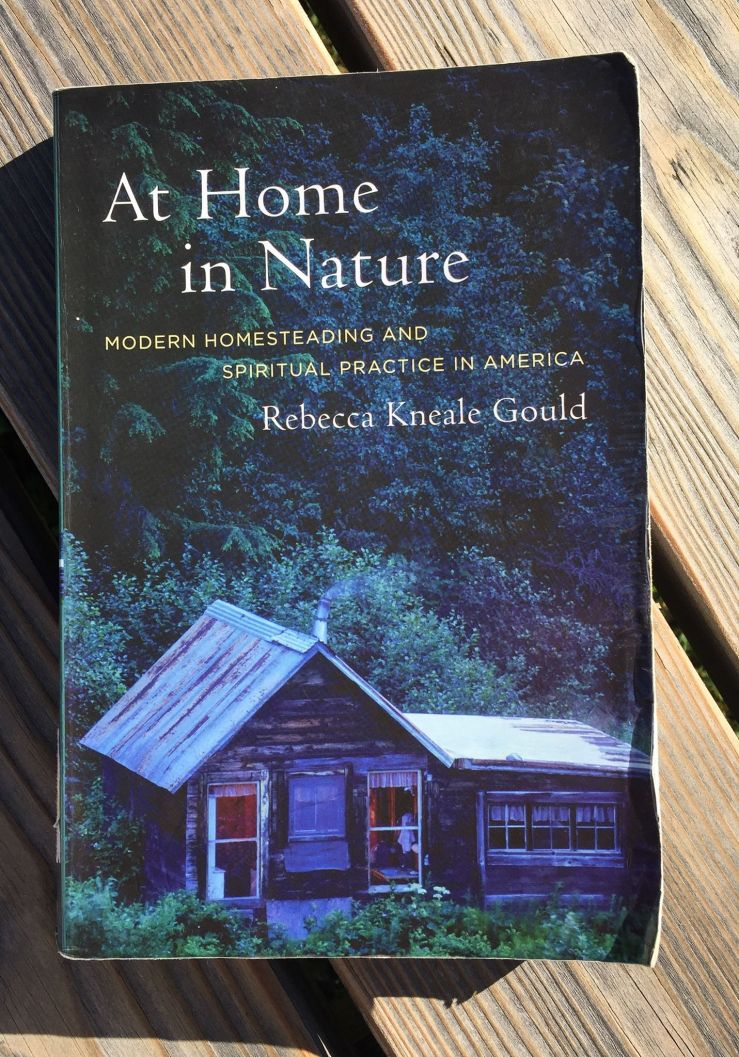
Other people’s book collections take us down unforeseen paths, and sometimes the more off the beaten path, the better. There are many books to sample here. At the moment, I’m delving into At Home in Nature: Modern Homesteading and Spiritual Practice in America, by Rebecca Kneale Gould, learning about John Burroughs, Henry David Thoreau, Helen and Scott Nearing, and lesser known American homesteaders – an intriguing slice of American history. It’s perhaps more scholarly than I’d prefer, but I’m enjoying it.

Some other books that live here:

which “aesthetics” do you mean? ten definitions, by Leonard Koren

Coming to Stay: A Columbia River Journey, by Mary Dodds Schlick

A Dyer’s Garden: From Plant to Pot, Growing Dyes for Natural Fibers, by Rita Buchanan

Pacific Feast: A Cook’s Guide to West Coast Foraging and Cuisine, by Jennifer Hahn

Art of the Northern Tlingit, by Aldona Jonaitis

The Textiles of Guatemala, by Regis Bertrand and Danielle Magne

Native Arts of the Columbia River Plateau: The Doris Swayze Bounds Collection, edited by Susan E. Harless

In Zanesville, a novel by Jo Ann Beard (I loved her memoir, The Boys of My Youth.)

Red Brick, Black Mountain, White Clay: Reflections on Art, Family & Survival, by Christopher Benfey

Recommended by my son, which I packed in my suitcase:

The Third Plate: Field Notes on the Future of Food, by Dan Barber

Other books I brought with me:

The Golem and the Jinni, by Helene Wecker (book club reading)

The Artist’s Rule: Nurturing Your Creative Soul with Monastic Wisdom, by Christine Valters Paintner

No Experience Required! Watercolor, by Carol Cooper

I’ll likely read just a couple of these but it’s nice to be able to choose.


MtHood
View from the backyard. (I zoomed in on Mt. Hood.)


BreadOven.jpg
A homemade bread oven. At the moment, a burn ban prohibits its use.


Sunflowers.jpg
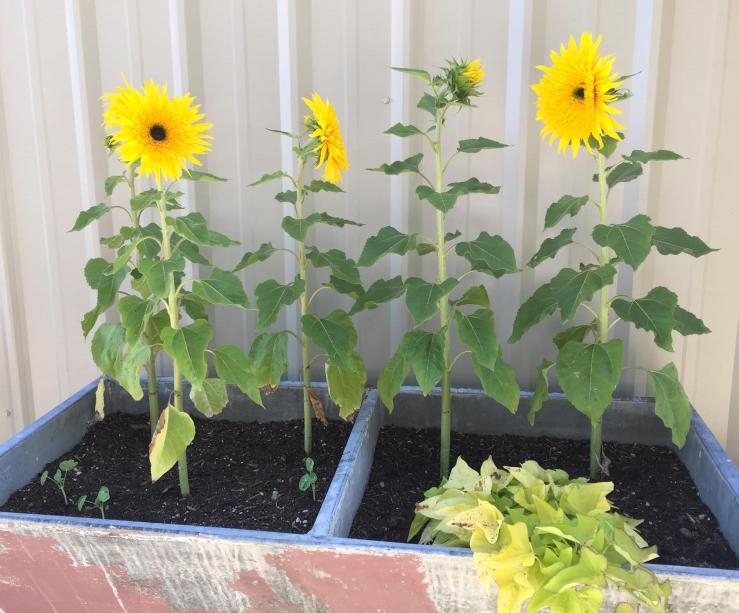
I think these sunflowers would be a relatively easy watercolor project for a beginner like me.


Marigolds.jpg
Marigold blossoms drying


Climbing a small mountain is another way to get your mind off things. I have more stores of endurance than I thought and limbs that are plenty sore, but the climb gave me a sense of accomplishment.


Mt.Hood.jpg
View of Mt. Hood from Little Huckleberry Mountain in Gifford Pinchot National Forest


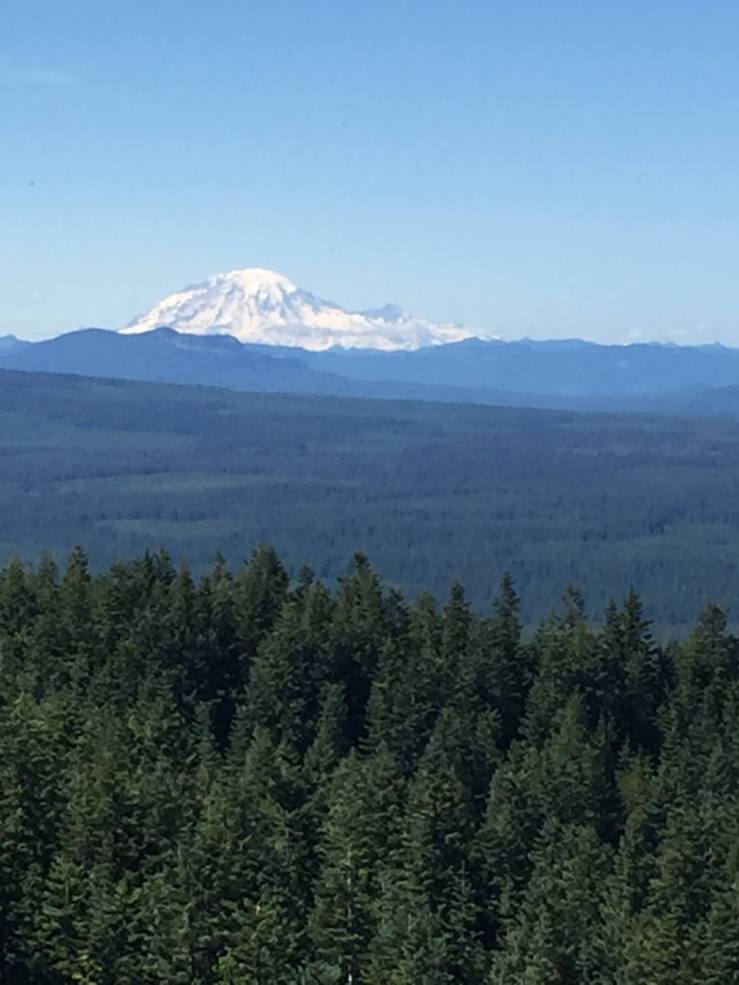
We saw three of the Cascade mountains once we made it to the top…


MtAdams.jpg
Mt. Adams


….which I could not have done without the encouragement of my husband.
 

MtStHelens
Mt. Rainier 


TakingMyPic.jpg
Atop Little Huckleberry Mountain, on the ruins of an old fire lookout. Elevation: 4,781 feet.


An artist’s tools and artifacts. Books that belong to another. Climbing a small mountain. How do you feed your creative spirit? Can you recommend any books? Are you traveling this summer or working on a creative project?

The Eagle Tree


IMG_2983
Browsers Bookshop in Olympia.

We spent part of our recent Pacific Northwest vacation in Olympia.

I know exactly one person who lives there, but she doesn’t know me – the artist Nikki McClure, whose work I admire.

We were exploring the center of town, when I spotted Browsers Bookshop, and of course we had to go in. About three minutes later, Nikki McClure walked in. She was there to sign copies of her most recent book, Waiting for High Tide.

But it gets weirder than that. After I finished browsing and had chosen a couple of books, I introduced myself to the bookstore owner, Andrea Y. Griffith. Turns out, Andrea knew my name. We are both former medical librarians, and apparently a few years back I edited an article she wrote for a Medical Library Association conference.

Waiting for High Tide
Nikki McClure’s latest book

I love Andrea’s bookstore, which has been in business since 1935. Andrea and her husband recently bought the shop and are reviving it. She’s doing a terrific job. I enjoyed browsing the store; I saw many new and intriguing titles I’m unfamiliar with, and she had an excellent selection of titles about the Pacific Northwest and nature, as well as other categories. I could tell immediately that the book selections are carefully curated – that’s of course what you can expect from a librarian.

I encourage you to read a bit about what Browers Bookshop is all about here.

IMG_2994I purchased the young adult book The Eagle Tree by Ned Hayes, who is from Olympia, as well as another book I’ll tell you about in my next post. The artwork on the cover of The Eagle Tree pulled me in, and since I’d been awed by the massive and venerable old trees we were seeing in Olympic National Park, I thought the book would be a good traveling companion.
It’s about a 14-year-old boy, March Wong, who is on the autism spectrum and obsessed with trees. Written in first person from the viewpoint of March, the novel often reads like encyclopedia entries because that is how March expresses himself, so you have to be fascinated by trees to bond with this book. I took to it immediately, as have many other readers, although there are some readers on Goodreads who disliked it for this reason.

I loved learning about the ecosystem of trees and watching March become willing and able to connect to other people as he tries to save the Eagle Tree, a monolithic Ponderosa Pine, from being cut down. Even though the tone can be factual and didactic, it’s really more expressive and lyrical than anything else, which is a tribute to Ned Hayes’ fine writing. I highly recommend this book to young adults, and their parents.

I was impressed when I saw that an author’s talk sponsored by Browsers Bookshop featured local actors performing scenes from The Eagle Tree. This is an independent bookstore that goes above and beyond to enrich the community and promote local authors.

Here is some of what March Wong has to say:

“I do not like this idea that we have begun to kill off—at great velocity and accelerating speed—all of the things that sustain us. I didn’t like it at all when I first thought of it, but most people around me do not seem that disturbed by it, even though the knowledge of this is obvious and readily available to anyone who looks up trees on the Internet. At least, no one seems bothered, because no one has taken action to amend it. So they must not care. That is the only explanation I can think of for the lack of reaction to this fact.”

IMG_3252
In Olympic National Forest

“Most of the trees are already dying. All across North America from Mexico to Alaska, forests are dying. Seventy thousand square miles of forest—that’s as much land as all of the state of Washington—that much forest has died since I was born. What if I am growing up in a world that will not have trees anymore by the time I am my grandfather’s age?”

IMG_2907
This is a nurse log. March Wong in The Eagle Tree will tell you what that is.

“There is an ocean of light around us. We are surrounded by it, we swim in it, we move through it every day.”

IMG_2912
Reminds me of the flowing creek nearby


IMG_3240
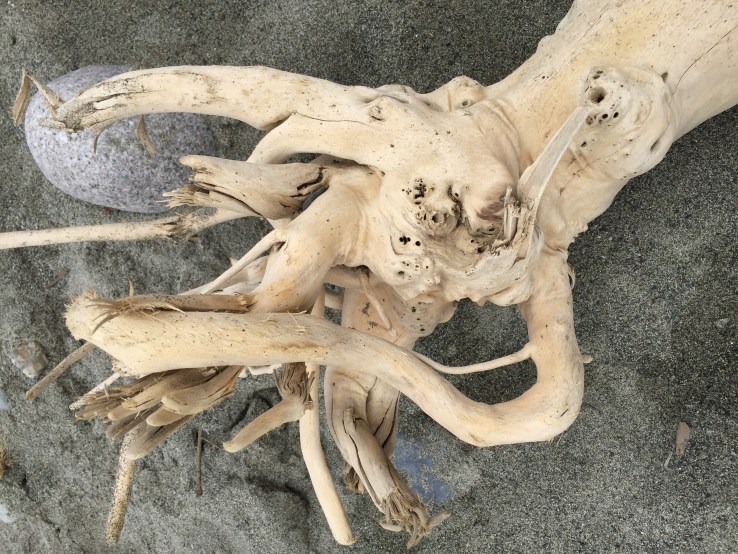
Nature’s sculpture. Dungeness Spit is littered with driftwood.


IMG_3229.JPG
What you can make from a tree. This is in Sequim, Washington.

My Favorite Things

….on the Olympic Peninsula….

We’re on vacation exploring the magnificent beauty of the Olympic Peninsula and getting to know Port Townsend, Sequim, Port Angeles, and Olympic National Park.

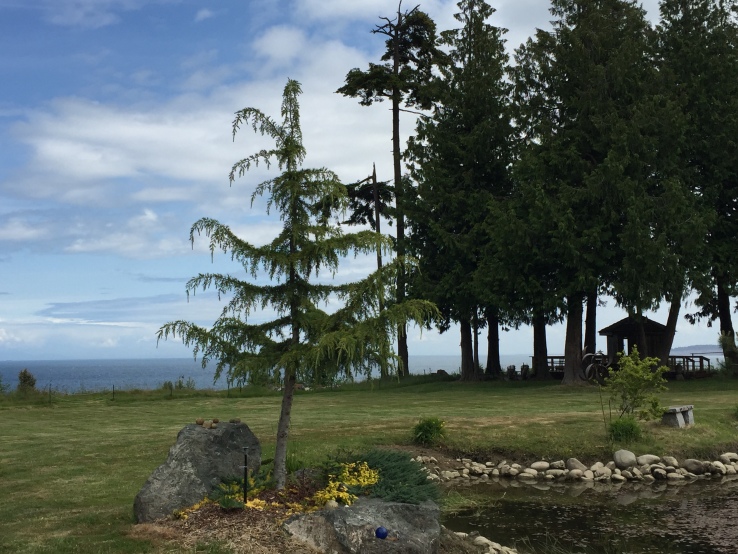
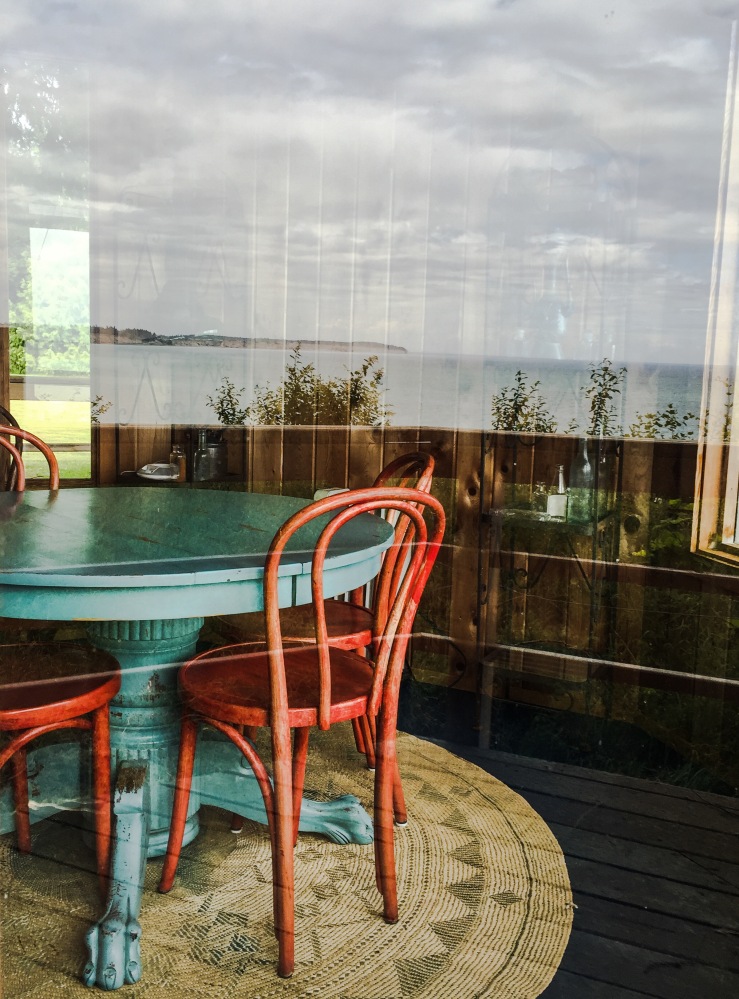
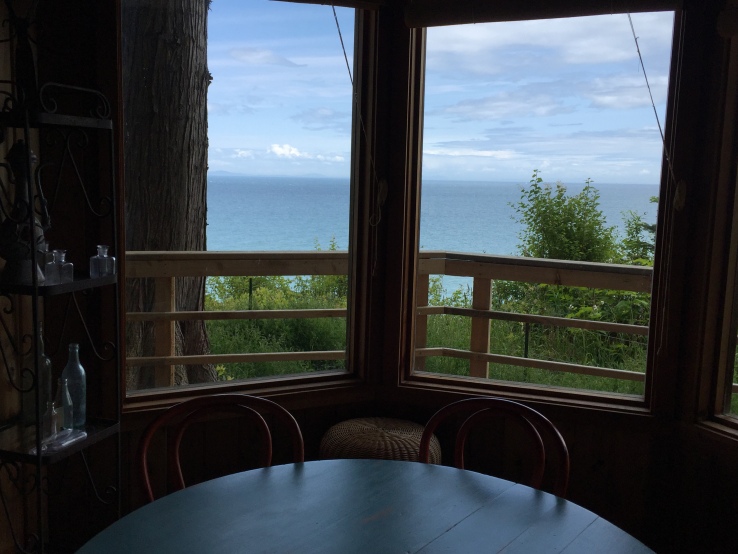
The airbnb  where we’re staying is on a cliff overlooking the Strait of Juan de Fuca. The octagonal structure in the photo below is where I’m writing this blog post.

IMG_3056.JPG

Our temporary home is a former barn that has been beautifully converted into a comfortable dwelling filled with Native American, Mexican, and Americana art, quilts, and rugs. I spent more than a few hours on airbnb looking for a place to stay, and my research paid off.

IMG_3033

There are lush gardens on the property and a tree farm across the road along with a view of the magnificent snow-covered Olympic Mountains. Sea in the backyard, mountains in the front yard.

IMG_3196

IMG_3171.JPG

IMG_3210.JPG

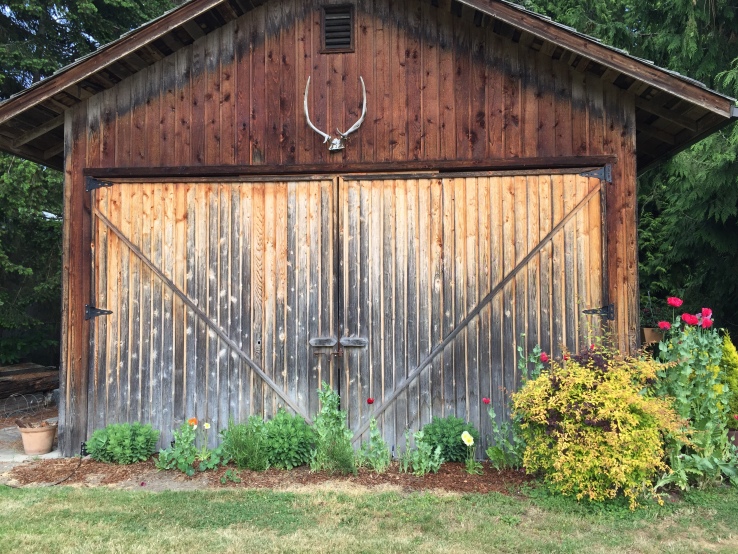
I love the weathered colors and textures of this old structure. It is a workshop/studio filled with fabrics – I believe one of the owners is a textile artist, and several of her quilts grace the walls where we’re staying.

IMG_3052

IMG_3053

Below is the interior of the little octagonal retreat, which comes equipped with a heater and bookshelves. All you need is a mug of hot coffee or tea to feel right at home. You can see a reflection of the view in the top half of the photo.

Early this morning my husband saw two bald eagles perched on a tall, dead tree nearby. It had rained in the night, and the pond visible in the first photo was filled to overflowing.

IMG_3223.JPG

IMG_3109

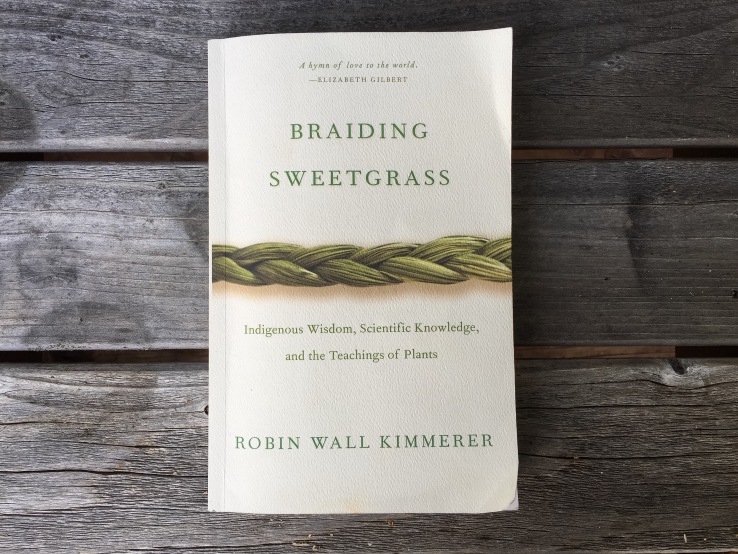
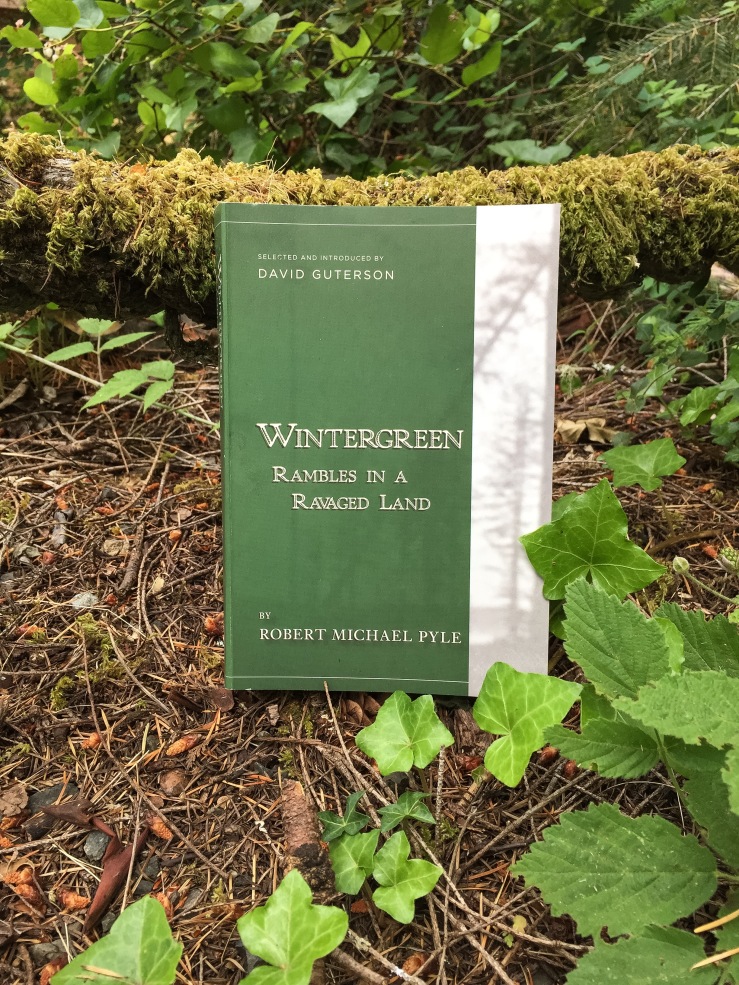
I’d started reading Braiding Sweetgrass back home, and I’m continuing to read it slowly, a chapter at a time. A good companion is Wintergreen: Rambles in a Ravaged Land by Robert Michael Pyle, who writes of the extensive logging that has stripped the Willapa Hills of southwestern Washington, where he has lived for thirty years.

I had the pleasure of meeting the author at the Wild Arts festival in Portland last fall. Note that there is an introduction by David Guterson in this edition. Robert Michael Pyle is a generous Santa Claus of a man who teaches every year at Fishtrap, a retreat for writers who are passionate about the West.

IMG_2894

IMG_2892.JPG

IMG_3201

More later. I’ll tell you about a wonderful indie bookshop I visited, its dynamic owner, the person I happened to run into there in a moment of serendipity, and the books I bought.

Have you been to the Olympic Peninsula? If so, what are your favorite spots? Can you recommend books or authors connected with this part of the world?