
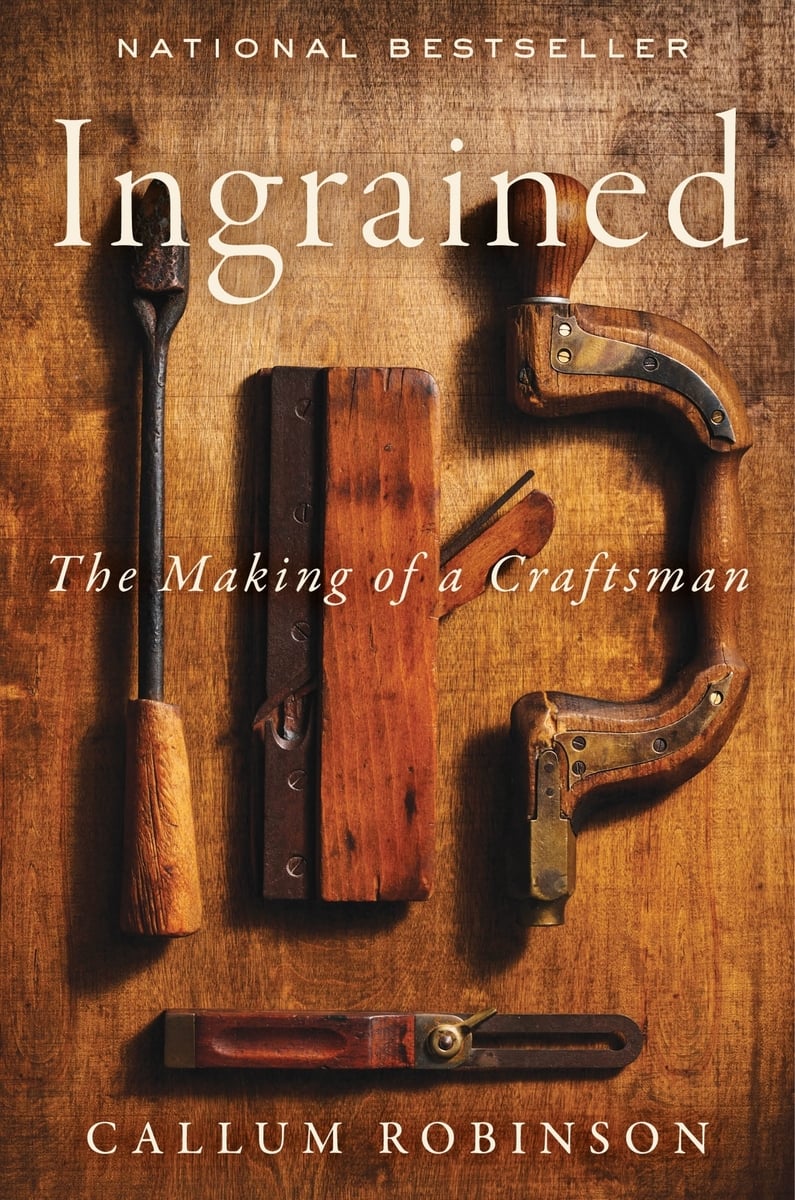
If you have last-minute holiday shopping to do and would like to give a fine memoir as a gift, I have a suggestion.
I spotted Ingrained: The Making of a Craftsman by Callum Robinson in a local bookstore and thought that my son’s partner, who is an amateur furniture-maker, might like it. Of course, I decided to sample a chapter. Two days later, I’d finished the memoir, having enjoyed a kind of bliss through the entire reading.
This is a superb, deeply personal book that is also suspenseful, sensual, poetic, and universal. I could smell the cedar, pine, and oak as I read. Makers will love this story, but I don’t think you have to be a maker to respond deeply to this nature-based memoir.
The neat flat-cut edge of its end-grain revealing the gently arcing lines of the tree’s growth rings. Dark reddish brown, like burnt umber or strong tea…It is a broad piece of one-inch elm…Fine close grain tumbles down the board’s length. And a tracery of spectral green streaks across it, like the northern lights.”
Callum Robinson, Ingrained
The workshop owned by master woodworker Callum and his wife, landscape architect and designer Marisa, is about to go under, thanks to the cancellation of a substantial corporate project. Already leveraged to the hilt, the relatively young business faces imminent bankruptcy.
They must change direction, and fast.
Chapter by chapter, the story expands to reveal Callum and Marisa’s world: the devoted young craftsmen who work for them; Callum’s father, also a master woodworker, who jumps in to help set the business in a new direction; the small Scottish town of Linlithgow, where their little studio and workshop reside; the beautiful Scottish forests that supply much of the timber from which their furniture is made; and the customers who eventually browse their shop and can’t resist the furniture they see.
And with its flowing organic transitions, to me the grand elm table feels more like a sculpture than a piece of furniture. To one edge of its mighty top, among the swirling purples, reds, and greens, there remains just the tiniest taste of the tree’s true form. A handbreadth of live edge and finely sanded bark, still visible in the straight, sharp, otherwise regimented lines. A perfect imperfection – a signature – like the crimped pie crust or the fingerprint in the clay.
Callum Robinson
Callum Robinson seamlessly blends the past and present as he tells of his own coming-of-age and how he found his life’s work. His story is relevant to anyone concerned with living in a deeply authentic, meaningful way. You will be rooting for these singular people who design and make furniture of great beauty that will be loved and handed down through the ages.
This is a celebration of the human-designed and handmade. Callum approaches crafting fine furniture from some of the world’s most beautiful trees as if it were pure poetry. His writing is the same.
I look forward to reading more of him.
Nostalgia is a powerful thing. An ethereal link. An ache for something long ago, something that might never really have existed. No other material I know can hold it, or radiate it, quite the way that wood can. And almost nothing made from wood will ever have as many stories locked inside as a family table. Used so often it’s almost invisible, passed down through the generations, scarred by the lives and ingrained with the memories of all those who gathered around it.
Callum Robinson
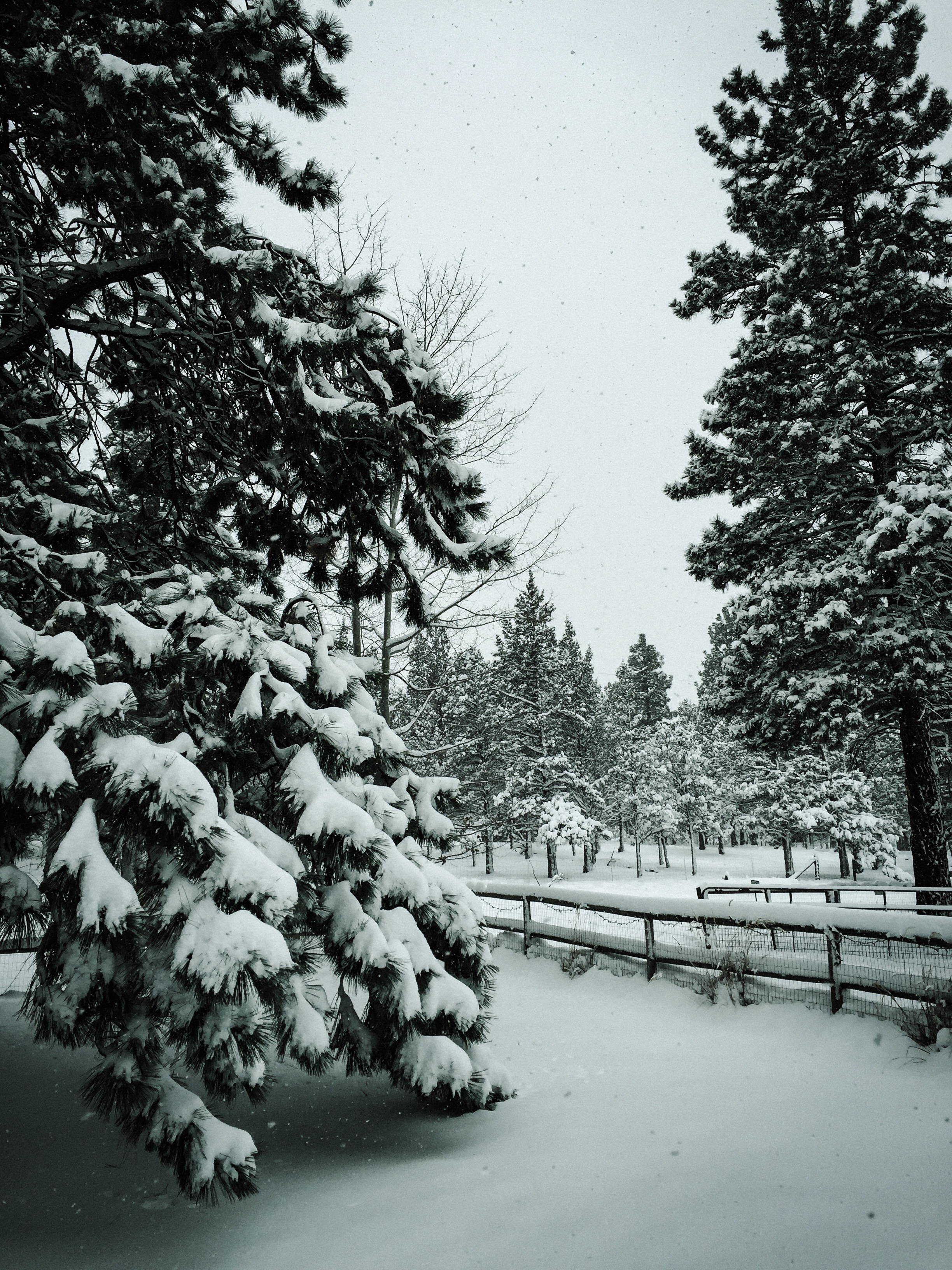
Our ponderosa pine homeplace in central Oregon, where we lived for a few years.
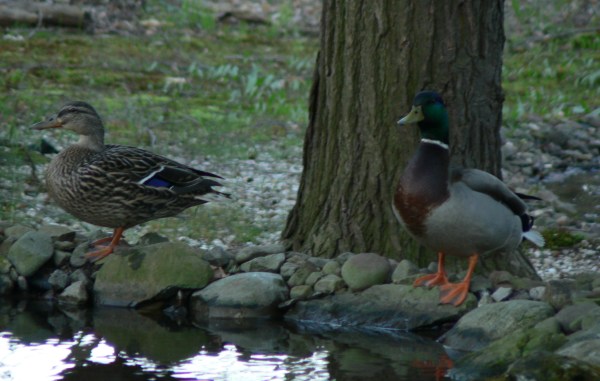 We never see any ducklings, though, and we worry because this is also the territory of a neighborhood fox, as well as hawks and owls. By midsummer our visiting ducks have disappeared – maybe they’re busy tending their nest – and I always miss them once they’ve gone.
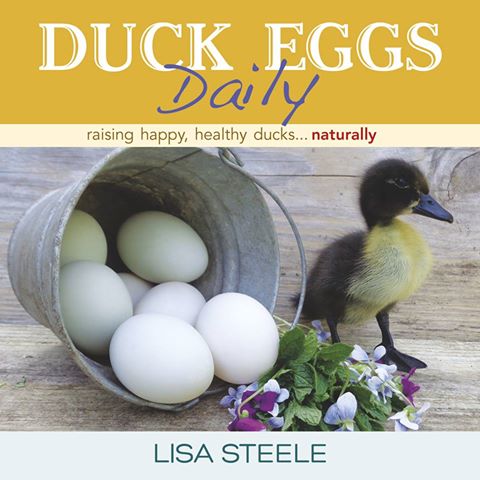
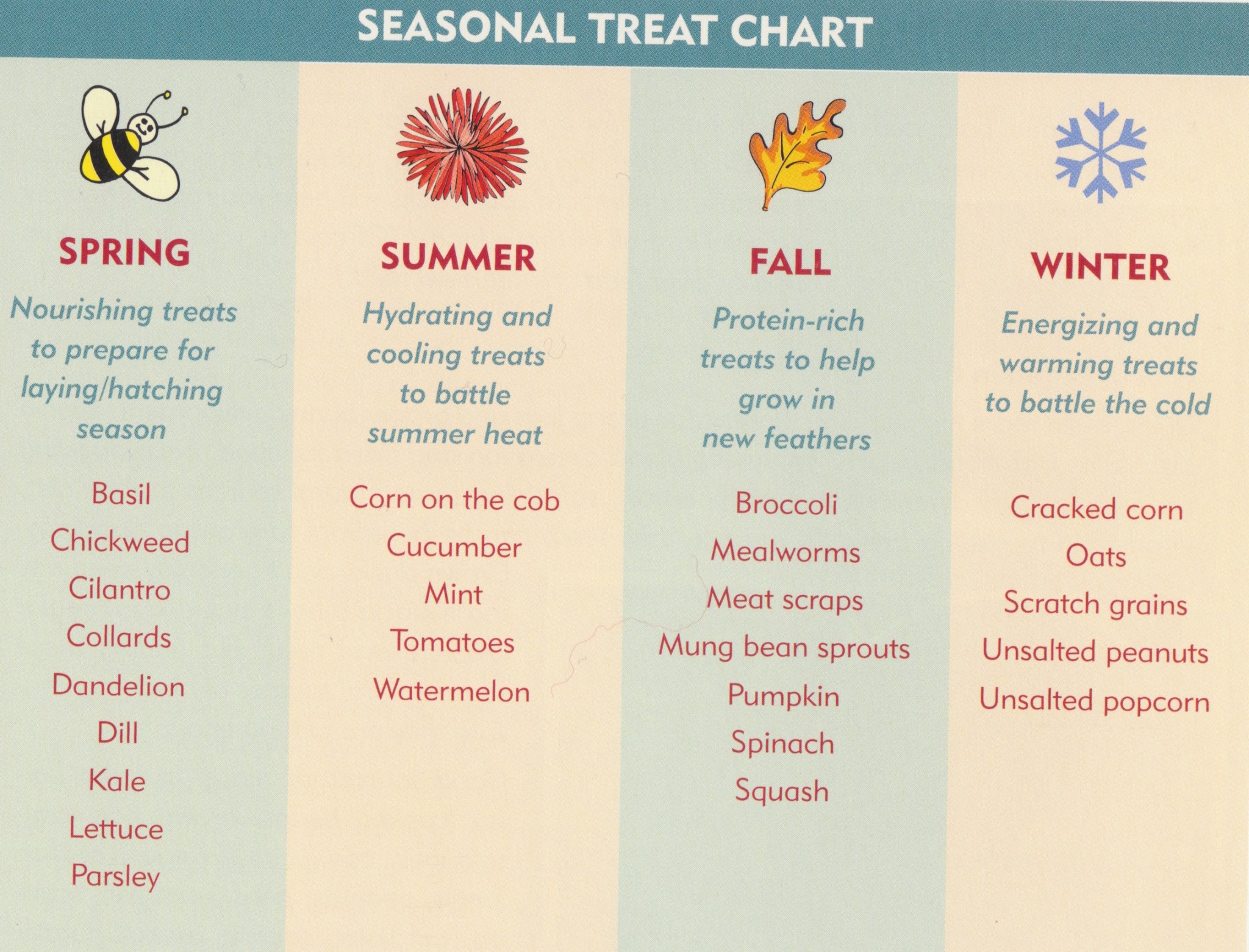
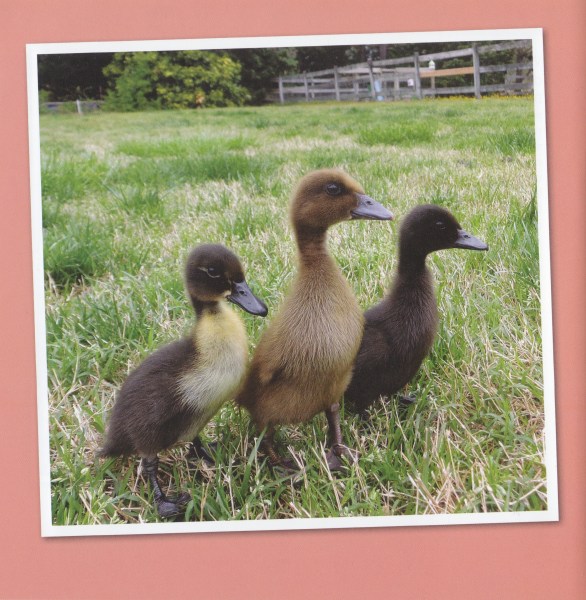 In Duck Eggs Daily, Maine hobby farmer Lisa Steele proves this is so, and I found her enthusiasm and love for ducks (and flocks of all kinds) to be contagious and inspiring.
 Lisa says that now is the perfect time to invest in a pair or trio of ducks, because many ducks adopted as pets are abandoned after Easter. She encourages interested readers to adopt two or three from one of the duck rescue organizations listed in the book’s appendix.
 Slow Flowers, by Debra Prinzing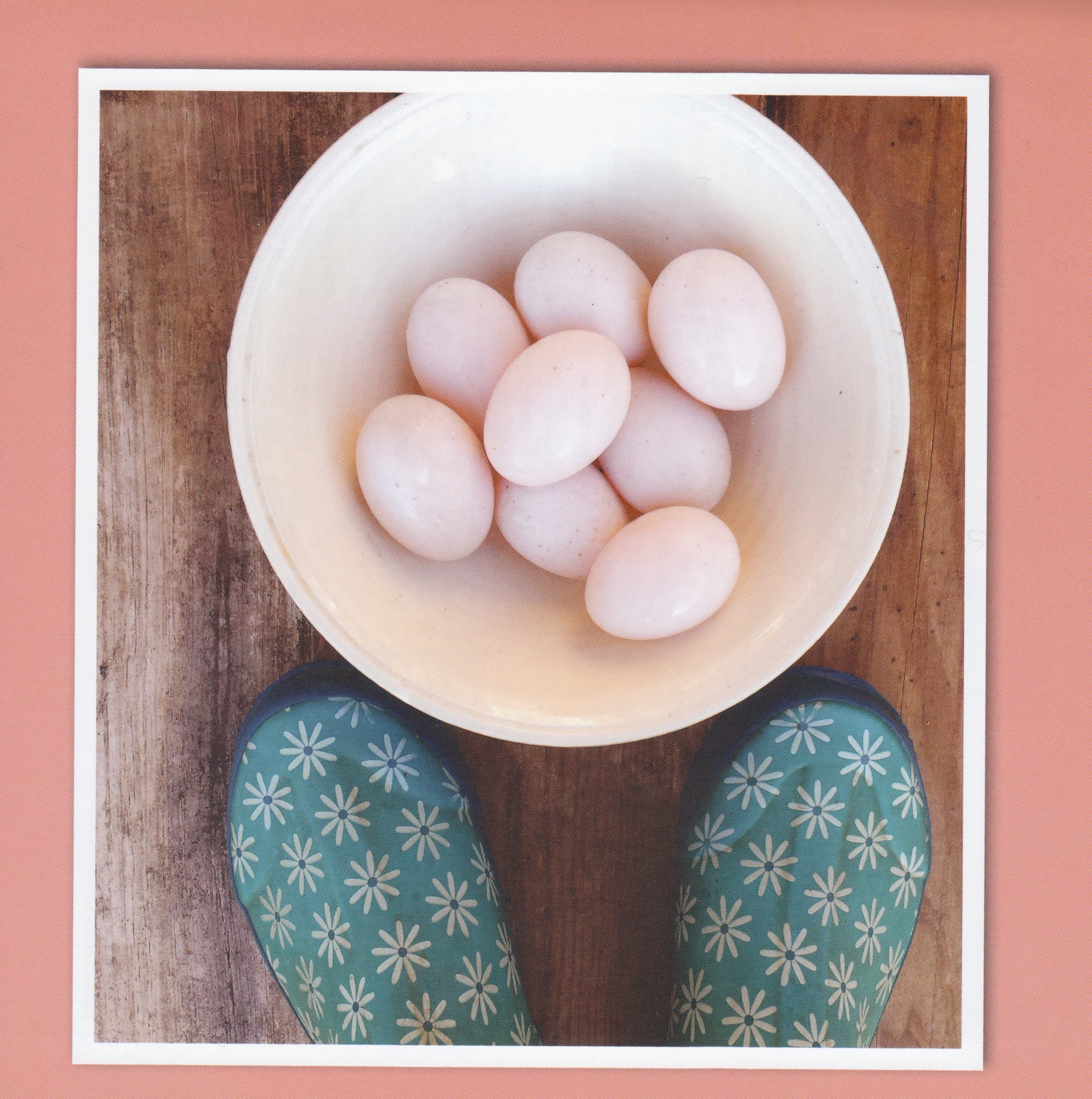
 A few days after I wrote my blog post
  Pat Conroy (The Great Santini): “Some of us are the designated rememberers. That’s why memoir interests us–because we’re the ones who pass on the stories.”
  A.M. Homes (The Mistress’s Daughter): “There were many points at which I thought, I don’t really want to be doing this. I want to stop. What propelled me to keep going was that I felt I could bring to the memoir my experience and training as a writer–finding language for primitive emotional experiences. One of the things that worked about the book was that it gave voice to people who hadn’t found language for the adoption experience. It allowed them to explore their own experience in a different way, and/or to have their feelings about it articulated and confirmed.”
 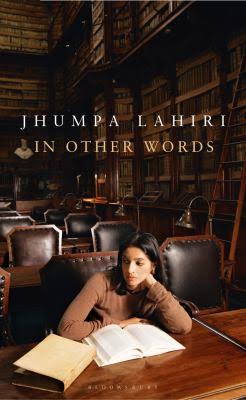 In Other Words, Jhumpa Lahiri

 Especially if you’re of a certain age and you have children who have left the nest as I do, you might find The Buried Giant particularly affecting. Axl and Beatrice are an elderly couple who leave their village and set off to find their son, whom they apparently haven’t seen in many years. They can’t remember the circumstances under which he left, or exactly where he lives, just as they can’t remember much of anything about their own pasts.



 Books Can Save A Life