Discovering Argentina

What we did on our fall vacation:

Immersed ourselves in spring.

Each day balmier than the one before, with occasional chilly rain. Crescent moon from another point of view, an unfamiliar family of constellations in the night sky.

In Lelé de Troya’s green room (there are also red, yellow, and blue rooms), Malbec by candlelight, the Beatles, two couples celebrating 25th wedding anniversaries reminiscing about disco dancing in NYC, leisure suits, and long-ago first jobs. Finishing dessert at midnight while the rest of Buenos Aires just gets started.

Talking with many a taxi driver (Claudio, Lila, Juan, and a few more whose names I don’t recall) thanks to one of our foursome’s exuberant Spanish. (Buenas noches! Cómo estás? Yo hablo español pero no comprendo nada. Háblenos de Buenos Aires.) Our drivers are warm, friendly, opinionated, proud of their city but wanting things to be better, eager to speak with us. Trying to follow their rapid-fire Spanish, wishing we understood more.

Japanese Gardens
Jardin Japonés, Buenos Aires

Spanish haiku in the Japanese Gardens, a circle of Spanish-speaking Japanese women deep in conversation under a silk floss tree.

Reading in bed Pico Iyer’s Falling Off the Map: Some Lonely Places of the World, disliking his essay on Argentina in which he contends people here strive for the wealth and sophistication of Europe, but are only pale imitations of it. True for some, perhaps, but I see down-to-earth, hard-working Argentinians and a genuine, vibrant culture that is what it is.

Watching amazing tango dancers, learning the tango was partly invented by Italians who emigrated to La Boca, a working class section of Buenos Aires. Never before realizing the inventiveness and variation possible within the structure of tango.

More reading in bed after a long day walking the city, Lawrence Thornton’s novel, Imagining Argentina. Letting myself imagine, for a moment, what it would be like to have one’s teen-age daughter stolen away to the pampas in the night, never to be seen again. Recalling the crosses and banners of the Mothers of the Plaza de Mayo we’d seen.

Iguazu evenings, drinking Caipirinhas in the secret garden of our bed and breakfast run by a photographer from Calcutta who has spent forty years in Argentina. John cares deeply about local flora and fauna and plans to offer walk-about tours to teach people about the region’s ecology. Meeting Natalie (British), Christina (from Mexico, now British) Helen and Andre (British and South African, respectively, now living in Austria). And some Argentinians from Buenos Aires who say the middle class here is disappearing. Does that sound familiar?

In Iguazu National Park, hundreds, thousands of butterflies: deep purple on brown, art deco, Italian modern. They hitch a ride on our hats, sleeves, shoulders. Clusters of mint green and yellow-winged moths delicate as parchment, scattering like confetti in the wind. Monkeys, coatis, lizards, turtles, toucans.

Garganta del Diablo
Garganta del Diablo

Ending our trip viewing some of the 300 waterfalls in Iguazu. People from all over the world come to this remote place where Argentina, Brazil, and Paraguay meet. Standing before the immense, overwhelming Garganta del Diablo (the Devil’s Throat), welcoming the cool spray after our subtropical hike. Like Andre said one evening after he and Helen braved a boat that takes you as close as you can get to one of the biggest waterfalls, every particle of your body awakens.

You feel totally alive.

Waterfalls at Iguazu

If you’ve been to Argentina or can suggest good books about this beautiful country, please tell us in the comments below.

Zen in Nature

I was interested to read “Finding Zen in a Patch of Nature” in the New York Times today. David Haskell’s new book, The Forest Unseen: A Year’s Watch in Nature sounds wonderful. Plan to add it to my reading list.

Bookstores (of course) and tombs in Recoleta, Buenos Aires

Cuspide Libros

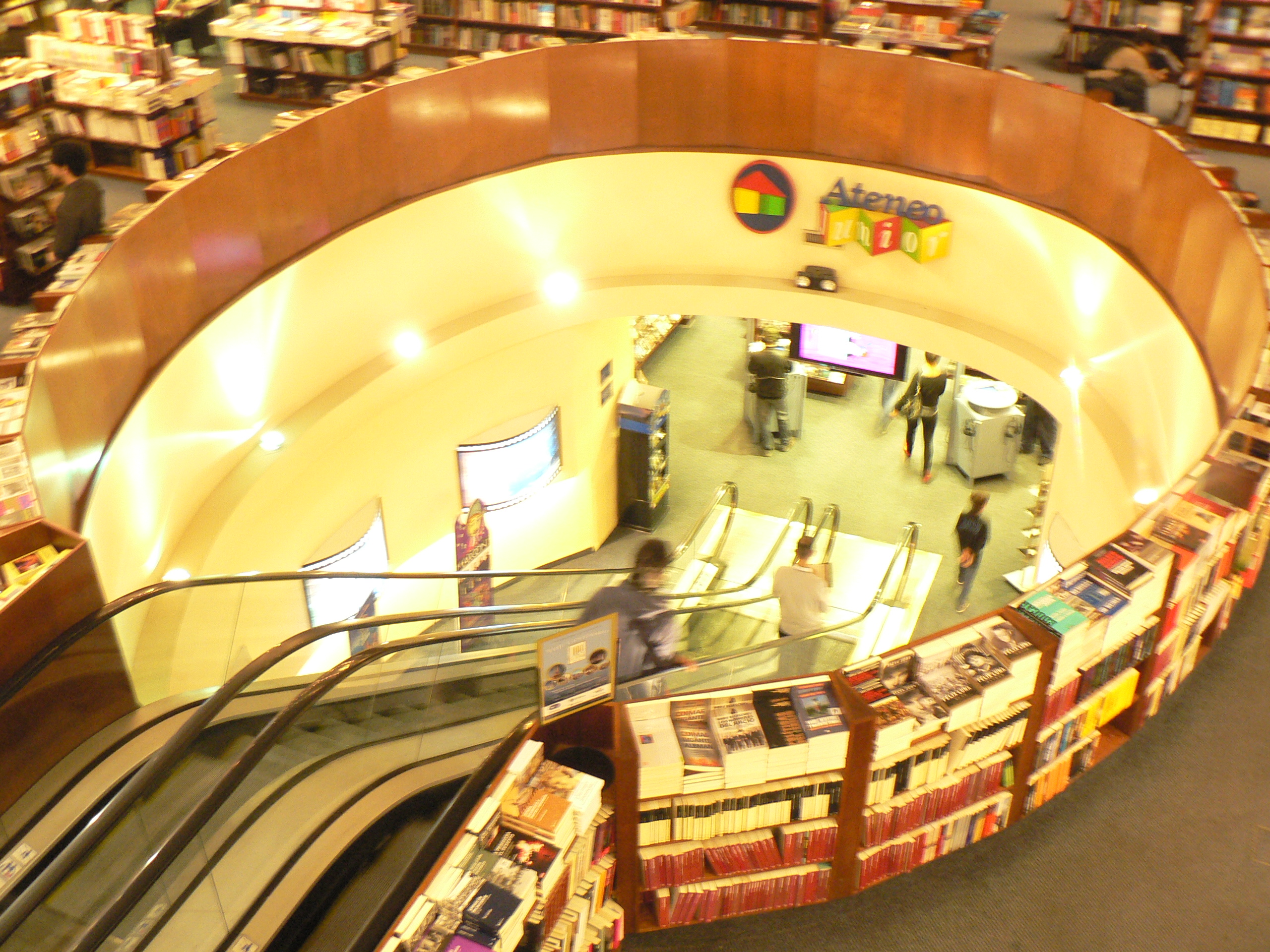
We visited Recoleta, a well-to-do neighborhood in Buenos Aires, and browsed at Cúspide Libros, a popular chain in Argentina. Here we found a collection spanning many subjects – politics, history, travel, art, design, cooking, current fiction and nonfiction, the classics, and more.

Cúspide Libros is in an upscale shopping mall.  In the U.S., you might not expect to find a bookstore with such a broad, deep selection of titles.

Our traveling companions, who live in New York City, commented that Buenos Aires seems especially devoted to bookstores and reading.

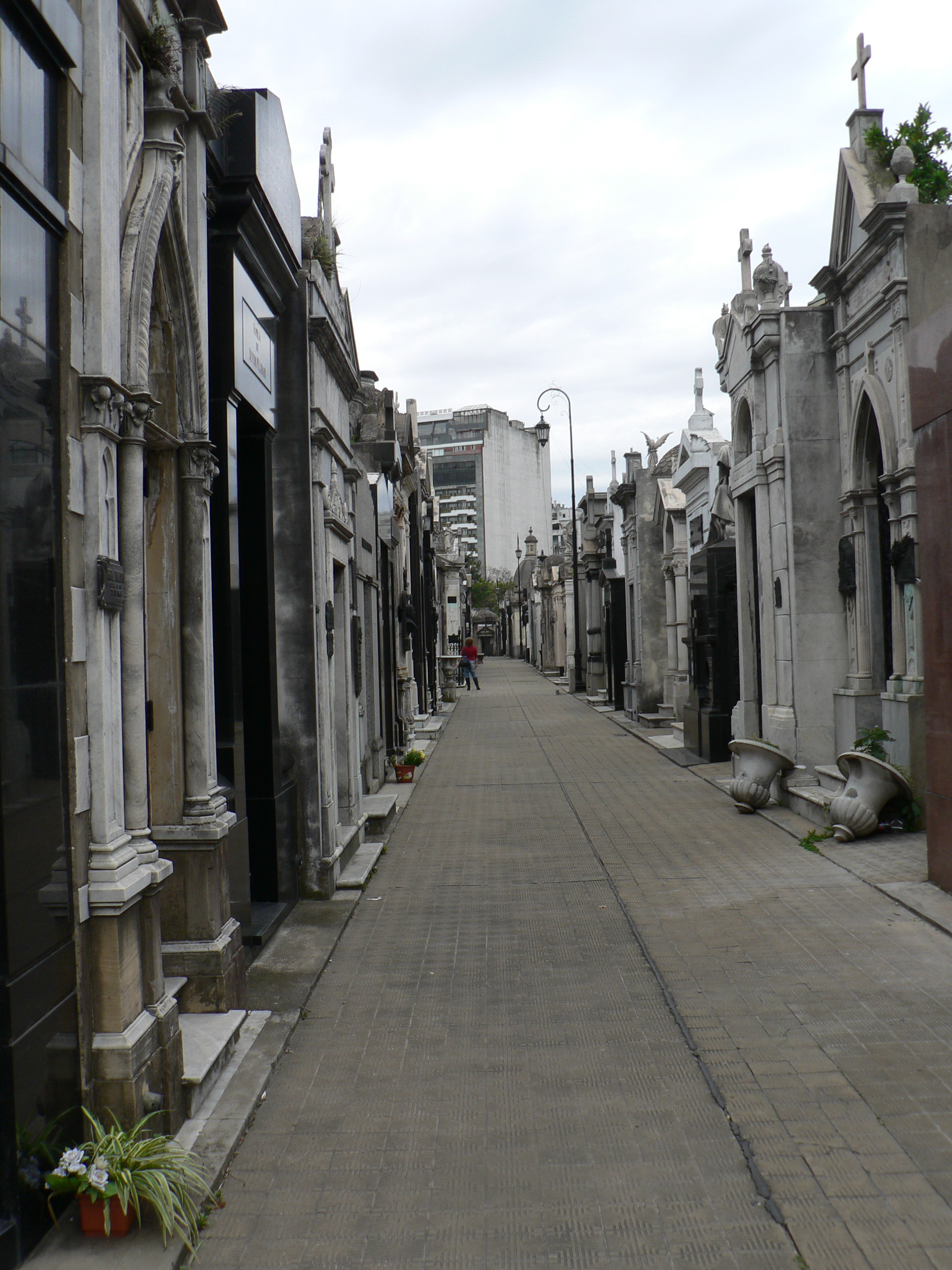
La Recoleta Cemetary is across the street, where many Argentinian notables have elaborate tombs. It’s a fascinating place, a dense grid of narrow walkways lined with mausoleums, some crumbling and in disrepair, others pristine. Despite the somewhat morbid undertones, it’s quiet and peaceful, a stunning outdoor art gallery.

Recolate angel

recoleta statue

Mother and children statue

Recoleta vault

recoleta angel

Recoleta cemetary

Recoleta angel

Recoleta cemetary

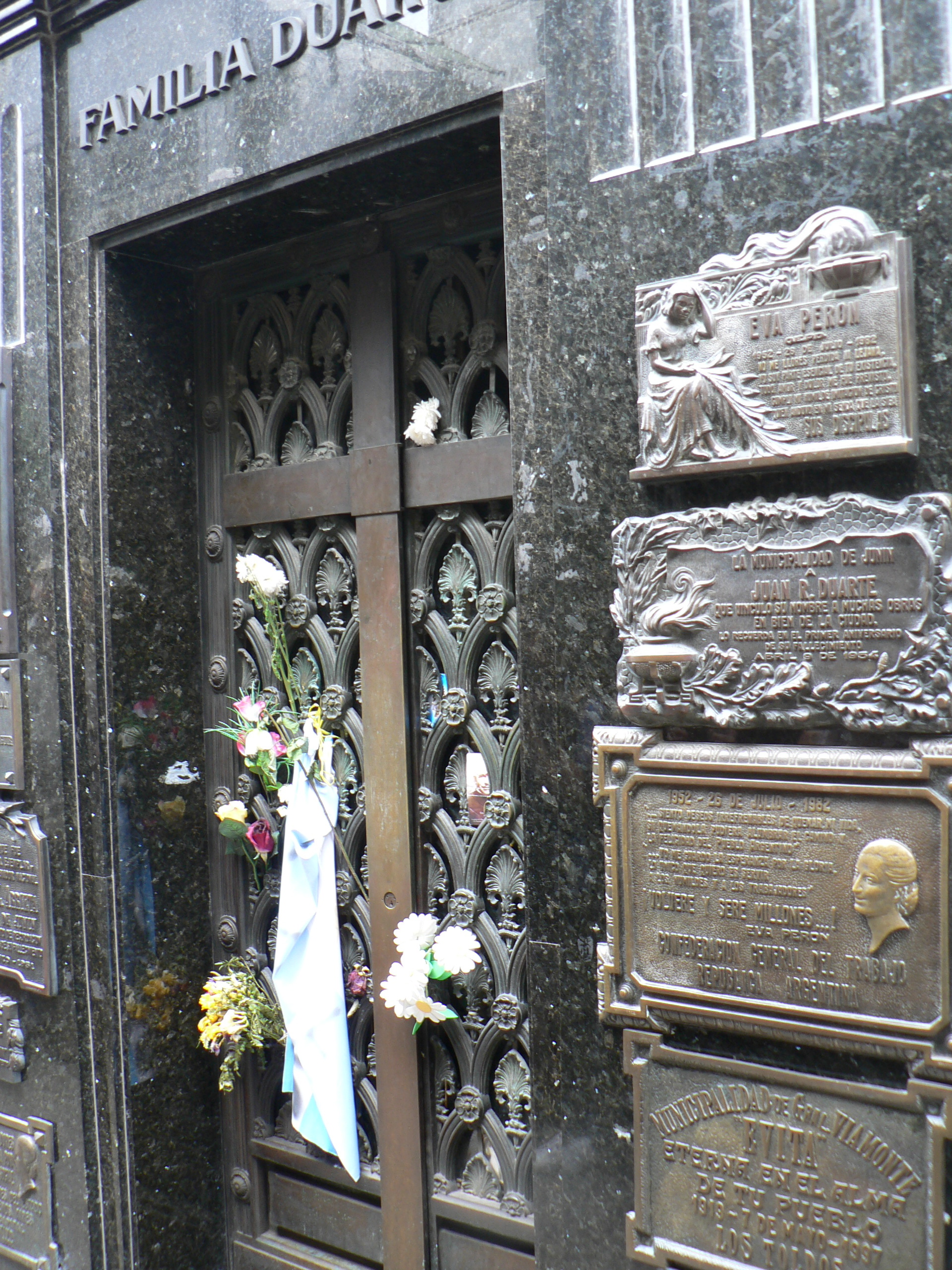
Eva Peron's final resting place
Eva Peron’s final resting place

Book shopping in Palermo Soho, Buenos Aires

[El Carrusel] nos permite viajar como viaja un niño. Dando vueltas y más vueltas y otra vez a casa…a un lugar en el gue sabemos que nos quieren.   Don Draper, “Mad Men”

The Carousel allows us to travel as a child travels. Going round and round and home again … to a place where we know we are loved. Don Draper, “Mad Men”

We visited Prometeo Libros, an excellent bookstore on Avenida Honduras in the Palermo Soho neighborhood of Buenos Aires.

Guia de Madmen cover

I bought Madmen: Reyes de la Avenida Madison, by Jesús G. Requena and Concepción Cascajosa, figuring if I’m familiar with the subject matter it will be easier for me to understand the Spanish. I like the quote especially because I produced slide shows for the Carousel when I worked for Kodak.

Also a collection of poems by Jorge Luis Borges, El oro de los tigres/La rosa profunda. Short bits of poetry are easier to understand than long prose passages.

children's books
Children’s books at Prometeo Libros

Cupcakes, shoes and many other fine things in the shop windows of Palermo Soho.

ShoesCupcakes

Quote from: MadMen: Reyes de la Avenida Madison, Jesús G. Requena and Concepción Cascajosa, Capitán Swing Libros, Madrid: 2010.

El Ateneo in Buenos Aires

El Ateneo stage cafe

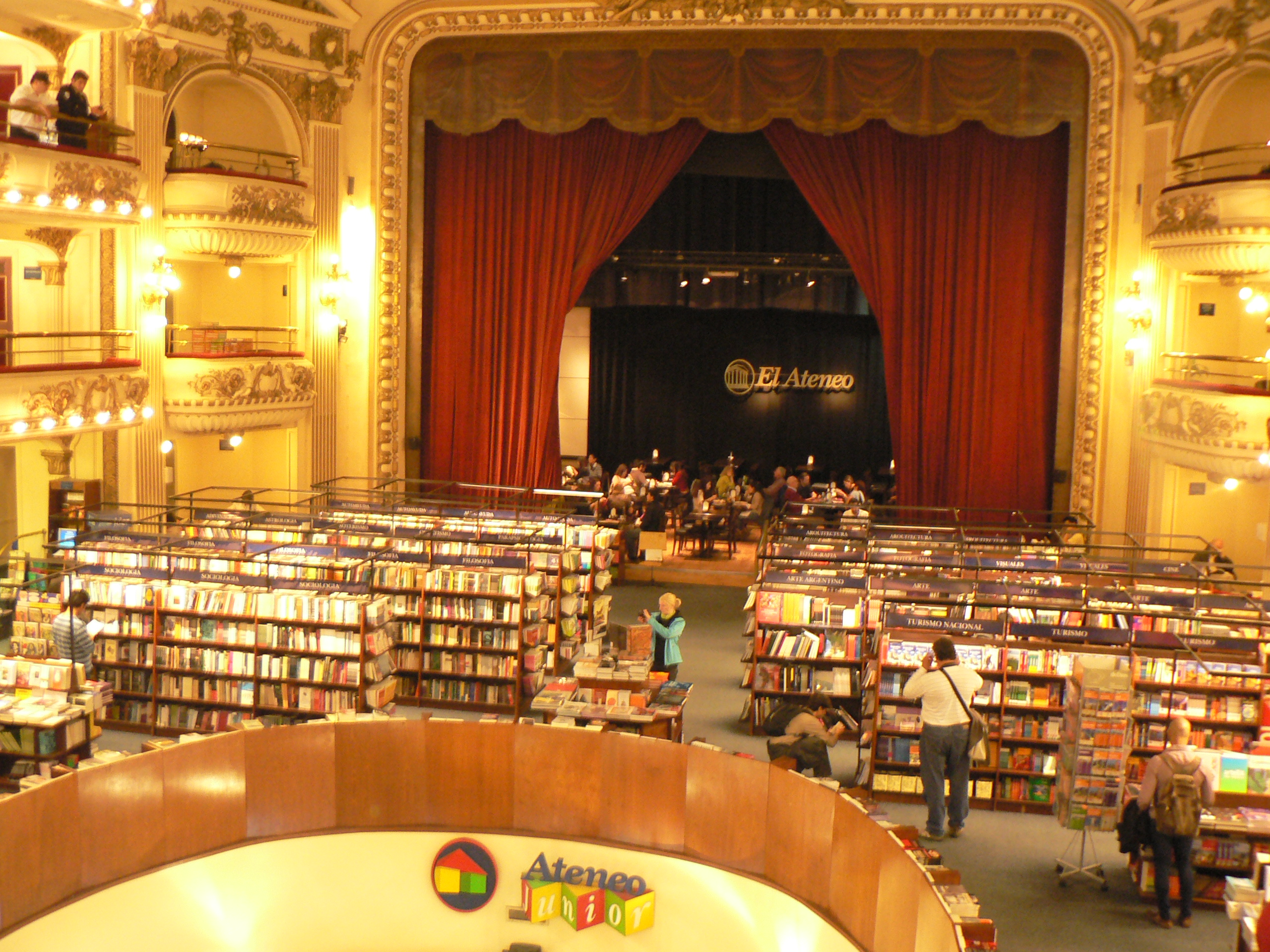
Monday was a holiday in Argentina, Dia del Respeto a la Diversidad Cultural, and many businesses were closed. We’d come across town to visit El Ateneo Grand Splendid, one of the largest and most beautiful bookstores in the world, and we were relieved to find it was open.

El Ateneo bookstore

This former theater in the Barrio Norte section of Buenos Aires featured some of the greatest tango artists and premiered the first sound films in Argentina.

El Ateneo ceiling

There are Italian ceiling frescoes and original theater boxes where you can relax and browse through books.

El Ateneo bookstore

We spent a couple of happy hours in the cafe located on the former stage.

El Ateneo bookstore

Visiting Buenos Aires

Angel sculpture

Angels, and poetry in the streets.

Poetry

Summer day meditation, week 4

water lily
I found this in the backyard pond this morning.

In meditation class, our instructor read a poem by Rumi about welcoming all emotions as you would a house guest, even the negative ones, as they may be clearing you out for something else.

Also a poem by Derek Walcott about loving again the stranger who was yourself, published in David Whyte’s book, The Heart Aroused: Poetry and the Preservation of the Soul in Corporate America. For a time, David Whyte was a visiting poet at a major corporation. I’ve never read a book quite like it.

You can sample some of David Whyte’s poems on his beautiful, rich website. David leads groups on hiking tours in Italy, England, and Ireland, where he reads his poetry and visits artists, cooks, gardeners, farmers, and other creatives committed to their locales.

I found enlightenment in the Pacific Northwest

In May, I happily stumbled on the secret to enlightenment when I attended the Medical Library Association (MLA) annual meeting in Seattle and vacationed with my family in the Cascades.

It all started with MLA speaker and best-selling author Steven Johnson, who told us about a theory he encountered while researching his latest book, Where Good Ideas Come From: The Natural History of Innovation.  (Steven is a great speaker, not to mention that he reminds me of one of my favorite Downton Abbey characters.)

Some believe the 18th century’s Age of Enlightenment occurred, in part, when the middle class switched from alcohol to coffee and tea as their beverage of choice. With clean drinking water scarce, people drank ale or wine, even for breakfast. When coffee and tea imports became available, many switched from alcohol – a depressant – to caffeine, a stimulant.

Coffeehouses, where “ideas [could] spill from one mind to another,” became popular, according to Johnson. “The coffeehouse was a multidisciplinary space.” (So are libraries, he said, in a nod to his audience.) People from all walks of life who normally would not encounter one another engaged in “a diversity of conversations.”

So, coffee and tea led people to a kind of hyperactive exchange of ideas, which in turn led to innovation.

Johnson predicts that the internet and social media are a new kind of global, virtual coffeehouse spawning another great age of innovation.

I experienced coffee and coffeehouses on an entirely new level during my stay in Washington. In Rochester, New York, we don’t have drive-through espresso kiosks as in the Pacific Northwest. They are ubiquitous in the Seattle area, even on the edge of wilderness. Up in the Cascades, if you need a dentist, quick, or someone who knows how to repair a transmission, you may be out of luck – but you can almost always find a cup of coffee.

My theory is, there is so little sunshine people need the caffeine to keep going.

At any rate, I also noticed that the Pacific Northwest has thriving literary communities. People here really appreciate books, and they love coffee, and they love combining the two.

For me, the combination of exceptional coffee, great bookstores, access to the internet and, last but certainly not least, absolutely stunning scenery and fresh, mountain air, was so invigorating. I felt the ideas flowing. Like I was on the verge of my own personal enlightenment.

The Elliott Bay Book Company, Seattle

The Elliott Bay Book CompanyWe spent several hours visiting The Elliott Bay Book Company, Seattle’s largest independent bookstore, which also has (of course) great coffee. Elliott Bay has a full roster of book signings and author readings, and a terrific blog. Here is what I bought there:

The Housekeeper and the Professor, by Yoko Ogawa

The Spiral Staircase: My Climb Out of Darkness, by Karen Armstrong

Zen in the Art of Archery, by Eugen Herrigel

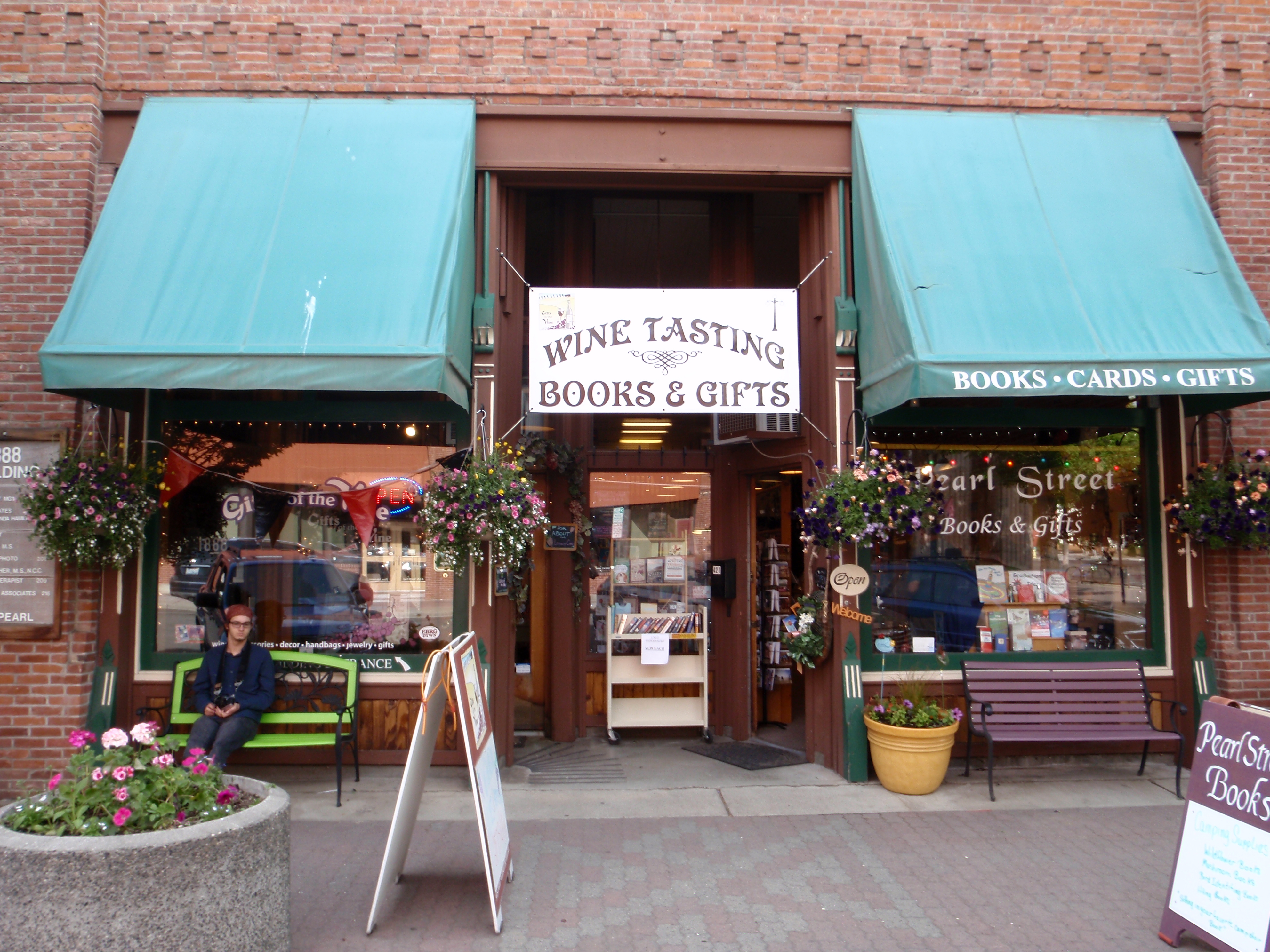
Pearl Street Books & Gifts in Ellensburg, WA. Pearl Street Books & Gifts

I wanted to see the high desert on the eastern side of the Cascades, so we drove to Ellensburg, WA, where we discovered the delightful Pearl Street Books & Gifts. Owner Michele Bradshaw is passionate about books and literature.  She and I talked about our reading interests. Michele enjoys making recommendations, and it’s obvious she puts a lot of thought into creative, customer-responsive bookselling.

I liked the Magic Table, a display of enticing best-sellers and high quality fiction and nonfiction. Quality is apparent on every shelf and surface in the shop, where carefully chosen books are displayed cover side up. Michele has put together a number excellent book collections, including young adult, children’s, fiction, memoir/biography, and Pacific Northwest authors.

Pearl Street Books & Gifts also hosts 11 book clubs, a tea club, a knitting club, and yoga workouts.

While I was there, I bought:

The White Cascade: The Great Northern Railway Disaster and America’s Deadliest Avalanche, by Gary Krist

The Big Burn: Teddy Roosevelt and the Fire that Saved America, by Timothy Egan

Booklust to Go, by Nancy Pearl

Queen Anne Books

Cover of Some Assembly Required by Anne Lamott Climb, climb, climb Queen Anne Avenue in Seattle and you’ll be rewarded at the top of the hill with tree-lined streets and all manner of shops, including Queen Anne Books. On the shelves are literally hundreds of hand-written staff recommendations, the sign of a great bookstore. Here, Windee recommends Anne Lamott’s latest book about her new grandson, Some Assembly Required.


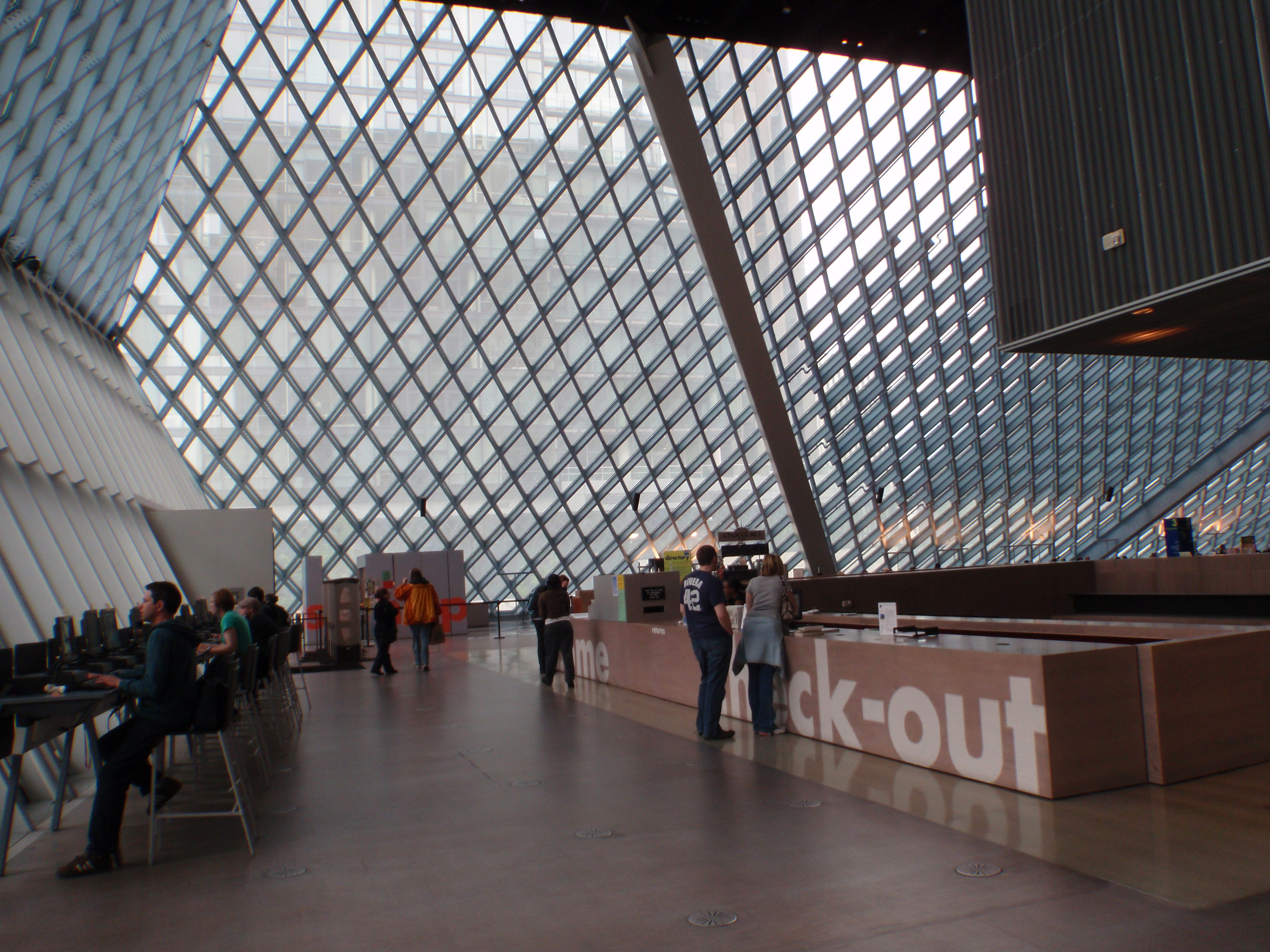
Seattle Central Library The Seattle Central Library, designed by Dutch architect Rem Koolhaas and a local architectural firm.

I had a great time this spring walking the Pacific Crest Trail with Cheryl Strayed (who has just inspired Oprah Winfrey to revive her book club!), sailing the waters off British Columbia with M. Wylie Blanchet and her children, clearing forest trails with Ana Maria Spagna, and observing life through the eyes of the characters in Denis Johnson’s Train Dreams.

In June: The Lifeboat by Charlotte Rogan

“Today I shocked the lawyers, and it surprised me, the effect I could have on them.”

This is the opening line of The Lifeboat by Charlotte Rogan (first-time, best-selling novelist making her debut at age 57, wrote novels in secret for 25 years when the kids were at school), which I’ll be reading in June.

Highlights from the jacket copy: 1914. A bride on her honeymoon. Adrift on the Atlantic Ocean. Not enough to go around. A power struggle. Choosing sides.

Will you read it with me?

Quote from: The Lifeboat, Charlotte Rogan, Little, Brown and Company, New York, 2012.

Going where time doesn’t exist with M. Wylie Blanchet

“Her voice, forty years after her death, is timeless. In the end, I did not want to get off the boat, or let her go.” Timothy Egan, in his introduction to The Curve of Time: The Classic Memoir of a Woman and Her Children Who Explored the Coastal Waters of the Pacific Northwest, by M. Wylie Blanchet

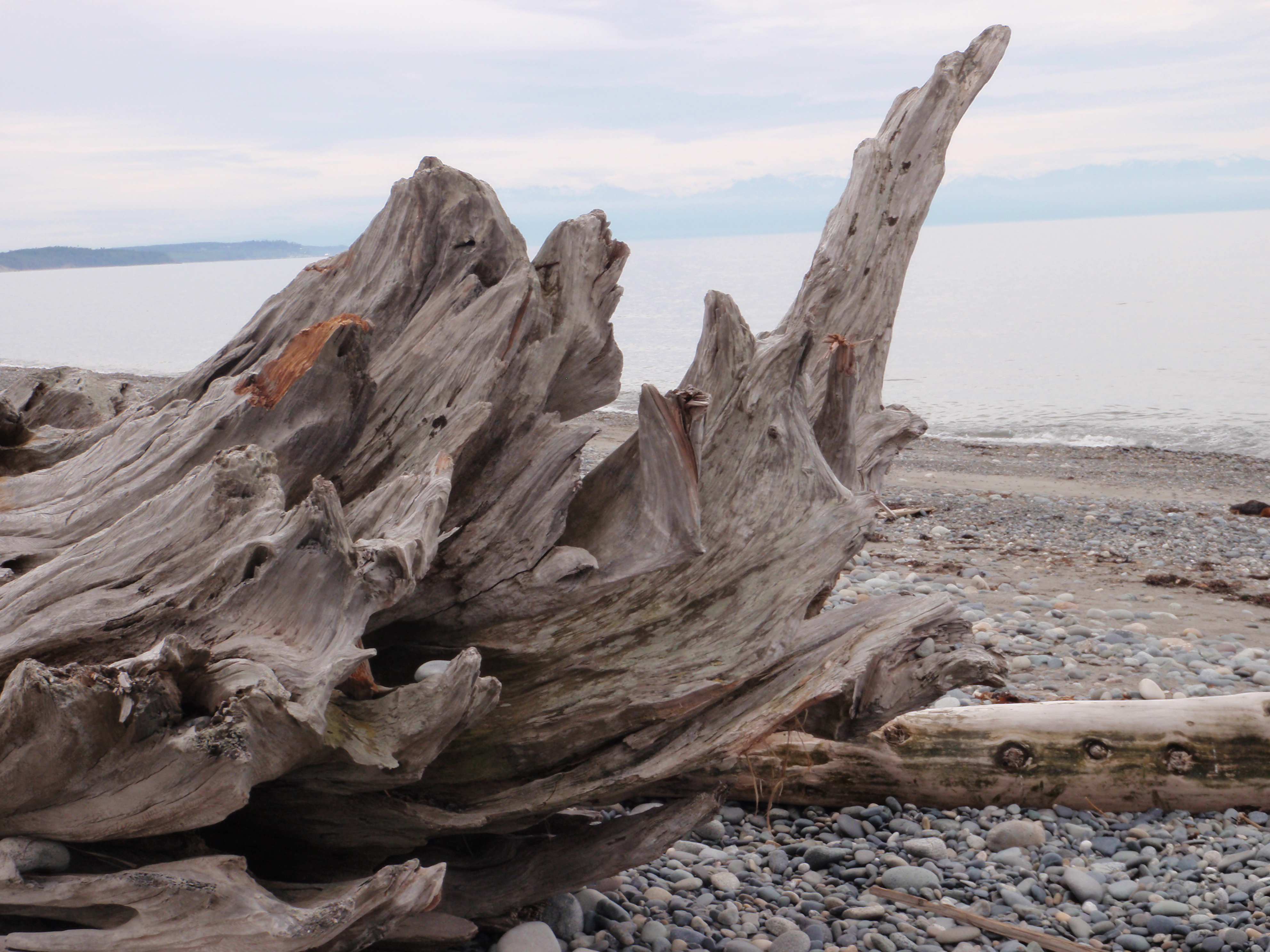
Whidbey IslandIf you want to read this treasure of a memoir you’ll have to do a bit of work. It’s out of print, so I ordered it from a used bookstore listed on Amazon. I love finding small packages on my doorstep from faraway bookstores. Blanchet and her five (FIVE!) children spent many summers on their 25-foot boat, the Caprice, exploring the British Columbia coast. This, after Blanchet’s husband had been lost at sea on the Caprice – only the boat was found. Driftwood

Often, Blanchet followed the route of Captain Vancouver, who explored the waters in 1792. She read a copy of Vancouver’s diary to her children, and they tried to identify landmarks the sea captain had written about.

They followed no particular schedule except for being mindful of tides and weather, stopping when they pleased to explore little islands, hidden coves and beaches, and secluded inlets and bays that often didn’t show up on the map.

“We were very comfortable in the daytime with everything stowed away. The cockpit was covered, and had heavy canvas curtains that fastened down or could be rolled up. There was a folding table whose legs jammed tightly between the two bunks to steady it….We washed our dishes (one plate, one mug each) over the side of the boat; there was a little rope ladder that could be hung over the stern, and we used that when we went swimming.” Whidby Island

Her stories remind me of our many trips over the years rediscovering nature through the eyes of our children. This is the kind of book you’ll want to read aloud with children and grandchildren. Blanchet’s children were amazingly hardy and brave, often finding themselves with their intrepid mother doing things I couldn’t imagine doing with my children: crawling on a log suspended over rapids, exploring Native American burial grounds (in which bodies were “buried” dangling from trees in nets), making their way along a cliff in fog on a slippery, snowy mountaintop.

Few children today will have these kinds of adventures. Much of the wild, pristine country Blanchet wrote about in The Curve of Time has been developed. “I lighted a fire [on the beach] and piled it up with bark…We always carried a rack for broiling fish. Soon they were spluttering and browning over a perfect fire, which I raked over between two flat stones. We built it up with more driftwood…The Northern Lights were edging this way…and that way…across the northern sky – reaching above us – white and elusive, then retreating hurriedly down to the horizon.”

Langley Public Library, Whidby Island All photos were taken on Whidbey Island.

The quotes are from: The Curve of Time: The Classic Memoir of a Woman and Her Children Who Explored the Coastal Waters of the Pacific Northwest, M. Wylie Blanchet, Seal Press, Berkeley, CA, 1968.

__________________________________

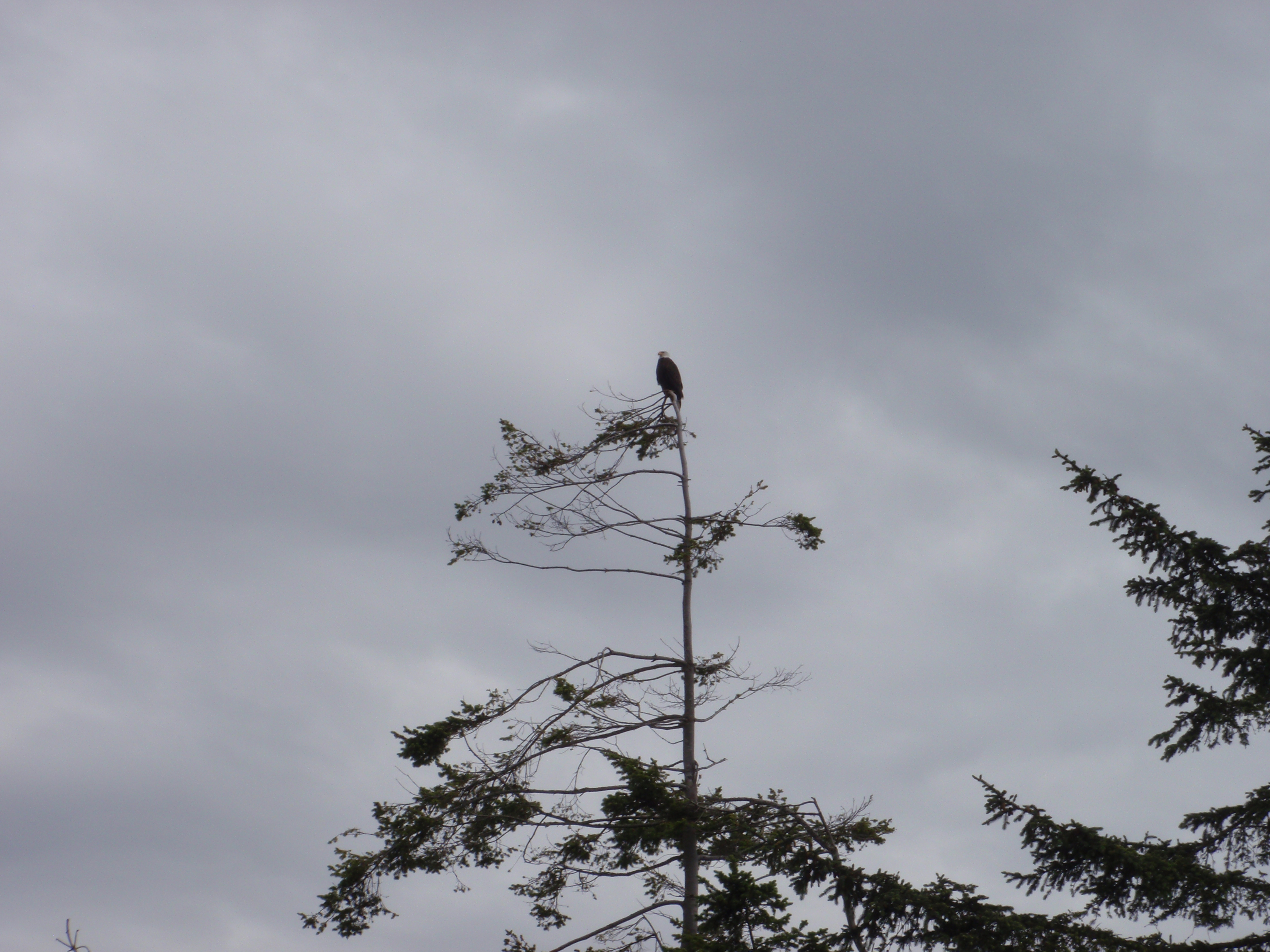
Bald Eagle, Whidby Island

Living on the edge of wilderness

Cascade wildflowersI’ve been keeping company with Ana Maria Spagna’s essay collections, Now Go Home: Wilderness, Belonging, and the Crosscut Saw; and Potluck: Community on the Edge of Wilderness while we’ve been vacationing in the Cascades.

After college, Spagna made a commitment to work on trail crews for the National Park Service in spring, summer, and fall, and to travel during the winter months. Eventually, she settled in Stehekin, Washington, a remote town in the northern Cascades, where she and her partner built their own house. I believe she still works the trail crews several months out of the year.

I tend to romanticize what it would be like to call such a place home. In her essays, Spagna captures the glamour and majesty of living surrounded by natural beauty, but she also writes about the never-ending challenges.

Ana Maria writes about how Republicans and Democrats, liberals and conservatives, tree huggers and loggers, religious fundamentalists and atheists get along (or don’t) in a small community.

There are the forest fires, flash floods, and avalanches. There are the costs incurred to keep residents of these areas safe from natural disasters, costs often borne by taxpayers who live in more populated areas.

It hadn’t occurred to me that precautions to prevent forest fires may cause the buildup of flammable, dense growth that could result in The Big One, a massive fire that destroys everything.

Spagna’s writing is important. She’s a voice from another world, the last bastions of nature, a voice whose wisdom we need to hear.

Here are some of my favorite quotes:

“I visited the Magic Kingdom thirty-seven times before I turned nineteen, and by then I craved something, anything, that would be the antithesis of Disney, the real thing. That’s what I found on the highway: places you can count on, places where in the morning without fail, there will be coffee at the gas station heading out of town….[and] people who….were honest, if quirky, and unexpectedly generous, and they lived an ethic that the land itself, no matter how pretty, can’t teach…..The Golden Rule.”
View from Spirit Lake trail
“These places…wilderness areas, national parks – are supposed to transform us, make us new…..they do not continuously dispense spiritual wowness like a fountain….I stripped myself of everything to be out there–out there!–and the problem with being out there is that then it is not out there anymore. It is more like in here….you can’t be made new at home.”

Quotes are from Now Go Home: Wilderness, Belonging, and the Crosscut Saw, by Ana Maria Spagna, Oregon State University Press, Corvallis, 2004.

Bridal veil falls