
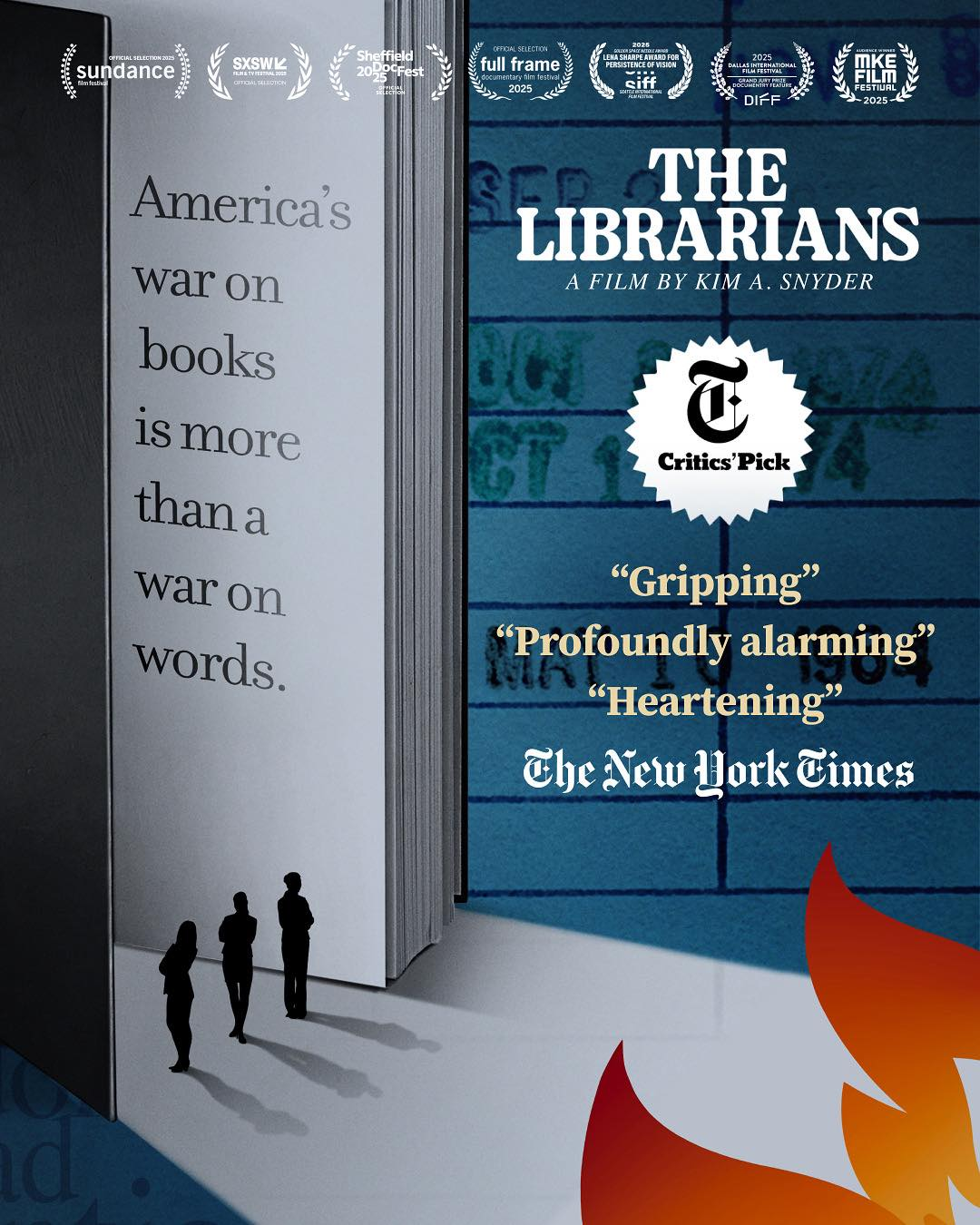
“I’m doing a criminal investigation of your staff. Essentially, the librarians are my suspects.” – county chief deputy officer entering a Texas public school library (transcript of body cam footage from The Librarians documentary )
On Friday evenings, I like to have a glass of wine, make a nice meal, and maybe watch some mindless TV with my husband. But not on this particular Friday night last fall.
Our local public library was hosting a showing of the documentary The Librarians, about book banning in America and, obviously, I wasn’t going to miss it. (For those of you new to my blog, because I’m an avid, lifelong reader, an academic librarian by training, a former children’s book editor, and a writer. And because, of course, Books Can Save a Life!!!)
Every seat was filled. At least half a dozen librarians were in the audience, and I had the good fortune to sit next to one. So I had a kindred spirit nearby as we channeled our disbelief and outrage while, on the screen, one hard-to-believe book-banning drama after another played out in Texas, Florida, Louisiana, and New Jersey.
“This is not a communist nation. You do NOT get to pick our reading material. It is ours.” – Suzette Baker, former Llano County Head Librarian, Texas, fired when she refused to take How to Be an Antiracist by Ibram X. Kendi and Between the World and Me by Ta-Nahesi Coates off the shelves.
Right now we are an embarrassment in the state of Florida.” – The Reverend Jeffrey Dove, Clay City, Florida
I could focus on any number of issues regarding the documentary, such as First Amendment rights, the definition of pornography, the removal of marginal voices from American libraries, or what, exactly, is deemed educationally unsuitable. But what most shocked me was how deeply divided communities have become and how harshly some book banners treat community members they may have known or worked alongside for years.
Our library featured a panel discussion, and at some point, someone used the term “religious psychosis,” which resonated with me. I found the story of Weston Brown and his mother a heartbreaking example of this, difficult to watch. Weston, who is gay, was disowned by his mother, Evangelical Christian Monica Brown, and is not allowed to be part of his siblings’ lives.
After she began publicly advocating for the removal of LGBTQ+ themed books from school libraries in their Texas town, Weston spoke out against book banning at a school board meeting that his mother attended. She then came to the podium and, ignoring her son, spoke passionately (and in crude, offensive language) about banning certain books that had been carefully vetted by librarians.
Another thread in the documentary featured the Reverend Jeffrey Dove in Clay City, Florida, who became concerned about the Llano County library director, who had been slandered by community members and removed from her job. What struck me was the sight of Reverend Dove, who is Black, patiently waiting for three hours to speak while the town council (all white) ignored him. When he was finally allowed to speak, Reverend Dove defended the library director and highlighted the value of the banned titles. His is truly one of the most eloquent voices in the documentary.
It seems to me that some have been blinded by a kind of irrational and dangerous religious and/or political fervor that overrides our common humanity.
On February 9, 2026, The Librarians will air widely across the country on the PBS program, Independent Lens. You can also check the listings on The Librarians website to see if it is coming to your city. Better yet, contact your local library and ask them to host a viewing.
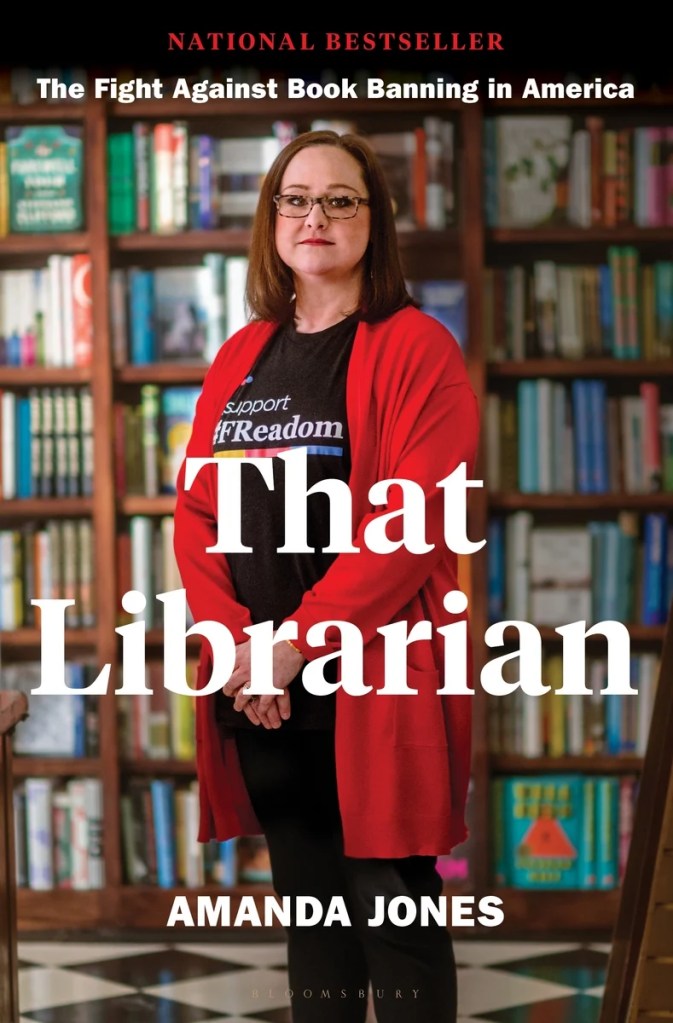
School librarian and anti-censorship advocate Amanda Jones tells the story of her efforts to fight book banning in her hometown of Louisiana Parish, Louisiana. Her life was upended, and she felt compelled to tell her community’s story, which is playing out across the country. She says in the memoir that she doesn’t see herself as a writer, and I do wish that she’d had a better editor. Nonetheless, That Librarian is an important and revelatory testimony about book-banning efforts in America.

 “What Americans need, so that they can stop struggling so hard to be super-achievers, is simple: affordable high-quality health care, day care, education, living wages, and paid vacation….It’s not that Americans don’t realize that they need to relax, as Ariana Huffington seems to think. It’s that they can’t afford to.” –
  “My name is Sherman Alexie and I was born from loss and loss and loss and loss and loss and loss and loss and loss and loss and loss and loss and loss and loss.
 “Humans are free. We can commit suicide for the benefit of a Singularity. We can engineer our genes to better support an imaginary hive mind. We can make culture and journalism into second-rate activities and spend centuries remixing the detritus of the 1960s and other eras from before individual creativity went out of fashion.
 I haven’t had a chance to synthesize my thoughts about You Are Not a Gadget. Before too much time goes by and I forget what I read, I wanted to at least post a few of my favorite quotes from the book, which inspired me as much as Who Owns the Future?
 I am not a practicing enemy of the people, but as an undergraduate, my minor area of study was how to be an enemy of the people. I liked it so much I studied it in grad school, too. I have a brother whose previous job at a major newspaper was to help oversee the printing of work by enemies of the people for distribution to an entire city. When I was a librarian, my colleagues and I taught how to tell the difference between authentic enemies of the people and fake enemies of the people.
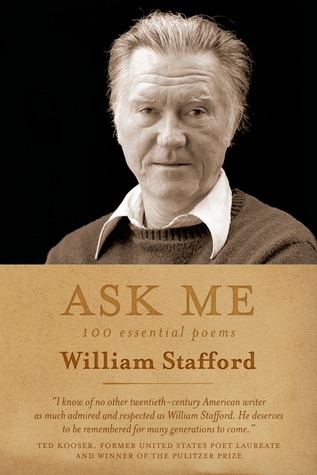 He had an early morning writing practice, and he never missed a day. Kim Stafford introduced us to his father’s writing process, gleaned from the stacks of journals William Stafford left behind. Kim encouraged us to relax into our writing, to be seekers as William Stafford was, to experiment and explore.

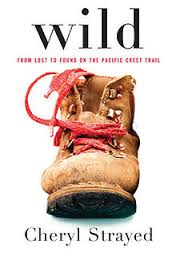
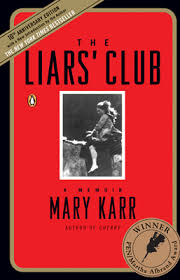 You may or may not know that memoirs have a REALLY bad reputation in some quarters.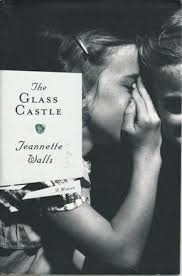
 Books Can Save A Life