Packing for Paris

Books

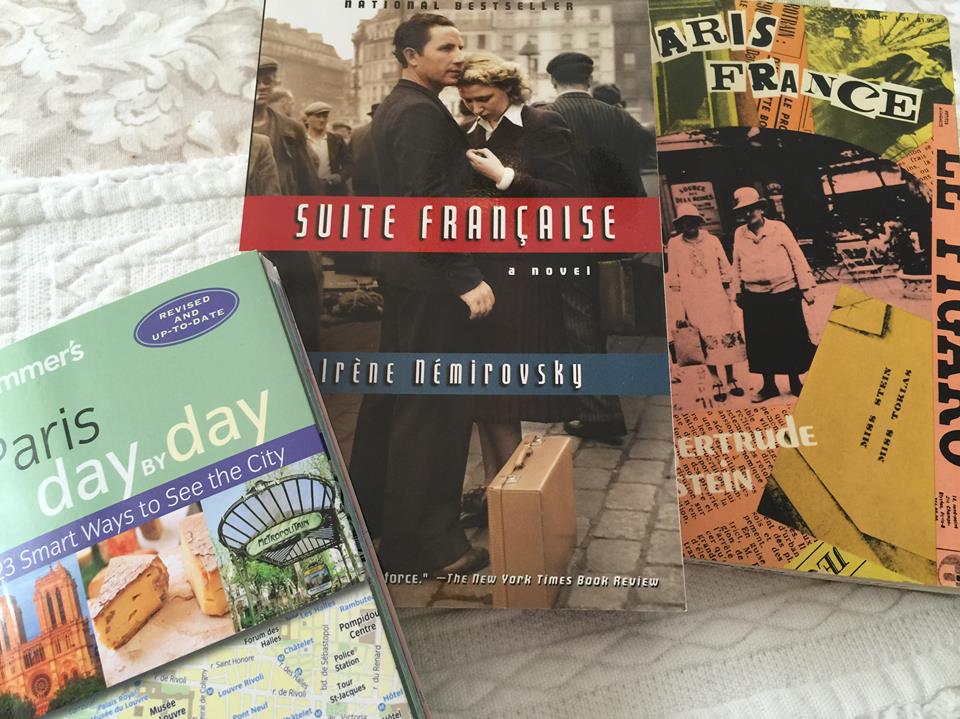
I try to make my traveling adventures reading adventures, too. We’re headed to Paris to see our son, with a two-day stop in London, my first visit to both cities.

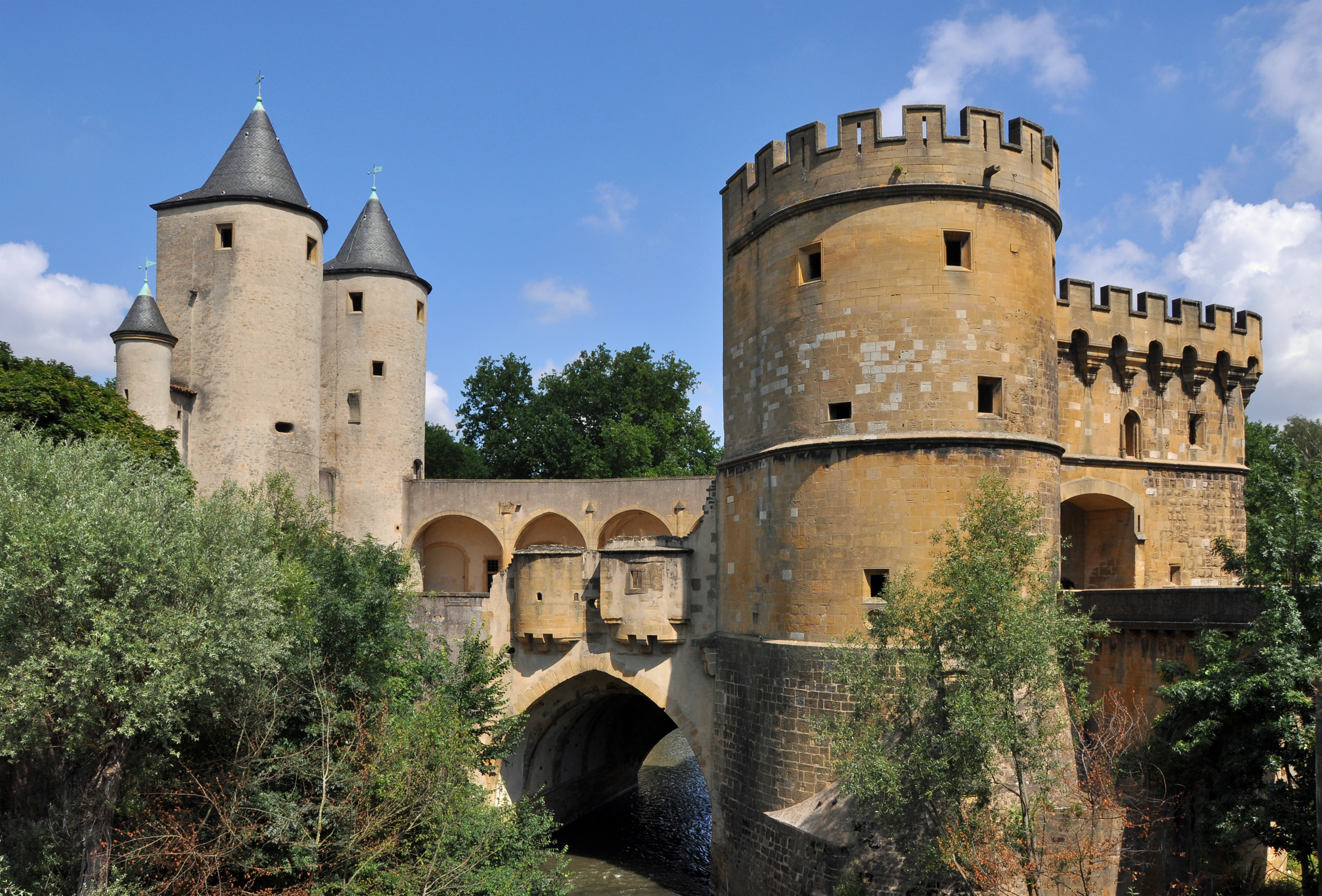
Then we’ll go to Metz, France for a couple of days, with a road trip to Luxembourg City. In World War II, my father fought in the battle of Metz, and we think we’ve figured out approximately where he was wounded (on November 14, 1944). So we’ll investigate and see what we find.

My father spent a weekend in Luxembourg City just before the battle and had an interesting story to tell about that, which I’ll share in an upcoming post.

Metz
Metz, France (Wikipedia)
Luxembourg City
Luxembourg City (Wikipedia)

Besides Gertrude Stein, Irene Nemirovsky and our trusty travel guides, I’m bringing Henry Miller and Ernest Hemingway. (No books related to London because I won’t be able to contain myself in the bookstores.)

Tropic of Cancer book cover
One of the most banned books in history

A Movable Feast Book Cover

I’ll share my impressions, literary and otherwise, in upcoming posts.

Which books or authors would you recommend to a reader visiting France? Please comment!

Winter reading

Stack of books


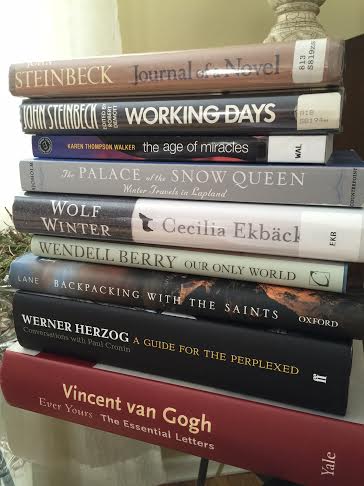
I’ve been out of town. A stack of books from the library and online were waiting when I got home.

The Steinbeck work journals for East of Eden and The Grapes of Wrath are recommended by Louise De Salvo in The Art of Slow Writing as essential if you’re writing a book-length work and want to learn about process.

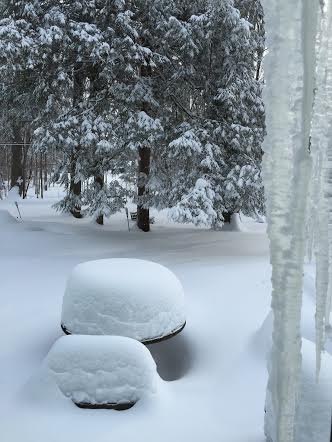
Deep snow in backyardThe Age of Miracles is this year’s selection for “If All of Rochester Read the Same Book.” We love to read through the deep winters in our part of the world, and this novel of catastrophe and survival will be on many a nightstand here. Why not try it along with us – I’ll be writing about this debut novel by Karen Thompson Walker soon.

The Palace of the Snow Queen: Winter Travels in Lapland, a memoir, and Wolf Winter, a novel. I want to know more about my Scandinavian roots; biography, memoir, and fiction are a great way to explore ancestry and heritage.

Wendell Berry’s Our Only World (ten essays), because Berry is one of our greatest prophets, writing about the clash between humanity and nature and how we must do better. He’s been called a modern-day Emerson or Thoreau.

Backpacking with the Saints, a travel narrative and spiritual memoir. Belden C. Lane’s take on Celtic, Catholic, Protestant, Buddhist, Hindu and Sufi Muslim writings as he treks the Ozarks and the American Southwest. The book jacket compares him to other lovers of the backcountry, including John Muir and Cheryl Strayed, whose memoir, Wild, was just released as a movie.

Werner Herzog: A Guide for the Perplexed, is an overdue Christmas gift for my photographer son. This newly published series of interviews with the filmmaker is so popular it’s been out of stock. I hope he finds it worth the wait.

No one writes about creating art with as much love and eloquence as Vincent Van Gogh.

More about these in upcoming posts at Books Can Save a Life.


The Narrow Road to the Deep North

“On the bedside table by the living Buddha, now dead, was an old copy of Basho’s great travel journal The Narrow Road to the Deep North. Hashimoto opened it to a page marked with a dry blade of grass. Days and months are travellers of eternity, he read. So too the years that pass by.”   (Last book read before death by a WWII Japanese commander of the Thai-Burma Death Railway, in Richard Flanagan’s The Narrow Road to the Deep North)

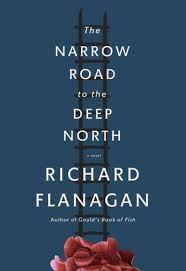
The Narrow Road to the Deep North book coverRichard Flanagan’s father was one of nearly 3,000 Australian POWs who worked on what became known as the Thai-Burma Death Railway in World War II. Flanagan’s father survived. According to Wikipedia, estimates of the death toll are guesses: about 180,000 Asian civilians and 60,000 Allied POWs labored on the railway under inhuman conditions battling cholera, starvation, and beatings. Some 90,000 perished, including over 12,000 Allied POWs. Over 100 Japanese and Koreans were tried for war crimes, and 32 were sentenced to death.

I’m partial to WWII novels, but I don’t know much about the Pacific theater of the war, and next to nothing about the prisoners of war who worked on the Thai-Burma Railway. I’m so glad I read The Narrow Road to the Deep North and encountered Flanagan’s extraordinary writing, but do not attempt it unless you can stomach brutally explicit prose about hellish conditions.

An Australian surgeon, Dorrigo Evans, tries to save as many of the men under his command as he can, but his efforts are mostly futile. We see Dorrigo as a young boy in Tasmania, as a young soldier in an affair with his uncle’s wife who is the love of his life, as a prisoner of war, and as an older, successful, but deeply scarred surgeon and war hero.

There are several moving, intimate, stream-of-consciousness portrayals of other Australian POWs under Dorrigo’s command  as well. Especially riveting is a scene in which the Japanese commanders, cruel and relentless in their mission to get the railroad built, discuss the fine points of haiku. Flanagan follows these men after the war, too, those who managed to have others take the fall for their crimes, and their amazingly clear consciences after the war.

The Narrow Road to the Deep North won the Man Booker Prize and has received many excellent reviews. Michiko Kakutani of The New York Times  is more mixed in her review: she feels that Amy, Dorrigo’s lover, should have been excised from the book for the sake of unity and coherence; she describes Flanagan’s writing about the love affair as “treacly prose,” whereas I found many of these passages beautiful. I disagree with her assessment here.

Have you ever thoroughly loved a book or movie only to encounter a respected critic who points out how seriously deficient or flawed is the thing you absolutely love? At this link is an especially vicious review in the London Review of Books. Flanagan must have poured his heart and soul into writing about a terrible time that his father survived, and he spent years working on the novel. This negative review is not reasoned literary criticism that I value or trust, and I wonder what motivates the critic. Sometimes I think critics analyze so much creative work they become jaded, unable to approach a novel or movie in a fresh, unbiased way.

By the way, I don’t consider my blog posts to be book reviews or literary criticism. My intention is to write about how a book affects me, personally, or how I think it might affect you, the reader, or why it may be especially significant in some way. If I don’t feel a book is well written, or if it doesn’t speak to me in some strong way, I don’t write about it here.

I’ll leave you with a passage I especially love, about POWs newly home from the war:

“He brought the fish and chips to their table, then filled some small glass tumblers behind the counter with red wine and brought them out too. Then he sat with them. As they ate, he let them talk. When they flagged he talked of how such a winter meant it would be a good summer for apricots, yes….Then he started up about his own life….How people told him coming to his fish shop made them happy. He hoped that was true. I really do, he said. That’s a life….The old Greek made his own coffee for them – little cups, thick, black and sweet – and he gave them walnut pastries his daughter had made….The simple chairs felt easy, and the place, too, felt right, and the people felt good….”

The Narrow Road to the Deep North illustration


The Narrow Road to the Deep North book coverBasho’s The Narrow Road to the Deep North, written in the 17th century, is a classic work of haibun, which melds haiku with prose. It makes for excellent reading alongside Flanagan’s contemporary novel.

Have you ever encountered scathing criticism of writing that you love? How does it make you feel? Does it alter or influence your opinion of the work?



Books from Around the World, Under Our Tree

The Narrow Road to the Deep North Book CoverThe Narrow Road to the Deep North, by Richard Flanagan. This World War II novel about an Australian surgeon in a Japanese POW camp won the 2014 Man Booker Prize.  (The purpose of this UK prize is to bring quality fiction to intelligent general readers who might otherwise not hear about the work.) The prisoners helped build what became known as the Thailand-Burma Death Railway. The Narrow Road to the Deep North book cover The books is named after one of the most famous books in Japanese literature, written by the 17th century Japanese poet Matsuo Basho. I plan to read the books together. I’ll let you know how that works out.


A Platter of Figs cookbook coverA Platter of Figs and Other Recipes, by David Tanis I like this cookbook because it’s about eating with the seasons, and it features uncomplicated family meals you can easily make at home. Sections include “How to Cook a Rabbit,” “Feeling Italian,” “Nuevo Mexico,” “Peasant from a Parisian Kitchen,” and “Hot Day, Cold Chicken.” David Tanis is the head chef at Chez Panisse in Berkeley six months of the year; the other six months he lives in Paris, where he prepares meals in a tiny galley kitchen for his private dining club. I will read any cookbook affiliated with Alice Waters and Chez Panisse. My son bought this book at Spoonbill & Sugartown Booksellers in Williamsburg.


Cereal magazine coverCereal: Travel & Lifestyle Magazine, Vol. 8 Click on this link right now and visit Cereal, a stunningly photographed and designed magazine and online journal. This volume features, among other things, a section on Yukon, Canada with spreads on Kluane National Park & Reserve and the Demptster Highway which leads to the Arctic Circle. (Someone in the family has been to the Arctic Circle via the Dalton Highway.) This mag’s style and visual aesthetic reminded me of a cookbook and lifestyle book I received last Christmas, The Kinfolk Table: Recipes for Small Gatherings. (Kinfolk is a magazine, too.) So I got out the book and saw there are a couple of recipes and a profile of food writer Rosa Park, who happens to be the editor of Cereal. Both Cereal and Kinfolk are beautifully designed and photographed, wonderful for browsing.


Southern Light: Images of Antarctica book coverSouthern Light: Images from Antarctica, by David Neilson. Someone in our family dreams of visiting Antarctica.  This is a luscious collection of black and white and color photos, including several gatefolds that open up to three panels of photos on each side. At least seven kinds of penguins, all the major mountain ranges, Deception and Elephant Islands, historic exploration sites, and essays on climate change, too. Our son bought this book at Strand Books in New York. (“Come for the books and stay for the synth musik.”)


RHS Vegetables for the Gourmet Gardener book cover

RHS Vegetables for the Gourmet Gardener, by Simon Akeroyd. To feed my gardening habit and enrich my gardening and nature writing. RHS stands for Royal Horticultural Society, the UK’s leading gardening charity. This beautiful book was designed and produced by Quid Publishing in England, the same publisher that produced another volume I own, RHS Latin for Gardeners.

Our son purchased this at Daunt Books for Travellers in London. On the bookmark tucked inside:  “The heart of Daunt Books is an original Edwardian bookshop with long oak galleries and graceful skylights. Its soul is the unique arrangement of books by country – where guides, novels, and nonfiction of all kinds will interest traveller and browser alike.” If I ever get to London this shop will be on my bookstore list.


Four Seasons in Rome book coverFour Seasons in Rome: On Twins, Insomnia, and the Biggest Funeral in the History of the World, by Anthony Doerr. If you read my blog, you know I’ve been wild about Anthony Doerr lately. His novel, All the Light We Cannot See, was a National Book Award finalist and has become a bestseller. He happened to visit Rome when Pope John Paul II was dying and attended the vigil. I can’t wait to see Doerr’s take on this fabulous city.


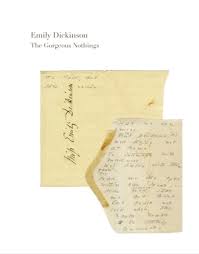
The Gorgeous Nothings book coverEmily Dickinson: The Gorgeous Nothings, by Marta Werner, a scholar of poetry, and Jen Bervin, a visual artist. No other book is quite like this one – a work of art, a facsimile publication of Emily Dickinson’s poems as she wrote them on fifty-two envelopes. These artifacts let the reader see Emily’s original line breaks and words spread across the entire space of a page, together with variant word lists that are meant to be part of the texts themselves. Reading these poems in their original medium, as opposed to in a traditional typeset book, is an entirely different experience.


My Struggle book coverMy Struggle, Book Three, by Karl Ove Knausgaard. My son has read the first two autobiographical novels in the hugely popular series (there are to be six!) by the Norwegian author, published in 22 languages. I hope to tackle the first two volumes myself this year.


Berlin Wonderland book coverBerlin Wonderland: Wild Years Revisited 1990 – 1996 Amazing photos by seven photographers documenting the wild, artistic subculture that bloomed after the Berlin Wall came down. One of our sons is studying in Germany and bought this at Hundt Hammerstein in Berlin, a gift for the photographer in our family. The text is in English and German.


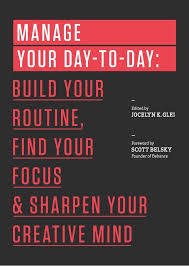
Manage Your Day to Day book coverManage Your Day-to-Day: Build Your Routine, Find Your Focus & Sharpen Your Creative Mind, edited by Jocelyn K. Glei. This is a great little book about how to meet creative goals and fulfill your calling rather than spend your days reacting to the demands of social media and new technology – a huge issue creative souls in the past did not have to deal with. Creative work, in the context of this book, can be anything from painting to starting a business to launching a volunteer effort or charity drive.

These very short articles by creatives and thought leaders like Seth Godin and Gretchen Rubin are practical and full of wisdom. I love this tiny red and black book and decided to pass it on to my photographer son (the industrial designer has browsed through it, too.) The most important take-away for me: disconnect from the Internet and get creative work done first thing, NO MATTER WHAT. Produced by Behance, which “is on a mission to empower the creative world.”   (See: http://www.99u.com; http://www.behance.com)


The Stone Boudoir

The Stone Boudoir book cover
The Stone Boudoir, by Theresa Maggio.


My pictures. Her words.


Shrine
“I was on a mission: to find the smallest mountain towns in Sicily. Tiny jewels, remote and isolated, these are places tourists seldom see. But they are the island’s hidden treasure and the secret spring of Sicilian endurance.”


Two men walking
“Maybe I am so drawn to Sicily because I am half Sicilian and the island is hard-wired into my genes.”


Window with curtains
“‘I’m looking for a room,’ I said. ‘You have the face of a paesana, a countrywoman,’ she said. My grandparents’ gift to me, I thought. She was sure she recognized me from somewhere.”


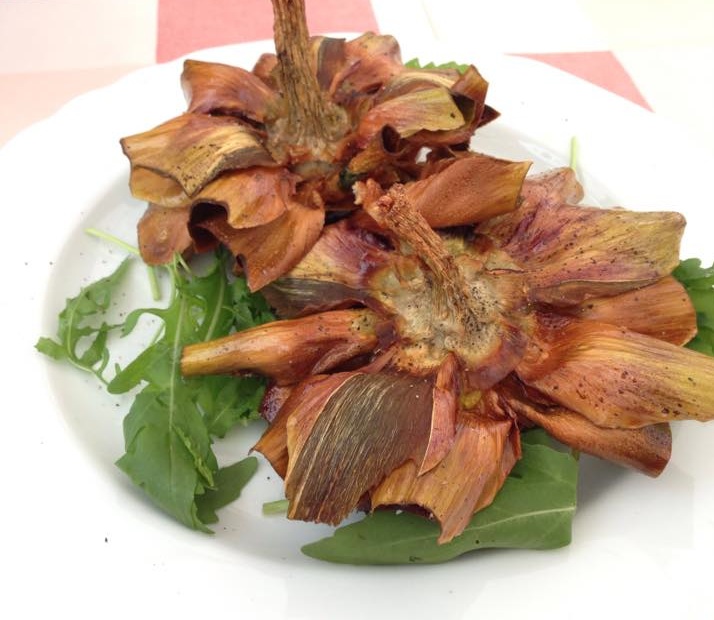
Deep fried artichoke on a plate
“…there used to be a dark bottega that smelled of salami and strawberries….the owner once invented a panino, a little sandwich, just for me: pecorino cheese, pickled peppers, capers, and fresh tomatoes on fragrant yellow bread, chewy as steak and smeared with olive oil. He wouldn’t let me pay.”


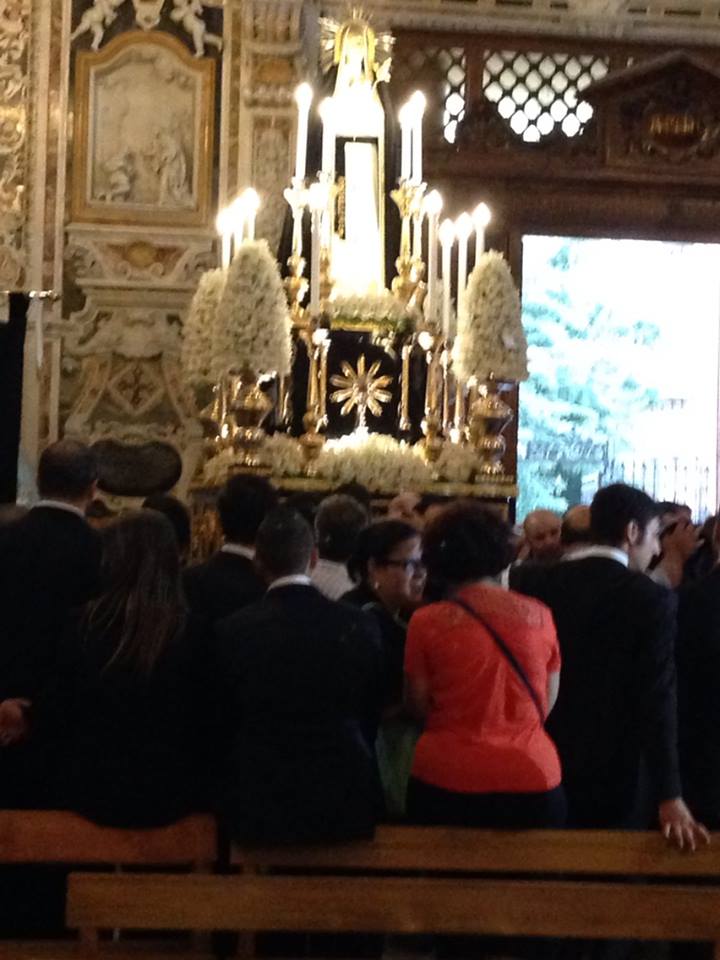
Procession in church
“Men who pulled her all night touched their hankies to the saint. I stared at her back as she floated above our heads down the cathedral’s nave, slowly, like a Norman queen under the pointed Arab arches….She was glorious. An amazing silence fell in the half-filled church.”


Water in stone fountain
“These mountains make water,” he said.


Sea, beach, sky
“This island was deadly beautiful, very old, most powerful and strange.”


In Sicily

“I had found my island, and I wanted to stay forever.”  Theresa Maggio, Mattanza

Villa window


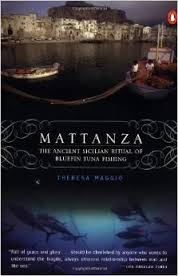
Mattanza book coverWhen I visit Sicily, I enjoy following in the footsteps of Theresa Maggio, author of Mattanza: The Ancient Sicilian Ritual of Bluefin Tuna Fishing and The Stone Boudoir: Travels through the Hidden Villages of Sicily.  

My family and I first travelled to Sicily 14 years ago, in part to re-connect with my father’s relatives. That was when I discovered Theresa’s splendid books.

Reading them again on our recent trip was like meeting up with an old friend. When I see Sicily through Theresa’s eyes, I see the island so vividly, with a more nuanced understanding of the complex people, culture, and history of this stunningly beautiful place.

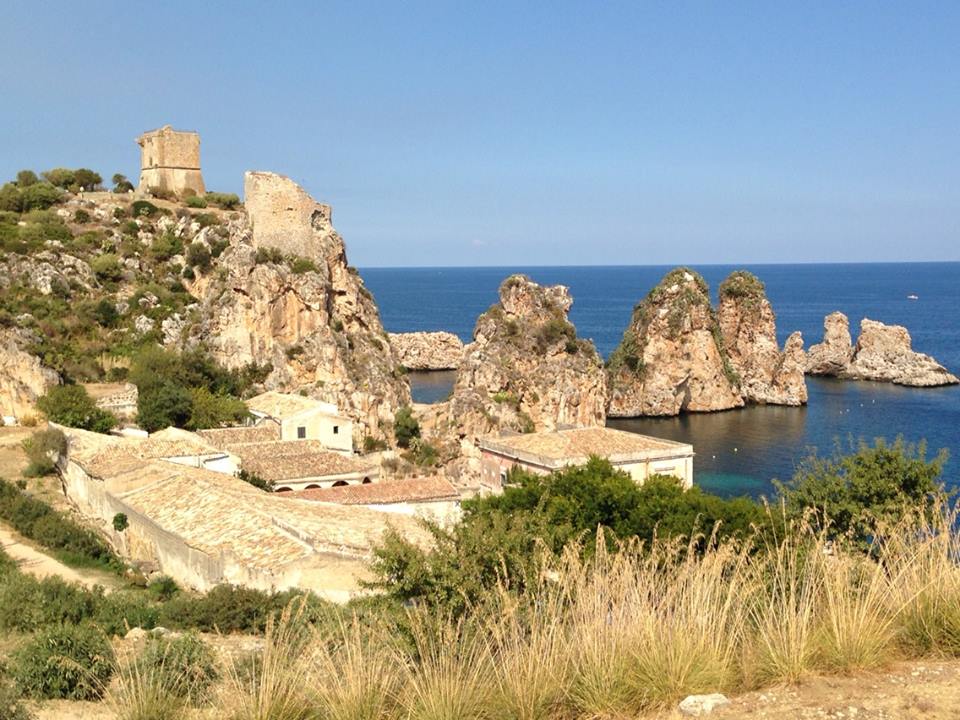
We usually stay on the outskirts of Scopello, a small fishing village that is now a quiet, secluded haven for tourists. On this trip, we rented a villa halfway up a mountain on the edge of Zingaro Nature Reserve. Once the home of a tonnara (tuna factory), in years past Scopello celebrated the mattanza, the ritualized killing of bluefin tuna, every May and June. The mattanza was first practiced by the Arabs, or perhaps the Carthaginians before them.  The custom died out in the 1980s when industrial over-fishing made it obsolete.


Former tuna factory in Scopello
Scopello’s former tonnara, converted to tourist apartments


Theresa’s book is a love letter and an elegy to the mattanza and the people whose lives were intimately bound to it. During one of the last years of the mattanza, Theresa befriended the fishermen (tonnatori) on the island of Favignana and accompanied them on their boats as they watched and waited for the tuna to become trapped in their underwater chambers of ropes and nets. When several hundred tuna had been captured, the tonnaroti lured them from one chamber to the next, while chanting thanks and prayers to God, the Virgin Mary, the saints.

The bluefins’ final destination: the chamber of death.

“After a while huge black shapes rose up into the backlit square. Their slow rising was mystical, like a birth. They rose higher. Dorsal fins swirled, wild animals drawn up from a silent abyss.

They were giants, eight feet long, some bigger, and there were hundreds of them. The net was drawn taut and they skittered in front of us, half out of the water. I looked into their glassy black eyes. The fish were as big as men, some bigger than four men. When their tails slapped the water it rose in columns above our heads. I remember the din, the thunder of falling water, and their frantic thrashing. They darted to the corners of the net, but there was no way out.

The crowd went wild. People were soaked, screaming and cheering….The fish were churning the sea into a white froth, and then the froth turned pink.”

Rusted anchors
Tonnara anchors


At one time, these hand-made tuna traps were in Spain, France, Algeria, Tunisia, Turkey, Dalmatia and Corsica, as well as Italy; some sixty tonnaras dotted the Sicilian coast.

“Gone, all gone,” writes Theresa.

The old tonnara in Scopello is beautiful, but I didn’t like seeing it in the hands of tourists. In their heyday, the tonnaras employed, directly or indirectly, thousands of men and women; some even had child care centers on site. Theresa writes with great sadness of the tonnaroti who netted fewer and fewer tuna each year until they had to stop.

I don’t like a world where men and women who love working on or near the sea, who make their living by physical labor, can no longer do so because it is not profitable. I’ve never seen a mighty bluefin tuna, but I’d prefer to have our seas teeming with them.

Theresa Maggio is a compassionate and keenly intelligent traveler. Her passion for discerning the heart and soul of a people and a place will enrich your own explorations.

Scopello sunset
Scopello sunset

Sunset photo by A. Hallinan.


Love on a Plate

“When I’m on the road in Sicily I eat street food. It’s cheap, it’s good, and it’s a way to watch Sicilians. Street food feeds a need in them much deeper than hunger – their need to be close. Sicilians telephone each other from the back of the bus to the front, and seek out the crowded beaches, the piazzas packed with people, and markets where they’re likely to get mauled. They must have company, or at least an audience, for whatever they do. In Sicily, where food is love and the street is a stage, street food is more than a cheap meal, it’s Communion.”   “Love on a Plate” from The Stone Boudoir by Theresa Maggio

Fritters made from chickpea flour
Filomena’s panelle di ceci


We’ve been in Sicily visiting family and I couldn’t wait to post something about our trip.

I decided to begin with Filomena’s wonderful panelle, made from chickpea flour, which she prepared for us and we enjoyed one night after our cousin and friends took us sightseeing in Terrasini. We drizzled the fritters with lemon juice and ate them in sandwiches made from thick, soft rolls.

Theresa writes that in Sicily you can buy bags of small, crisp panelle squares, which are great with beer.

During our stay I read once again Theresa Maggio’s lovely The Stone Boudoir: Travels through the Hidden Villages of Sicily, an old favorite. No one captures the poetry and romance of the island quite like Theresa, whose grandmother is from Sicily. More about her writing, and about Sicily, in my next post.

I agree with Theresa. Food is love.


Books at my door

Books at my doorDelancey book cover


If you like food writing combined with memoir, you will like Molly Wizenberg and her latest, Delancey: A Man, A Woman, A Restaurant, A Marriage. The restaurant is in Seattle. Her first book, A Homemade Life, is a bestseller.

Sicily book coverI bought Sicily: A Literary Guide for Travellers by Andrew and Suzanne Edwards for an upcoming trip – haven’t been there in seven years. Many of the greatest writers were drawn to this island.

Groundbreaking Food Gardens by Nikki Jabbour promises 73 plans that will change the way you grow your garden, such as: Slow Food Garden; Vintage Victory Garden; Edibles on a Patio; Heirloom Sampler; Formal Herb Garden; Eggs & Everything; and Living Walls.

Piazza, Carini
The piazza in Carini, Sicily, where my father was born

Summer reading

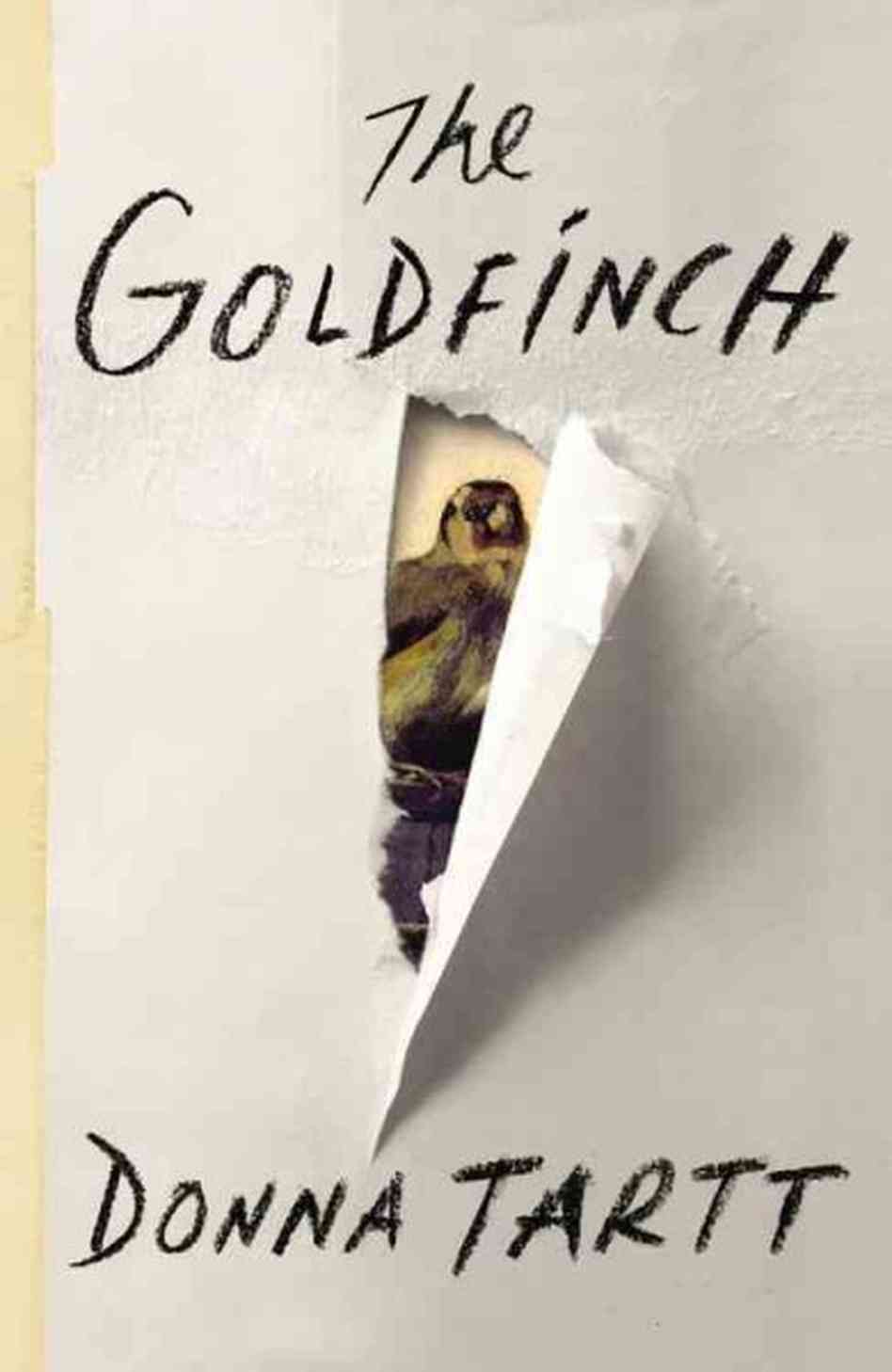
The Goldfinch book coverI am now thoroughly in the grip of Donna Tartt’s The Goldfinch. (In book circles, it seems as though half the universe is reading Tartt’s latest novel.)

After surviving a terrorist bombing at the Metropolitan Museum of Art in New York (a hellishly claustrophobic, terrifying scene masterfully written), a shell-shocked Theo Decker is making his way home amidst dozens of fire engines, blaring sirens, and chaos in the streets, where he is certain he’ll be reunited with his mother, who had been in the museum gift shop during the blast. Knowing Tartt, I believe things will only go further downhill for Theo in a tragic – comic, picaresque way. I’ll keep you posted over the next few weeks, without spoilers, of course. Having read Tartt’s previous books, The Secret History and The Little Friend, her latest book is a must-read for me.

In the Kingdom of Men book coverIn my perpetual online quest for good reads, I happened upon Kim Barnes the other day. I can’t believe I haven’t yet sampled her writing. In my stack of library books, I now have In the Kingdom of Men, the 1960s story of “a barefoot girl from red dirt Oklahoma, and all the marble floors in the world will never change that” who marries a college boy from her hometown. He takes a job with the Arabian American Oil Company in Saudi Arabia. The novel is loosely based on the experiences of Barnes’ aunt and other American women married to oil executives who worked in the Persian Gulf in the “Mad Men” era. I’ve also placed library holds on Barnes’ two memoirs, In the Wilderness and Hungry for the World.

My Struggle book coverAs usual, I’m overly ambitious, but I’ve decided to take on Norwegian Karl Knausgaard’s three-volume My Struggle after reading intriguing reviews. The fact that our local Barnes & Noble did not have Volume 1 only makes me more determined.

I just purchased Turn Right at Machu Picchu by Mark Adams (someday we’ll get there) and The Shelf: Adventures in Extreme Reading, by Phyllis Rose. (She wrote A Year of Reading Proust.) Rose read, straight through, all the 30 or so books from LEQ – LES on a random shelf in the New York Society Library stacks – no matter how obscure the author. The books and authors include The Phantom of the Opera, California detective fiction, a novel by an Afrikaans writer, stories of French Canadian farmers, and one “feminist, humane earth-mother Jewish writer” who raises award-winning Newfoundlands.

Domestic Matters

A Woman's Shed book cover

We’ve been putting in raised beds at our house, and my latest obsession is backyard domesticity. I just bought Gill Heriz’s delightful A Woman’s Shed. From our local library I borrowed three or four how-to titles about building fences (made of wood, stone, metal, and plants) and backyard sheds, gazebos, cabins, and other nature retreats.


The Kitchen Garden Cookbook coverI’ve also been browsing through Sylvia Thompson’s The Kitchen Garden Cookbook (1995). Thompson has also written The Kitchen Garden, which I’ll have to track down. Both are semi-classics endorsed by Alice Waters and other culinary experts. The cookbook is good reading, and if you’re growing your own vegetables you’ll like Thompson’s tips about when to harvest. The recipes are inventive and  sound delicious – I’m looking forward to trying some of them out. How did I find this title? It was on display at our library – a great way to discover good, not-so-new books.

In my quest to learn about gardening and raising vegetables, I’ve been reading Eliot Coleman’s Four-Season Harvest, as we hope to experiment with raising food through the winter. Eliot’s neighbors were Helen and Scott Nearing, who launched the modern-day homesteading movement. He has made the Nearing’s home farming techniques accessible to home gardeners and small organic farmers. Living the Good Life book cover(The Nearing’s influential book, Living the Good Life (1954) is a fascinating read, by the way.)  I like Coleman’s book because it is simple and straightforward, especially accessible and inspiring to the lay person. I’ve also rediscovered a book I purchased years ago, Barbara Damrosch’s The Garden Primer. Reading the forward to Coleman’s book, I discovered that he and Damrosch are married to each other.

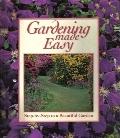
Kitchen Garden book coverI love to visit the many small second-hand and consignment stores in our village. We have a used crafts supply shop I like to browse in, and there I discovered old copies of Betty Crocker’s delightful Kitchen Garden (1971) by Mary Mason Campbell with illustrations by Tasha Tudor; Gardening Made Easy binder coverand Gardening Made Easy (1995), International Masters Publishers, a collection of full-color pamphlets that you order individually and store in a three-ring binder. (I believe these are now out of print.)


The Supper of the Lamb book cover

For good measure, I requested from the library a copy of The Supper of the Lamb, (1969) by Robert Farrar Capon; this “culinary entertainment” written by an Episcopal priest comes highly recommended by a friend.

So there you are, my summer reading plans – all over the map, highbrow and not, typical for me.

What will you be reading this summer?


Raised beds
A work in progress


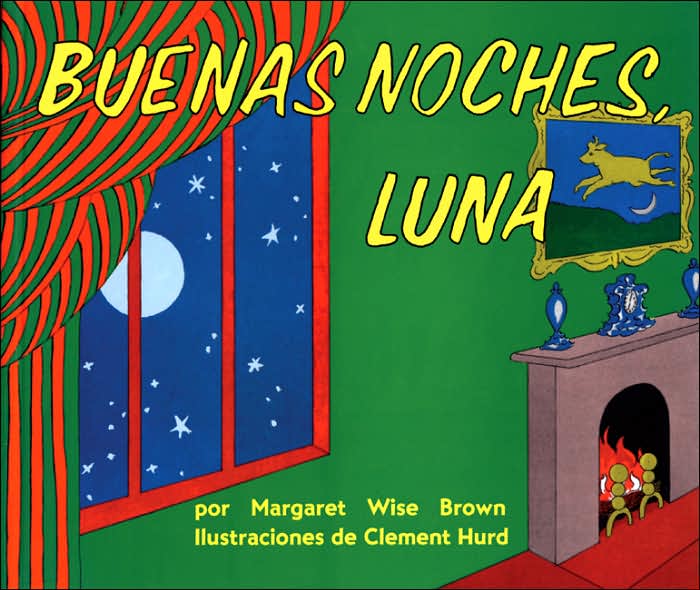
Buenas Noches, Luna

Buenas Noches, Luna book cover

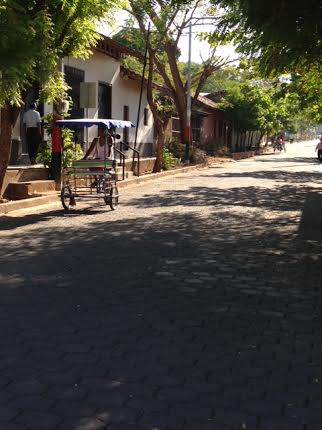
We’ve been in El Sauce, Nicaragua on vacation and doing volunteer work. We gave the classic Buenas Noches, Luna by Margaret Wise Brown to a couple of children in El Sauce. Reading it was a nightly ritual with my oldest son many years ago. This wonderful book still has universal appeal.

Street in El Sauce, Nicaragua
Morning in El Sauce
Volcano in Nicaragua
Nica volcano
Ruben Dario passage on chalkboard
We saw this passage by Nicaraguan poet Ruben Dario in a Leon cafe.
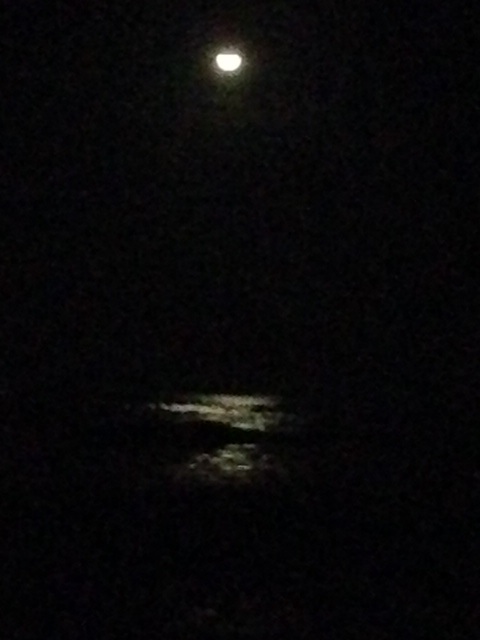
Moon over the Pacific
Goodnight, moon (over the Pacific)