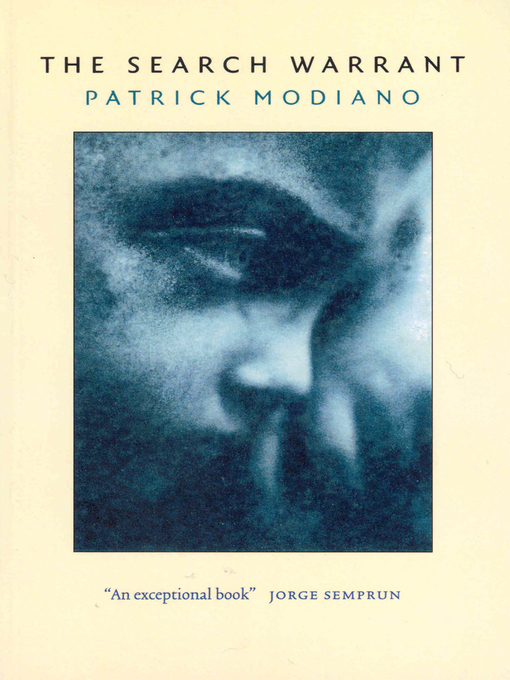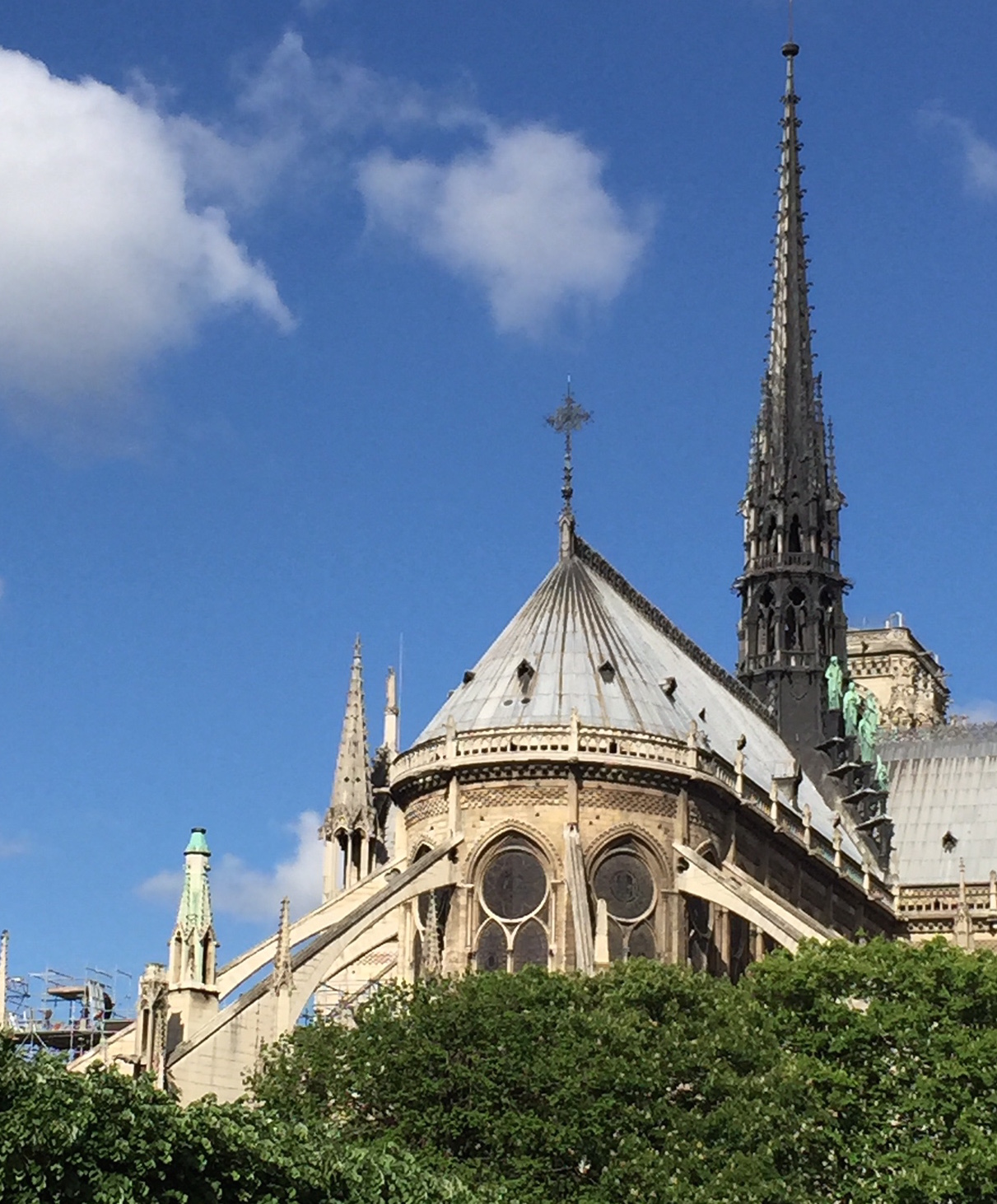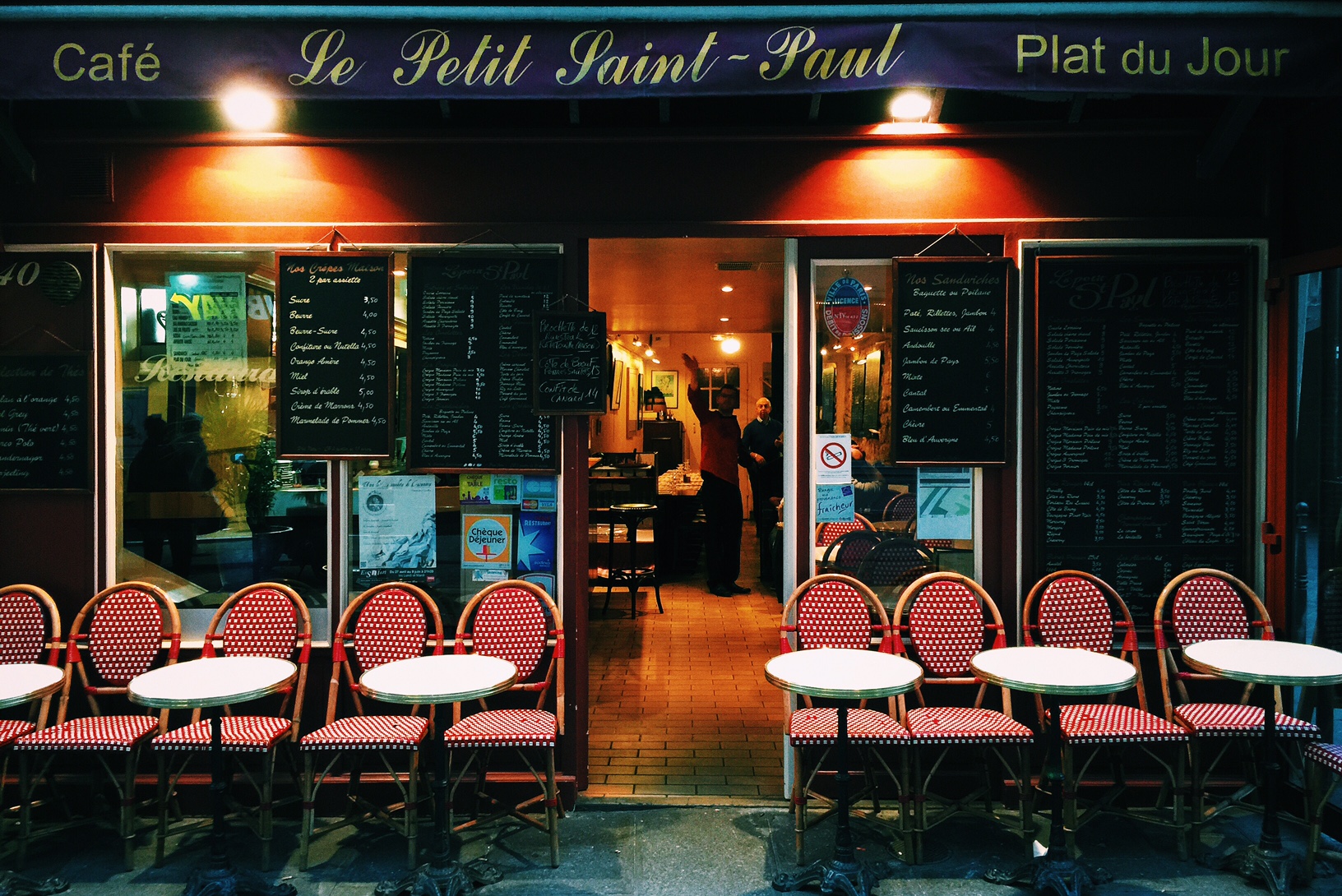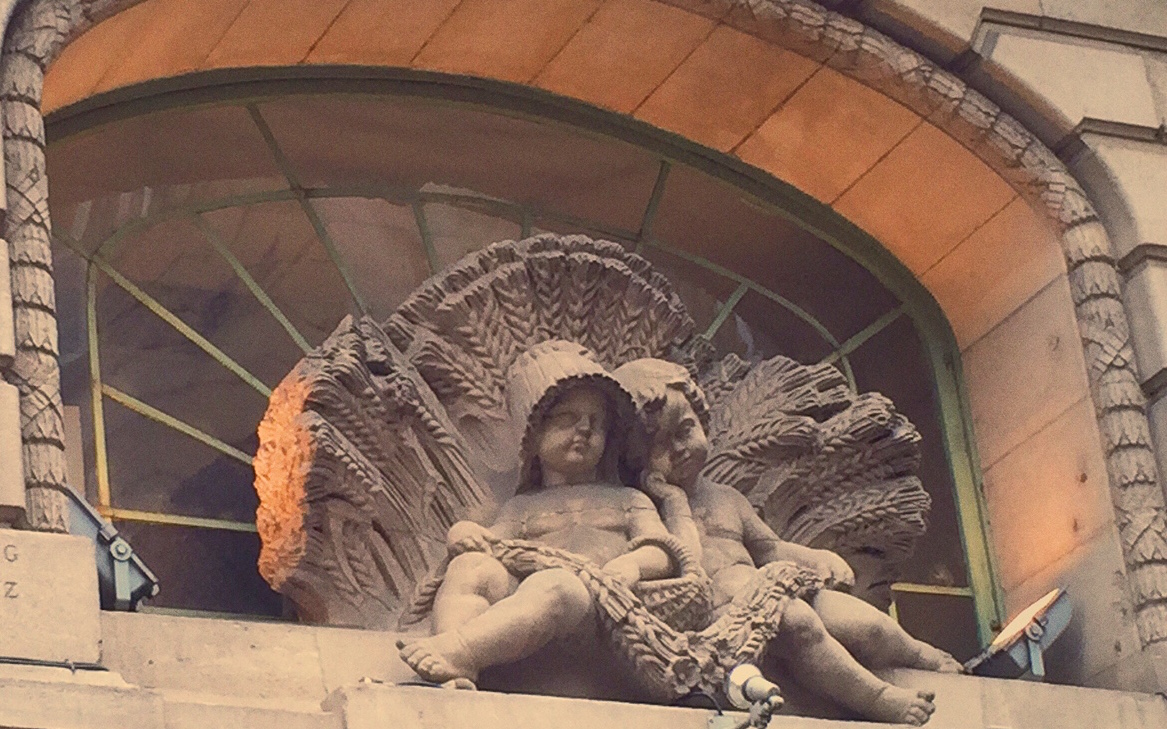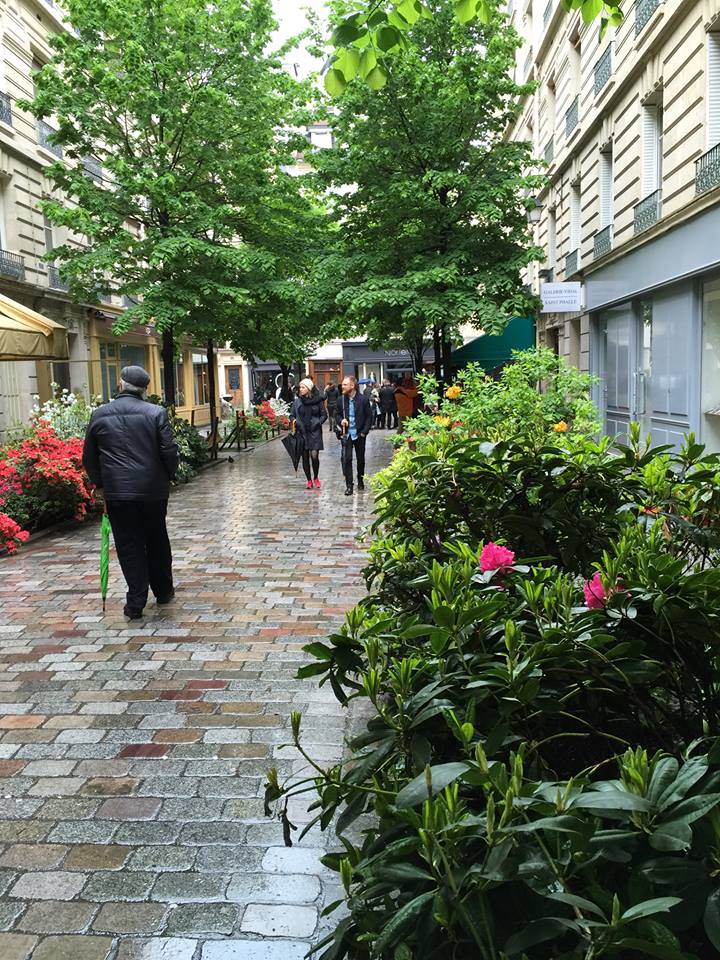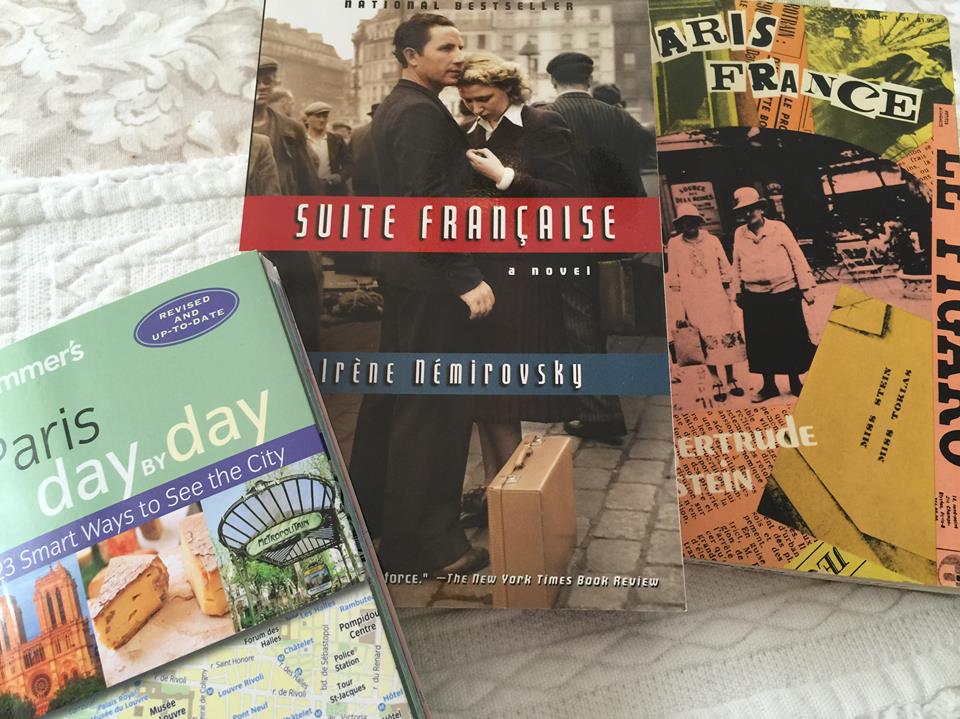
I try to make my traveling adventures reading adventures, too. We’re headed to Paris to see our son, with a two-day stop in London, my first visit to both cities.
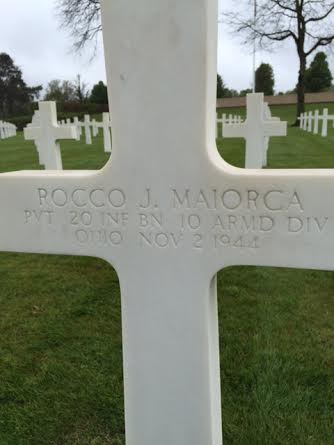
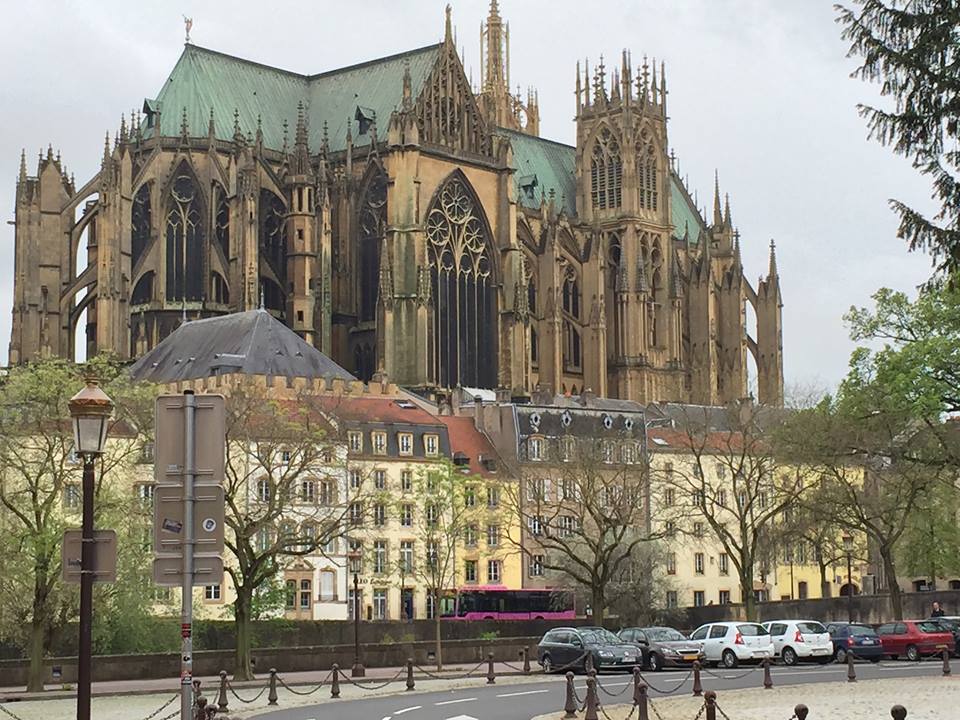
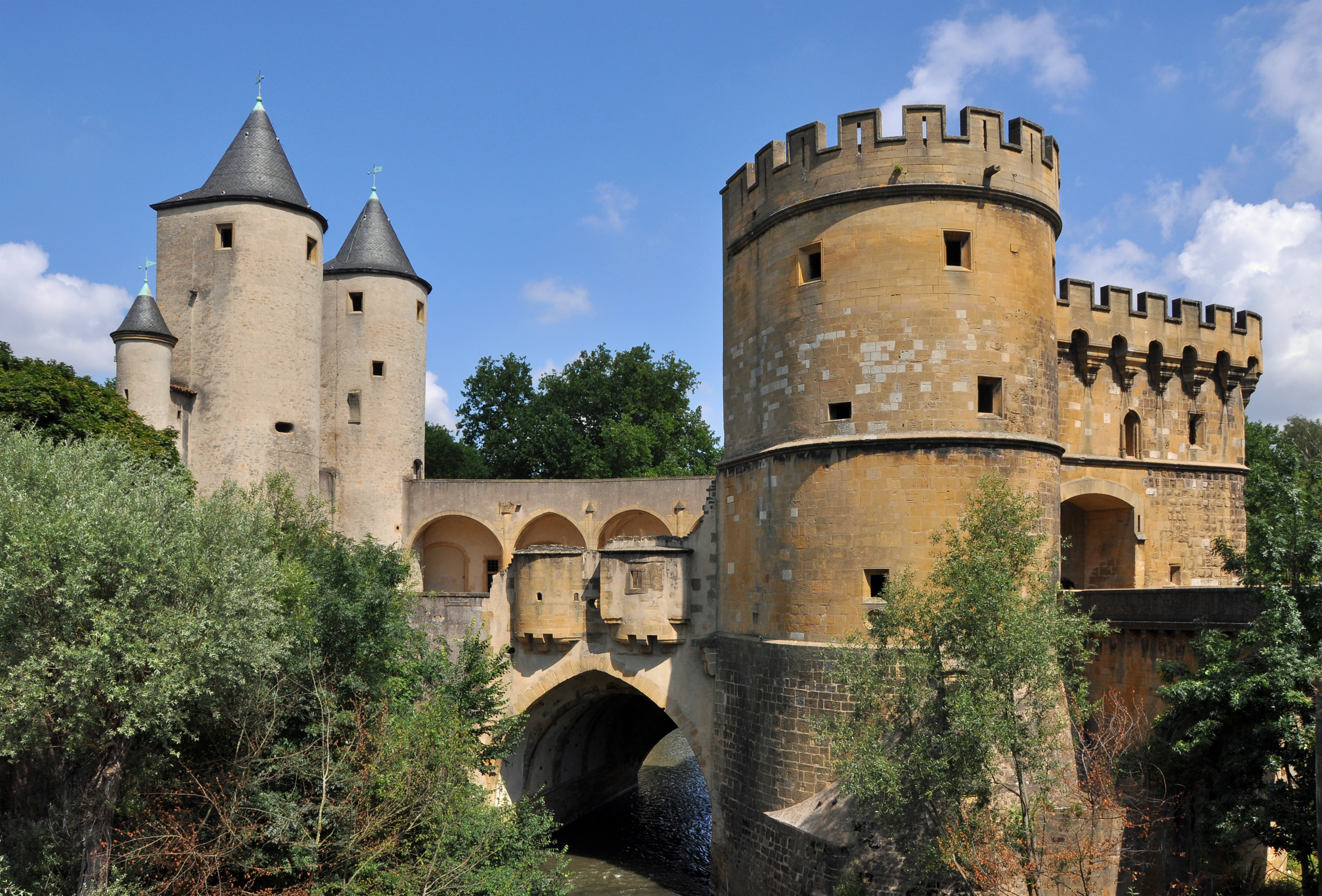
Then we’ll go to Metz, France for a couple of days, with a road trip to Luxembourg City. In World War II, my father fought in the battle of Metz, and we think we’ve figured out approximately where he was wounded (on November 14, 1944). So we’ll investigate and see what we find.
My father spent a weekend in Luxembourg City just before the battle and had an interesting story to tell about that, which I’ll share in an upcoming post.
Metz, France (Wikipedia)Luxembourg City (Wikipedia)
This week I’m passing along a few of my favorite bloggers, people who have important things to say and they say it well.
I’ve recently become a follower of Book Guy Reviews, written by James Neenan, a Denver high school English teacher. I love what he says about reading difficult books.
I wanted to share a post I love written by Valerie Davies of New Zealand, an accomplished writer and journalist who left blogging for a while and has now returned, to the great pleasure of her many followers.
Valerie writes about reading aloud to your children in front of the fire or under the covers on a cold winter night….David Copperfield (Did you read it at a young, impressionable time in your life?)….a Queen who couldn’t stop reading….what Stephen King says about writing truthfully….the dangers of reading and writing….what some brave bloggers are doing….and for good measure, a recipe.
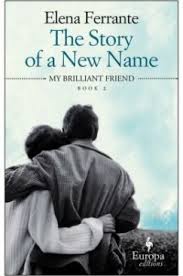
My Giveaways: The Story of a New Name by Elena Ferrante
&
The Children Act by Ian McEwan
(I will ship to international addresses.)
Books Can Save a Life is participating in the 2015 Literary Blog Hop, hosted by My Book Self.
Between now and midnight on Sunday, April 12, you can hop over to a dozen or so blogs, all offering giveaways of books, book gift cards, or bookish items. Click HERE to see the many fabulous blogs participating in this hop!
My Giveaway
I will be giving away two works of literary fiction by renowned authors.(One book each to two lucky winners.) Just leave a comment about books on my blog (see left sidebar) between now and April 12 and you’re eligible. Winners will be notified via email and will have 48 hours to respond or an alternate winner will be selected.
According to TheNew Yorker, “Elena Ferrante is one of Italy’s best-known least-known contemporary writers.” An international literary sensation, Elena publishes under a pseudonym, so her identity remains unknown. I’m pleased to offer The Story of a New Name,the second in Ferrante’s best-selling Neapolitan trilogy. You’ve just got to experience her remarkable voice! Click HERE to read a previous post about Ferrante.
Ian McEwan has long been one of my favorites. The Children Act is the haunting story of a teen-age boy with a life-threatening disease who refuses medical treatment on religious grounds.
Anyone can enter The Literary Blog Hop. You do not need to have a blog or follow my blog, but if you find Books Can Save a Life of interest, please become one of my followers by email or on Facebook or Twitter.
Oh, and please share this post on your favorite social media!
The Literary Blog Hop ENDS:
MIDNIGHT EST April 12, 2015
Thank you for visiting Books Can Save a Life. Remember, leave a comment if you want a chance to win, and then start BLOG HOPPING!
For starters, take two and a half minutes to watch astronaut Reid Wiseman’s video, “A Photo I Love,” and then come back here. You’ll see a new view of Italy (some of you know how much I love Italy). Notice in particular Reid’s photo of the earth’s atmosphere, “….so blue, so incredibly thin….” and Reid’s tweets (#spacetweets).
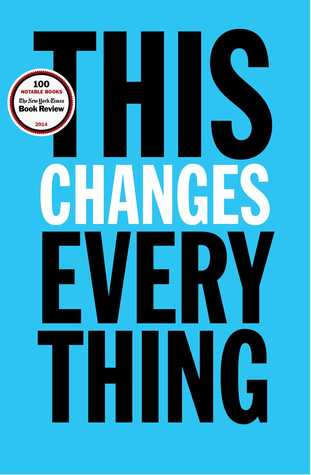
I wanted to begin on an upbeat note, hence Reid’s video of “watching our earth be alive” that so vividly highlights what the stakes are when it comes to the climate debate. It’s not that Canadian journalist Naomi Klein doesn’t offer hope in her latest book, This Changes Everything. Certainly, she does, but this is a read with plenty of emotional lows before you get to the highs.
This Changes Everything is proving to be enormously influential as well as controversial. If I read her correctly, Klein does not advocate a dismantling of capitalism, but her book is indeed a polemic against the extreme version of capitalism that pervades much of the world today. Her message is that the earth cannot possibly continue to sustain a world economy based on unlimited growth and the endless extraction of resources. We need to change course to keep the earth’s warming under two degrees Celsius (this is according to many climate scientists, who also maintain that a warming of four degrees Celsius would be catastrophic). We need to act now, on a massive scale.
If you care deeply about climate change, I highly recommend putting This Changes Everything at the top of your to-read list. There is so much I don’t know about this huge topic. Though I’ve been against fracking (recently outlawed here in New York), I didn’t know much about it, and I knew absolutely nothing of Canada’s tar sands project and its devastations. Klein brought me up to date on all of this, as well as the current climate change activist scene. She synthesized an enormous amount of research, which makes for slow reading at times, but it’s worth it if you want the big picture.
Here are some things I learned that surprised me:
We’ve come a long way with alternative energy technologies. It seems like a no-brainer – if we can meet our energy needs at very little cost using solar, wind, and other technologies, why would we continue using expensive and dirty fossil fuels?
Native Americans and indigenous populations around the world are winning important victories against the fossil fuel industry, more so than activists in the mainstream. In Canada and the US, for example, some of these groups, by treaty, retain rights to their land, including the right to make a living from it. The courts have, in many cases, upheld these rights, effectively blocking or delaying extraction projects. These delays have given alternative energy technologies time to develop.
Though it’s important for developed countries to convert to clean energy, it’s crucial that we help developing countries turn to clean energy, too–otherwise we’ll never be able to stop global warming. Klein and others maintain that, since developed countries have grown wealthy from fossil fuels, we have a responsibility to help developing countries pay for their energy infrastructures.
A New York Times review called This Changes Everything “…the most momentous and contentious book since Silent Spring,” and “…a book of such ambition and consequence it is almost unreviewable.”
This Changes Everything is absolutely a book that can save lives.
Have you read This Changes Everything? Do you recommend other important books about this topic? If so, please do in the comments. And if you care about climate change, I hope you’ll share this post.
What we don’t want to lose. View of Zingaro Nature Preserve in Sicily. (Photo by A. Hallinan)
Yesterday, I had the pleasure of attending one of Karen’s readings at a local college, which was well attended by book lovers and book clubs alike. Many of the attendees have participated in “If All of Rochester Reads” since its inception 15 years ago.
The Age of Miracles is a heart-breaker. After this one, I am going to have to lay off reading dystopian literature for a while.
Eleven-year-old Julia is living the ups and downs of a California childhood when, one day, this announcement is all over the new: scientists have learned the Earth’s rotation has slowed. The days and nights are growing longer and will most likely continue to do so. Life on Earth will never be the same. It is, in fact, very likely coming to an end, and “not with a bang, but with a whimper,” as Karen has said in an interview.
The world slows down with terrible consequences, while Julia copes with difficult friendships and betrayals, falls in love with Seth, and watches the possible dissolution of her parents’ marriage. The Age of Miracles is adult fiction, but it has had great appeal in the young adult market. I’ve read excellent adult dystopian literature recently (The Bone Clocks and Station Eleven), books that offer hope for the redemption of humanity. There is little hope in The Age of Miracles, which is one reason it is so powerful: we watch the blossoming of youth and young love in a world that is going dark.
Climate change and global warming are being hotly debated in the real world, but in The Age of Miracles, the catastrophe has nothing to do with human action. It just happens. Because blame and controversy over who is at fault are removed, the story is free to focus on the characters and how they mature and make ethical choices (or don’t) in impossible circumstances.
Karen said during her reading yesterday that the title of her book refers to both the miraculous time of adolescence as well as the miracle of the earth’s slowing. The miracle in the world Karen creates is an extraordinary, inexplicable event, but in this case one that does not bode well for the human race. It suggests that we humans are not the center of this vast, unknowable universe; the universe can carry on quite well without us.
I found myself, like Julia, not wanting to turn back time, but wishing I could change the laws of nature and reinvent my relationship with time.
“How much sweeter it would be if life happened in reverse, if, after decades of disappointments, you finally arrived at an age when you conceded nothing, when everything was possible.”
Karen is at work on a second novel which will once again place people in an extreme situation.
Click here for a fascinating list of post-apocalyptic/dystopian/utopian/speculative fiction. Jose Saramago’sBlindness stunned me when I read it several years ago; I went on to read all of his other work and I hope to take another look it someday. Saramago’s writing is difficult – he writes page-long sentences with little punctuation – but if you fall under his spell, there is absolutely nothing like it. I haven’t read P.D. James’ The Children of Men, but I remember when my husband and sons and I watched the movie directed by Alfonso Cuarón – an afternoon of movie-going we’ll never forget. Nor will we forget reading aloud the final scenes of The Giver when the boys were young.
Then there’s The Hunger Games (the trilogy) and the ongoing excellent movie series. Ishiguro’s Never Let Me Go is another all-time favorite of mine. (He has a new book, The Buried Giant, a kind of apocalyptic fantasy I’ve yet to read). Nevil Shute’s On The Beach was probably one of my first exposures to apocalyptic fiction many years ago.
If you have strong opinions about any of the books or movies on this list, I’d loved to hear your comments.
If All of Rochester Reads has greatly enriched Rochester’s literary scene. I wrote about our 2014 choice, The Snow Child by Iowyn Ivey, which I loved. Another Rochester Reads favorite of mine is Bel Cantoby Ann Patchett. Just so you know, Nancy Pearl, one of America’s greatest librarians, had the brainchild of an entire city reading the same book. She founded the program in Seattle and it has since been adopted by many cities.
Have you read The Age of Miracles? What/Who is your favorite dystopian novel or author? Does your city or town have an annual reading event?
“Dear Reader – I write this because I love a garden that gives back. Flowers, fragrance, flavor…all of it. A true giving-garden is filled with herbs. Discover them. Grab a leaf, rub it, hold it to your nose and breathe in. Voila! That plain, leafy plant becomes so much more when you learn ways to use it. This is what I share with you.” Sue Goetz, The Herb Lover’s Spa Book
In the middle of a hard winter I couldn’t ask for a better pick-me-up than The Herb Lover’s Spa Book by Sue Goetz, just published by St. Lynn’s Press. This is a little gem of a book. Looking at the photos and skimming through the recipes for facial steams and oatmeal soaks and lavender heat pillows while the snow fell outside my window was a spa experience in and of itself.
I grow the standard kitchen garden herbs and I love cooking with them. Now Sue Goetz has inspired me to try out recipes for herbal preparations that heal, sooth, relax, and refresh. I’d been making a list of seeds to order for this year’s garden, and I’ll have to expand it to include new-to-me herbs like lemon balm and lemon verbena, scented geranium and camomile. I want to try the recipes and the end products myself, of course, and if all goes well, when holiday time rolls around I’ll have homegrown, handmade gifts to give family and friends.
A well-known garden designer, writer, and speaker from Washington State, Sue Goetz packs a lot of information into this little book, and her passion for using herbs in the home for pleasurable and nurturing spa experiences shines on every page.
The Herb Lover’s Spa Book has three parts: Surround, Grow, and Create.
Surround
You can enjoy the herbal preparations you’ll learn to make in this book in your very own private spa. Sue shows how you can create a retreat in your own home, indoors or outdoors, where you can read, relax, soak, sleep, or meditate. She suggests designs, colors, and textures conducive to rest and relaxation, whether in a garden or in a favorite indoor space.
Grow
You’ll find information about nineteen of the most common and popular herbs used for skin treatments and teas and infusions, including lavender, hops, dandelion, eucalyptus, sage, parsley, witch hazel, and thyme. Sue includes growing tips, healing properties, and suitable varieties for each herb, a list of seasonal herb garden tasks, and tips for harvesting and preserving.
Create
In addition to over 50 herbal recipes, Sue provides information about sourcing and working with common ingredients and materials such as beeswax, baking soda, essential oils, epsom salt, ginger root and jojoba oil.
I loved leafing through the recipes. I didn’t know there are so many varieties of bath brews, each with its own effects. For a relaxing bath you can use chamomile, hops, and lavender. For a stimulating bath, try eucalyptus, lemon balm, mint, rosemary, sage, or thyme. For a healing bath, use calendula, lavender, lemon verbena, parsley, or spearmint.
First on my list of recipes I’d like to try is the Inspiration Bath. When you want to get your creativity flowing, put some calendula petals in a muslin sachet or directly into a warm bath, and add 6 drops each of lavender essential oil and rose essential oil.
Scroll down to the bottom of this post to see the complete recipe for Sue’s Basic Bath Brew. Other tempting concoctions: Peppermint Foot Soak, Midsummer’s Eve Floral Garden Water, Dusty Rose Body Powder, Winter Warming Steam, Chamomile Eye Soothers, Rosewater Cream, and Floral Water Skin Brightener.
Sue includes fascinating tidbits about historical aspects of the spa experience and herbal pharmacopoeia. I’d never heard of a stillroom, for example – a special room in homes of the early American colonies set aside to prepare household products from the garden. Sue says the lost art of the stillroom is coming back, and she encourages us to find a special space in our modern homes where we can store ingredients and experiment with herbal remedies.
I like that a glossary of commonly used terms is included at the end of the book, as well as a list of resources, including places to purchase herbs, oils, packaging materials, plants, and seeds.
I’m so impressed with St. Lynn’scollection of how-to gardening books. I’ve written about a couple of other St. Lynn’s titles here at Books Can Save a Life: Debra Prinzing’sSlow Flowers and Nancy Ross Hugo’s Windowsill Art.
I have a soft spot in my heart for small, inspired publishers with a strong sense of values and a well defined mission – I was an editor for such a publisher eons ago at the beginning of my career. I like St. Lynn’s because they make gardening so inviting and accessible to those of us who are beginners, and because they are strongly committed to ecology and our planet.
Make yourself a cup of tea and browse some of their other titles. (And if you want to know who St. Lynn is, click here.)
One of many tempting recipes in Sue Goetz’s The Herb Lover’s Spa Book
Do you make herbal preparations from your garden? If so, I’d love to hear about them, as well as books you recommend for those of us who want to learn more.
“Hope my nerves aren’t weak because they have a long haul ahead….Begin the detailed description of the family I am to live with for four months. Must take time in the description, detail, detail, looks, clothes, gestures. Ma very important. Uncle John important. Pa very. In fact all of them are important. Got to take it slowly. I don’t care how long it is. We have to know these people. Know their looks and nature. Must.” Working Days: The Journals of The Grapes of Wrath, 1938 – 1941,John Steinbeck
In her book, Louise looks closely at every stage of the writing process and what it takes to achieve our best work.
Slow down, she recommends. Good writing cannot be rushed.
Slow writing is not a new trend: the best writers have always been slow writers.
Zadie Smith, Elizabeth Gilbert, Jo Ann Beard, Virginia Woolf, Michael Chabon, Henry Miller, D.H. Lawrence, Jeffrey Eugenides, Ian McEwan – DeSalvo synthesizes the wisdom of these and many other writers who have spoken frankly about what it takes to go deep into our creative process to achieve stellar writing.
Louise shows us her writing process, too (she has published several memoirs and other books), and shares anecdotes about getting stuck and how she eventually found a path forward.
I’ve begun skimming Working Days. Notice in the opening quote above that John Steinbeckreminds himself to take it slowly, and give each character his or her due.
It’s surprising to see how lost Steinbeck sometimes felt and how he used his writing journal to keep himself going. Here are more excerpts:
September 7, 1938
“I’m afraid this book is going to pieces. If it does, I do too. I’ve wanted so badly for it to be good….if only I wouldn’t take this book so seriously. It is just a book after all, and a book is very dead in a very short time. I’ll be dead in a very short time too. [Steinbeck would live another 30 years.] So the hell with it….I must go on. I can’t stop…..How did I ever get started on this writing business anyway? To work.”
January 29, 1941
There are so many things to go into this book. An astonishing number of things. But I’ll get them all in if I just relax and get them in day by day and only worry about the 2000 words of each day’s work. That’s the only way to do it, I have found. But damn it, I have to learn it over again every time.
January 30, 1941
My head is a grey cloud in which colors drift about and images half-form. I’m bludgeoned and feel beaten by many little things. And I can’t figure answers to them. Maybe some people think clearly all the time and make nice decisions. I don’t know. But I feel very lost and lonely.
The Grapes of Wrath won the Pulitzer Prize in 1940, and contributed to Steinbeck’s winning the Nobel Prize in 1962.
It has stirred up a great deal of controversy, too. According to Robert Demott, editor of Working Days,The Grapes of Wrath has been “banned repeatedly by school boards and libraries, and denounced by right-wing ministers, corporate farmers, and politicians as immoral, degrading, and untruthful.”