
Adrift, and a timely new edition of a little-known book
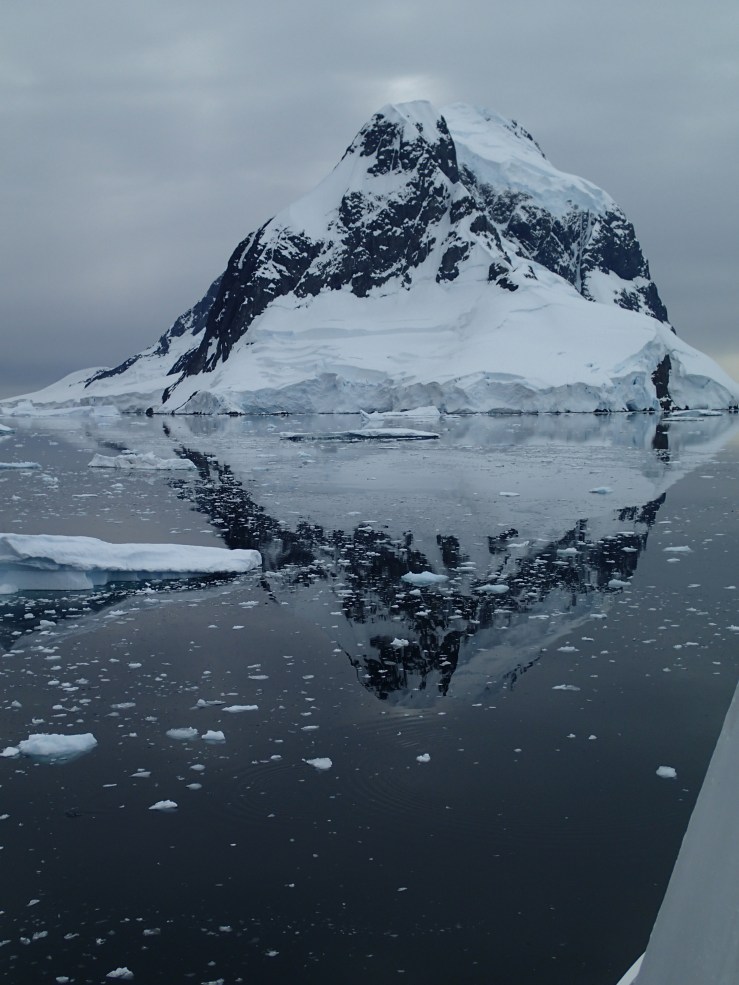
One year ago, my husband left for a two-week expedition to Antarctica. He traveled with 90 other tourists aboard a former research vessel and ice breaker. It was the trip of a lifetime, and he was among the sixteen or so tourists who ventured out kayaking. I asked him to bring back some sounds of Antarctica, and he did.
Finally, in November, I created an audio essay, “Adrift,” from some of those recordings, and it was published as part of my “From Where I Stand” series on Terrain.org: A Journal of the Built + Natural Environment. The audio essay is six minutes long, and I hope you’ll take a few moments and listen. I would appreciate comments, thoughts, and feedback here or on Terrain.org. If you’re intrigued, please check out the other poems, articles, letters, and features on Terrain.org, an outstanding online journal.
I gave my audio essay the title “Adrift” for a variety of reasons. For one thing, this past summer a massive iceberg broke off from the Antarctic mainland, alarming climate scientists and environmentalists. The rogue iceberg has since been floating away from mainland Antarctica’s Larsen C ice shelf. “Adrift” also came to mind because our country is more seriously adrift than ever in regards to acknowledging climate change and taking action.

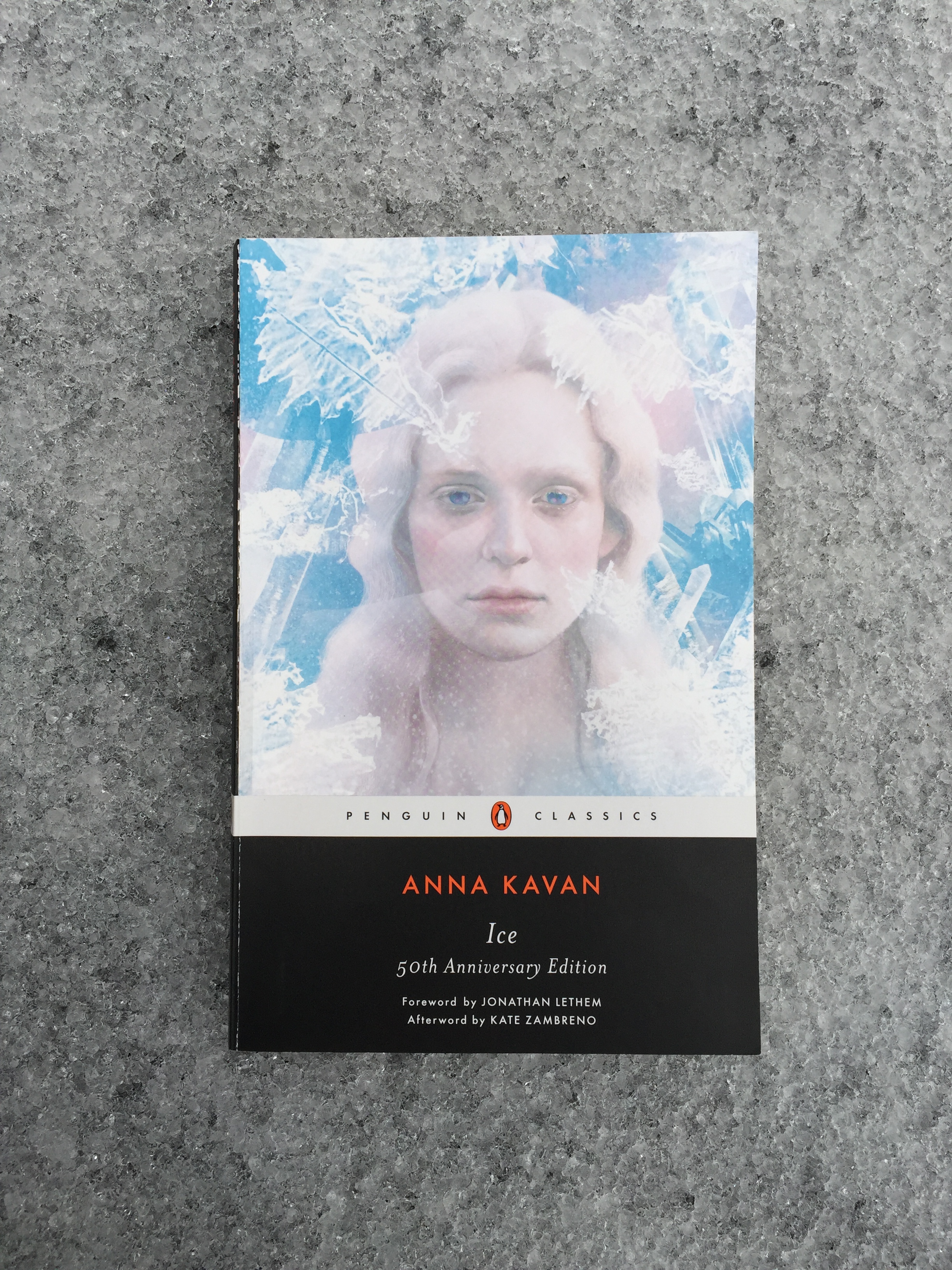
This past Christmas, our older son who is the avid reader brought home the novel Ice by Anna Kavan. I’d been seeing the 50th Anniversary Edition online, but I’d never heard of the book or the author. Curious, I read the novel in an evening. It embodies the lost feeling of being adrift in the worst possible way. It’s difficult to summarize Ice, except to say that it is a singular, dystopian masterpiece that is eerily of our time, even though it was written in the 1960s. Reading it at this particular moment is especially resonant, given the recent bomb cyclone and deep freeze in the eastern half of the United States. In the novel, ice and bone-chilling cold encroach on the world due to an unnamed environmental or nuclear disaster. Ice is, in part, the story of an ecocatastrophe. (This is the apt word of a New York Times reviewer, not mine).
It is also the story of a man searching for a woman; he finds her but then loses her. He finds her again but then is somehow apart from her. And on and on, his search continues, as in a dream from which he can’t awaken. Reviewers say that his endless, obsessive search is in part a metaphor for the author’s struggle with drug addiction.
In the novel’s foreword, Jonathan Lethem writes that Ice has a nightmarish quality, with a disjointed, endless loop of a narrative similar to the style of Kazuo Ishiguro, and I know what he means: the tone and narrative reminded me of Ishiguro’s The Unconsoled. It’s a disturbing novel by a relatively unknown author who has not gotten the attention she deserves, an arresting but bleak story. There is, though, a note of redemption on the last pages.
Books Can Save a Life, 2018
In a sense, my husband and I have been adrift, too, but in a more positive way. If you’ve been following Books Can Save a Life, you know that in October we left our dear, long-time upstate New York home and embarked on a cross country journey by car and train, stopping at several National Parks and scenic places in search of adventure and a new home.
In November, we landed in Portland, Oregon and in December we found the place that we’ll be calling home, at least for the next year: the high desert of Bend, Oregon. We’ve signed a year’s lease on an adorable bungalow in Bend’s historic district, known as Old Bend. Our intention is to spend the year immersing in nature – a face of nature that is novel and new for us, embodied in the dry climate east of the Cascade mountains.
We’d also like to see if we can learn to live more sustainably, in a more ecologically responsible way.
For example, we’ve chosen to live in a neighborhood where we can walk to the grocery store, the library, church, coffee shops, and restaurants. At the moment, we own one car, not two. We may take classes in permaculture and we’re looking into Oregon’s Master Naturalist and Master Gardener programs. Joe has signed up to renew his Wilderness First Responder Certification.
On Books Can Save a Life, books will continue to be the unifying thread, but I hope also to write about our lifestyle changes and their challenges. Concurrently, I’ll continue to highlight environmental and nature writers such as Barry Lopez, Wendell Berry, Terry Tempest Williams, Bill McKibben, and other modern-day prophets who are deeply connected to the natural world.
As always, I hope to feature other important, topical fiction and nonfiction as well. Jaron Lanier was one of the writers new to me in 2017 who impressed me the most, with his vision of a humanitarian information/technology economy. These are challenging times, and I’d like to focus on novelists and nonfiction writers like Lanier who give us visions of a more humane world.

Originally, I began writing Books Can Save a Life to extend my author platform in preparation for publishing a memoir about mental illness in my family. Now, I have a rather ungainly memoir draft that needs cutting and that’s offering me plenty of opportunities for further creativity and deepening. (In other words, it needs revising. :))
As time goes on I’m more convinced that memoirs are making a difference. To that end, on Books Can Save a Life I’ll continue to occasionally tell you about memoirs that I think are exceptional, as well as books and writers concerned with maintaining and deepening creative practices like writing and art.
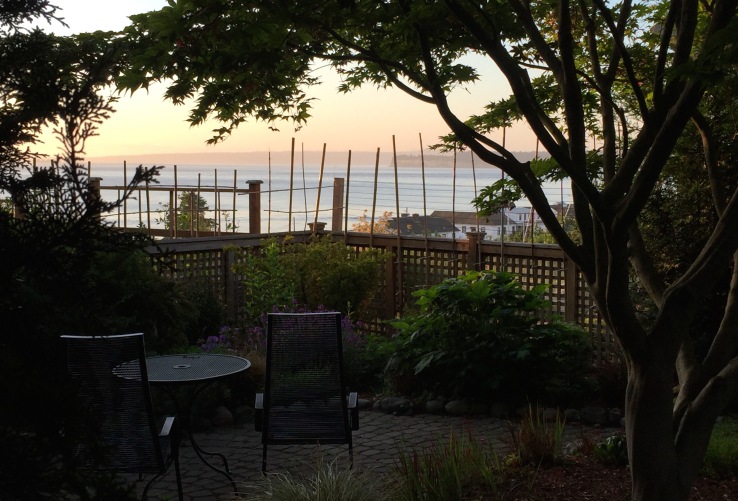
In the meantime, here are a few glimpses of our new home:


Next up: Our older son recommended Ice, which was my final read of 2017. I’m giving equal time to our younger son, whose Christmas gift to us was Let My People Go Surfing by Yvon Chouinard. It’s a tremendously inspiring book (even though I have no interest in starting a business), my first read of 2018, originally meant to be a manual for Patagonia employees. I know that sounds boring, but it’s not. It’s been translated into ten language. A new edition was published in 2016.

Happy New Year to all, and let me know what you’re reading!
 I am not a practicing enemy of the people, but as an undergraduate, my minor area of study was how to be an enemy of the people. I liked it so much I studied it in grad school, too. I have a brother whose previous job at a major newspaper was to help oversee the printing of work by enemies of the people for distribution to an entire city. When I was a librarian, my colleagues and I taught how to tell the difference between authentic enemies of the people and fake enemies of the people.
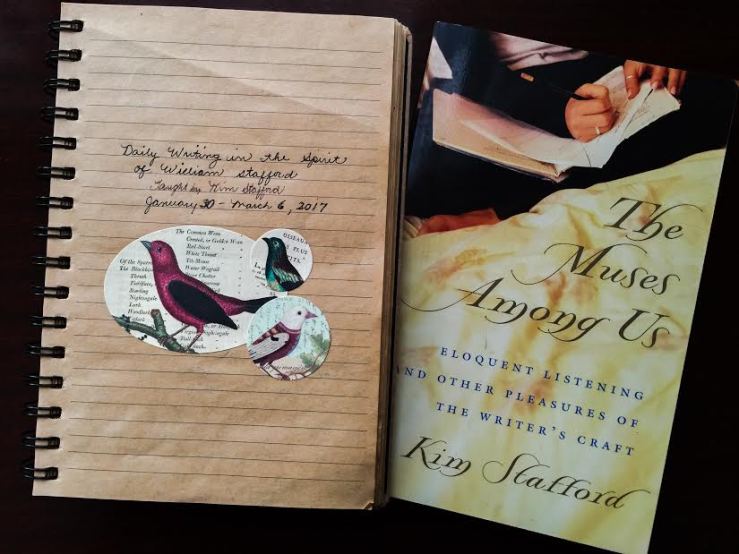
 He had an early morning writing practice, and he never missed a day. Kim Stafford introduced us to his father’s writing process, gleaned from the stacks of journals William Stafford left behind. Kim encouraged us to relax into our writing, to be seekers as William Stafford was, to experiment and explore.

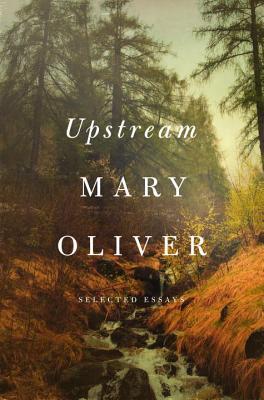 “The most regretful people on earth are those who felt the call to creative work, who felt their own creative power restive and uprising, and gave to it neither power nor time.” Upstream, by Mary Oliver

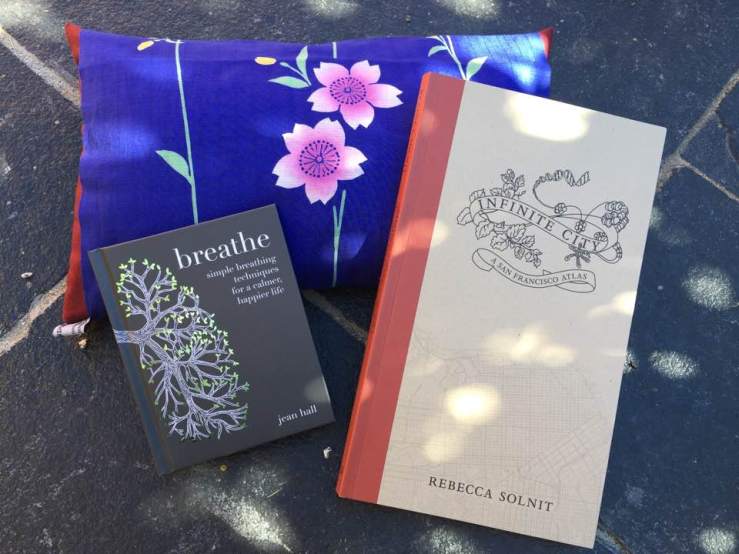


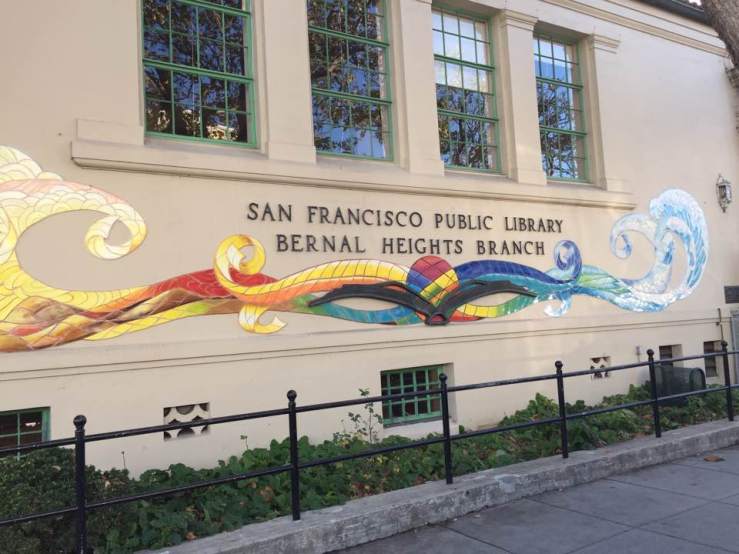


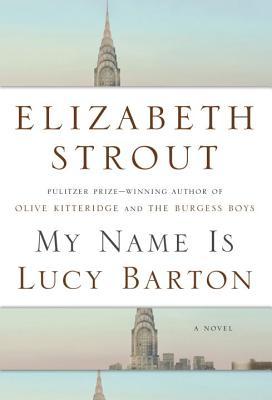
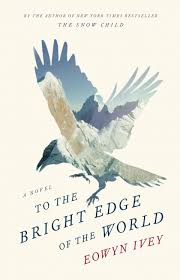
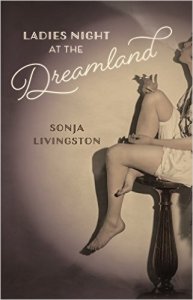 What have you read this summer that you love? Let us know by leaving a comment via the link in the left sidebar.
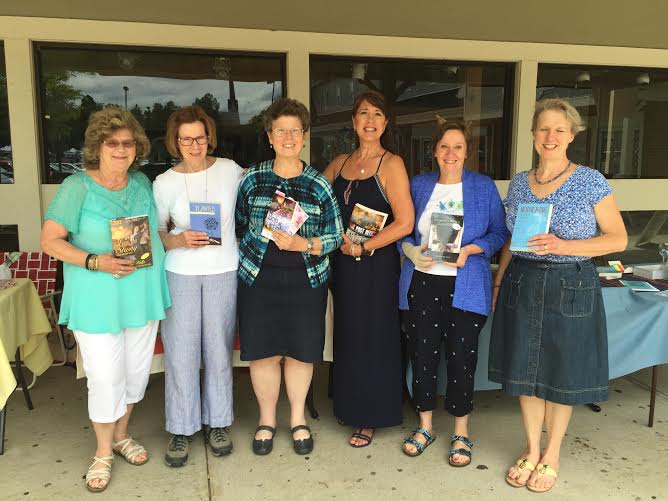 Left to right: Bev Lewis (writing as Beverly Wells); Kate Collier (writing as Katie O’Boyle & C.T. Collier); Ellen Hegarty (writing as Roz Murphy); Kim Cruise; Elizabeth Osta; Liz O’Toole
 “I usually write long historical romance–mostly set in western America in the 1800’s, but I will also have a Medieval anthology coming out in the fall/winter and a civil war novel in the future, as well as a Canadian Mounted Police novel. I’ve also been included in anthologies and novellas.
 “I started writing as a form of catharsis made necessary by having to watch my son suffer through drug addiction. You see, books save lives in the writing, as well as in the reading of them.
 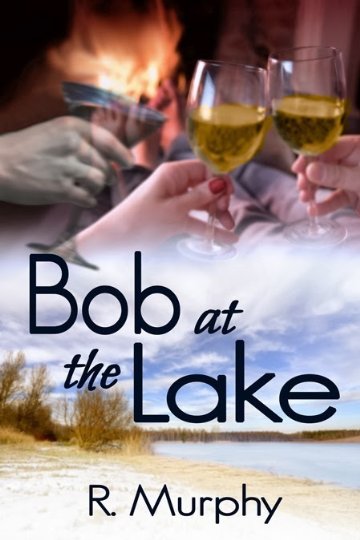 Roz Murphy’s Bob books [
 “In January 2012, my sister and brother-in-law invited me to celebrate the 90th birthday of a dear friend on the porch of
  And just published:
  At the height of the Irish famine of the 1840s, in a small town of Ahadallane, north of Cork City and south of Mallow, Jeremiah joins the rebels in the fight for Ireland’s freedom from British rule and learns firsthand the futility of violence. He and his best friend and brother-in-law, Father Michael Riordan disagree about the means to the end and ultimately take diverse paths when Michael is assigned to a parish in America.
 Mothering: An Art of the Heart is a collection of short and engaging stories that celebrate family life, told by nine moms who want to share the wisdom and experience they gained in the process of raising their children. Each story highlights a specific idea or activity that may be used by the readers to enhance their families’ experience as their children grow.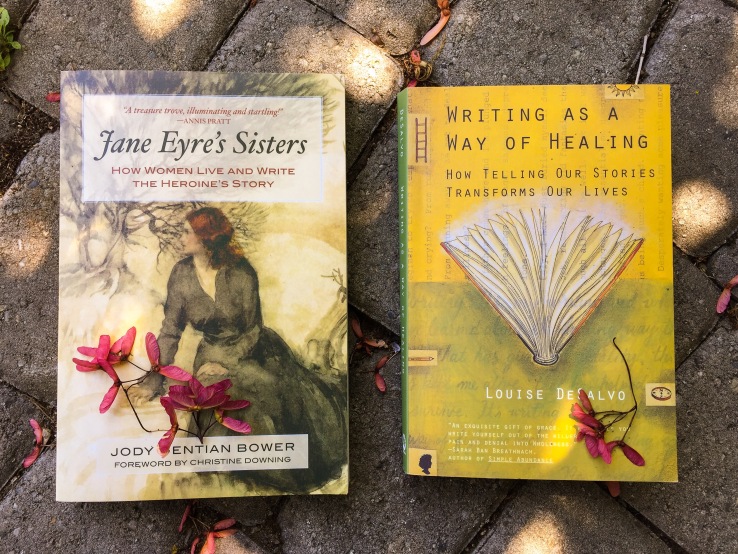


 about her novel
 I remember those three-hour sessions every Tuesday evening, all of us crowded around a large conference table in an undersized room. Usually, two people were in the hot seat: the writer whose essay we were critiquing, and the student moderator leading the critique.
 Books Can Save A Life