 “I turned left after the bridge over the Snake and headed east along the trail country. The basalt cliffs along the river gleamed in the sunlight, and the austerity of landscape reminded me of the austerity of mission.
Journey is all, and we did it, we made it, we got there. We had followed the Platte to the Sweetwater, the Sweetwater to South Pass, and then we slid the wagon down Dempsey Ridge to the indescribable beauty along the Bear. Broken wheels and a thousand miles of fences couldn’t stop us.
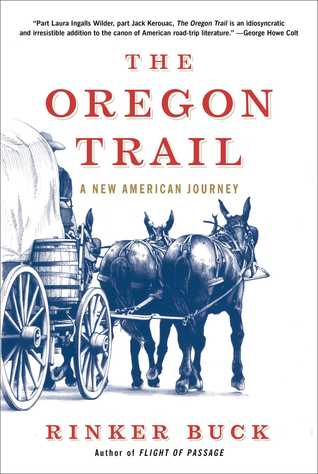
The impossible is doable as long as you have a great brother and good trail friends. Uncertainty is all. Crazyass passion is the staple of life and persistence its nourishing force. Without them, you cannot cross the trail.” The Oregon Trail: A New American Journey, by Rinker Buck
Things have been mighty serious here on the blog the past few months, so it’s time for a book that is guaranteed to make you feel good, satisfy your armchair travel cravings, and restore your faith in humanity. The Oregon Trail: A New American Journey by Rinker Buck is a perfect delight, especially if you love American history, travel, nature, a dash of memoir, and immersive, challenging expeditions.
Rinker Buck, a former reporter for the Hartford Courant, and his brother, Nick, crossed the 2,000-mile Oregon Trail in a covered wagon a couple of years ago, along with Nick’s dog, Olive Oyl, and a team of three mules: Jake, Beck and Bute.
They probably wouldn’t have made it if they hadn’t been experienced drivers of mule and horse teams. Even given their expertise, wagon transport presented scary and nearly insurmountable challenges along sometimes very hostile terrain. I don’t have a technical bent, so I wouldn’t have thought I’d be fascinated by the interpersonal dynamics between three mules and their drivers or the intricacies of harnesses and wagon paraphernalia. But Rinker Buck is an excellent writer, and he conveys beautifully how you have to get these important details right for such an undertaking, and the disasters that can happen if they go wrong.
Rinker Buck is funny and self-effacing, too. He gives just enough personal and family history to explain why two guys well past middle age might be inspired to take on the Oregon Trail. There are at least three levels of story braided together: Rinker and Nick’s personal, psychic journeys; the challenges and unexpected blessings of the landscape and people they met along the way; and vivid historical portraits of the colorful trailblazers who pioneered the trail in the mid 1800s.
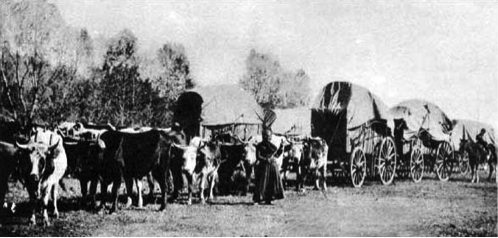
I was especially taken with the story of Narcissa and Marcus Whitman, an upstate New York couple who were among the first pioneers to successfully maneuver the trail. Narcissa was a missionary and Marcus a doctor. Both wanted to head west, and they married essentially for convenience and companionship so they could travel together.
Along the way, Narcissa fell in love with Marcus, and she wrote eloquent letters to family describing their adventures. Narcissa gave permission for the letters to be published in the local newspaper, and soon her latest installments were being read by people across the country. Readers were mesmerized, and the Whitman success inspired the great wave of pioneers who came after.
The Oregon Trail is a great read if you like a blend of travel, history, nature and adventure, and Rinker Buck is a wise, funny, unsentimental writer who doesn’t take himself too seriously.
If you have similar “epic journey” books to recommend I’d love to hear about them in the comments.
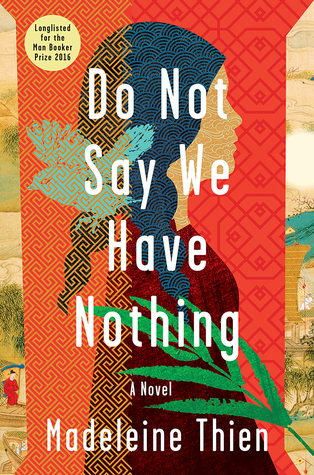 “Sparrow, she slowly pieced together, had been one of Shanghai’s most renowned composers. But after the Conservatory was shut down in 1966 and all five hundred of its pianos destroyed, Sparrow worked in a factory making wooden crates, then wire, and then radios, for two decades. Ai-ming heard him humming fragments of music when he thought no one was listening. Eventually she came to understand that these fragments were all that remained of his own symphonies, quartets and other musical works. The written copies had been destroyed.”


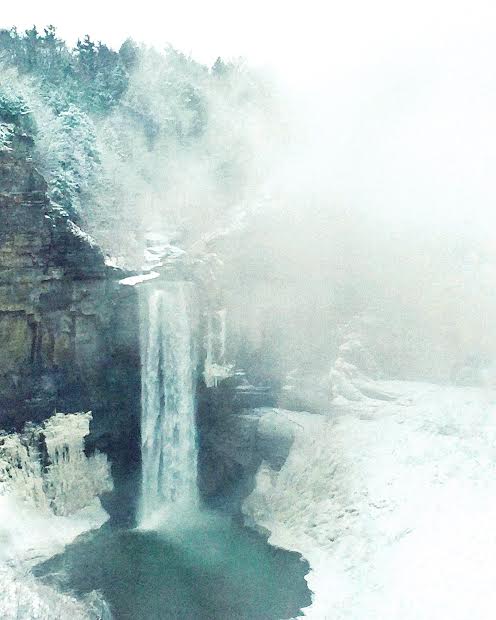
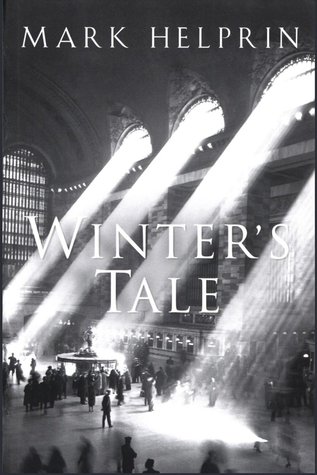 Before he left, Ronn made a point of spending some time with each of us. He wanted to introduce me to the founder of one of Rochester’s ad agencies, so we drove there one afternoon. On the way, we talked about
  “Please take care of yourselves (and I don’t mean that as a pseudo-parent statement.) Remember to honor yourselves. I know what it’s like to be a developer or producer. The crap can be overwhelming. And not all clients can recognize your talents.

 #1
#1  #1
#1  #1
#1 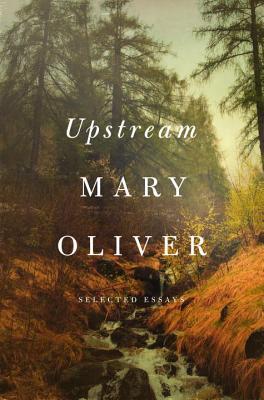 “The most regretful people on earth are those who felt the call to creative work, who felt their own creative power restive and uprising, and gave to it neither power nor time.” Upstream, by Mary Oliver

 “She never got Royal to tell her about the men and women who made the underground railroad. The ones who excavated a million tons of rock and dirt, toiled in the belly of the earth for the deliverance of slaves like her. Who stood with all those other souls who took runaways into their homes, fed them, carried them north on their backs, died for them. The station masters and conductors and sympathizers. Who are you after you finish something this magnificent – in constructing it you have also journeyed through it, to the other side. On one end there was who you were before you went underground, and on the other end a new person steps out into the light. The up-top world must be so ordinary compared to the miracle beneath, the miracle you made with your sweat and blood. The secret triumph you keep in your heart. – Colson Whitehead, The Underground Railroad
 “Maybe life is just carrying news. Surviving to carry the news. Maybe we have just one message, and it is delivered to us when we are born and we are never sure what it says; it may have nothing to do with us personally but it must be carried by hand through a life, all the way, and at the end handed over, sealed.” – Paulette Jiles, News of the World